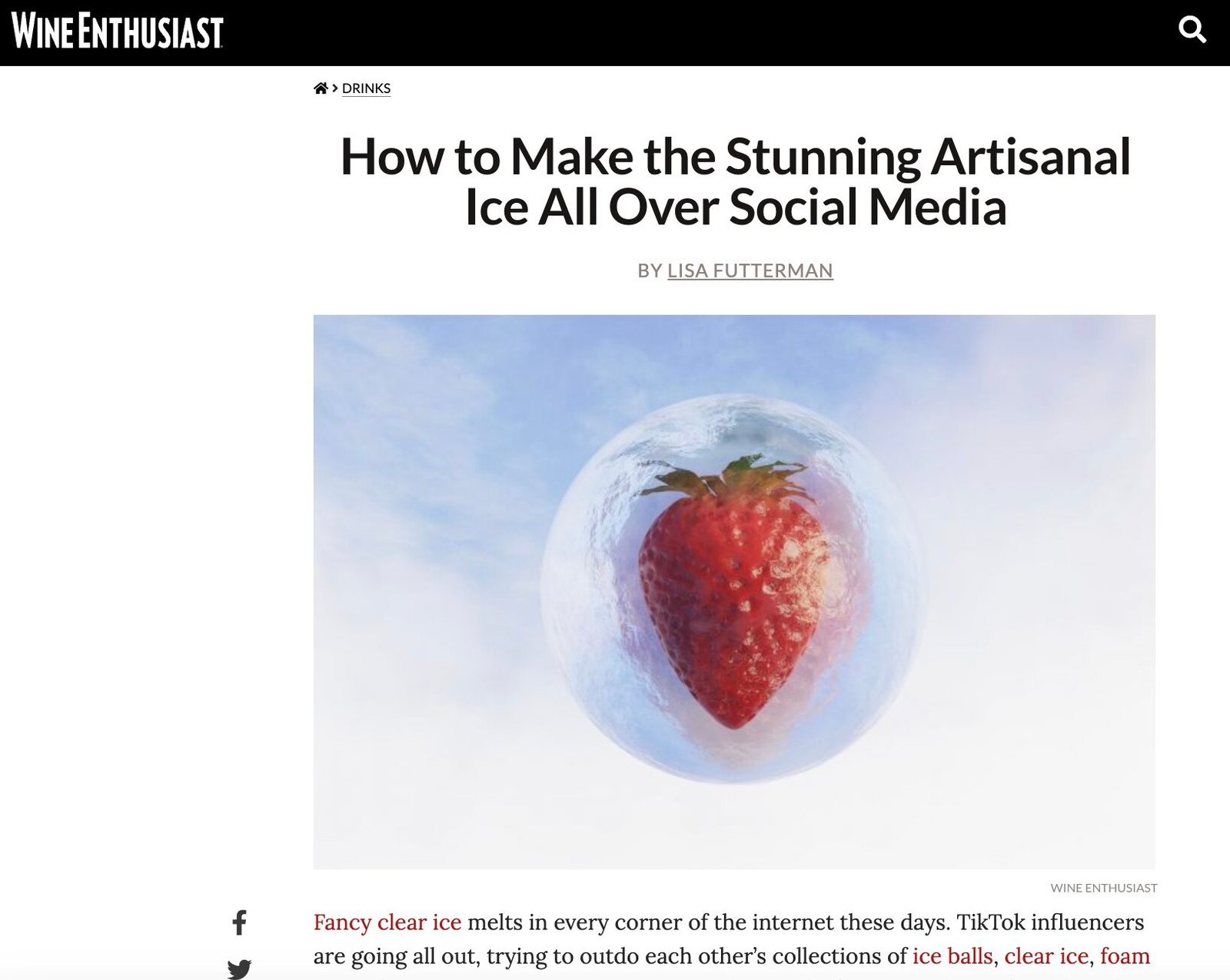
This Wall Street Journal article features both The Ice Book by me, and Ice: From Mixed Drinks to Skating Rinks–a Cool History of a Hot Commodity by Amy Brady.
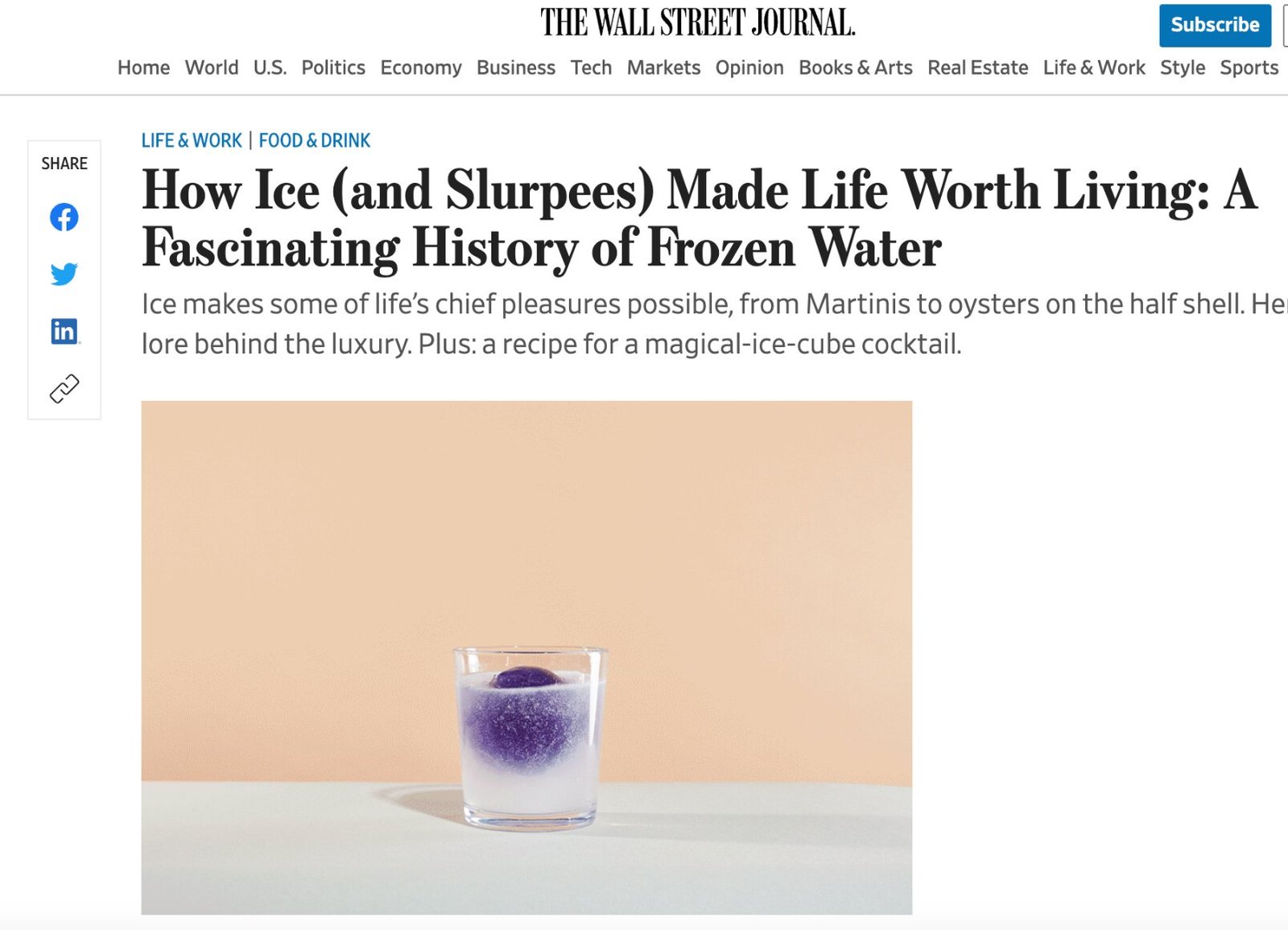
This Wall Street Journal article features both The Ice Book by me, and Ice: From Mixed Drinks to Skating Rinks–a Cool History of a Hot Commodity by Amy Brady.
Writer Lisa Futterman interviewed me for this article on how to make fancy ice cubes for Wine Enthusiast.
After the New York Times quoted me for this story:
The Height of Domestic Luxury? Designer Ice.
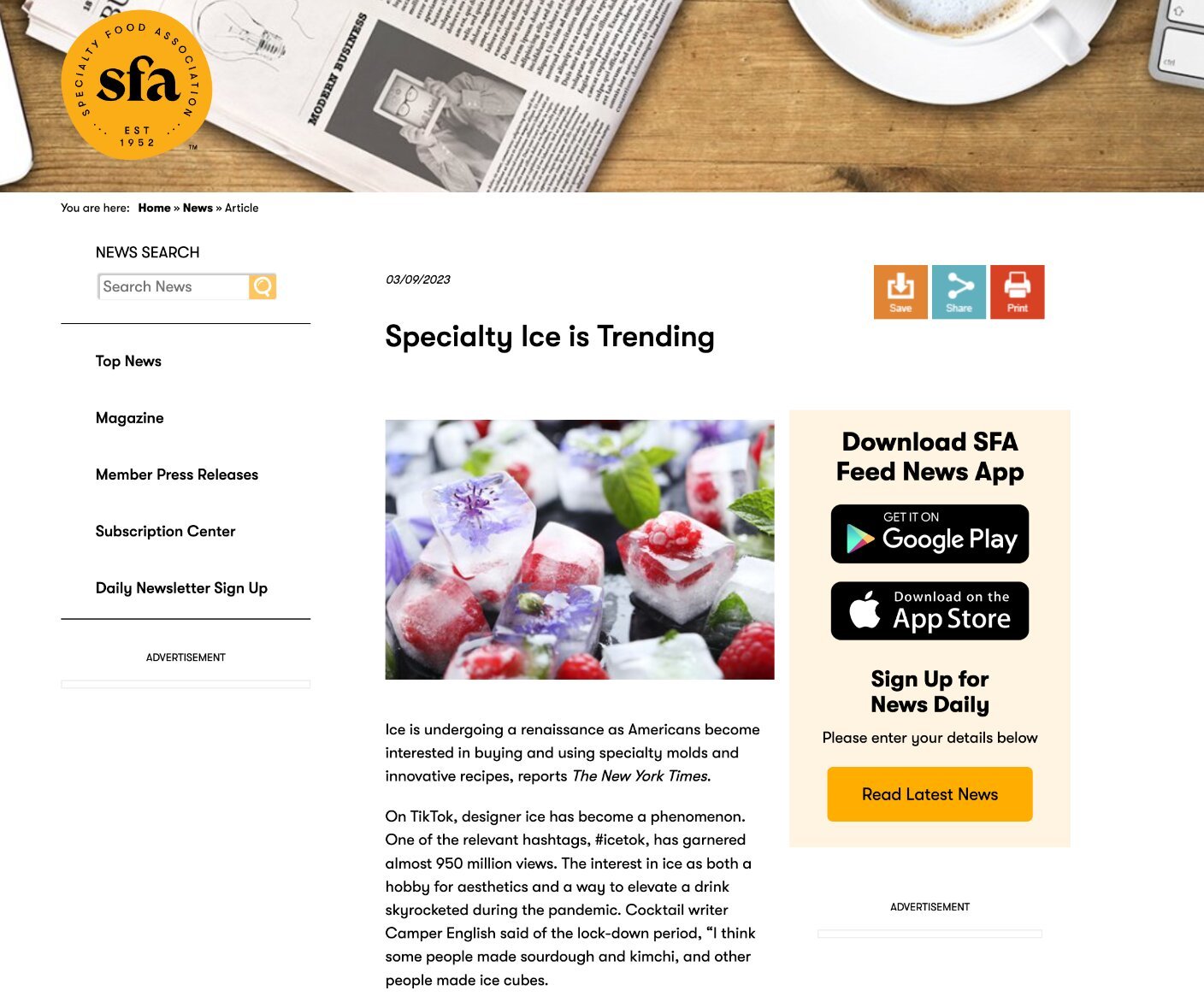
A few other publications have picked up the beat. The Specialty Food Association (they put on the Fancy Food Show) published this piece Specialty Ice is Trending.
And Deseret News published an explainer called Here’s everything you need to know about the designer ice trend you see on TikTok.
I probably wouldn't have noticed but both these stories quoted me and my Google news alert picked it up.
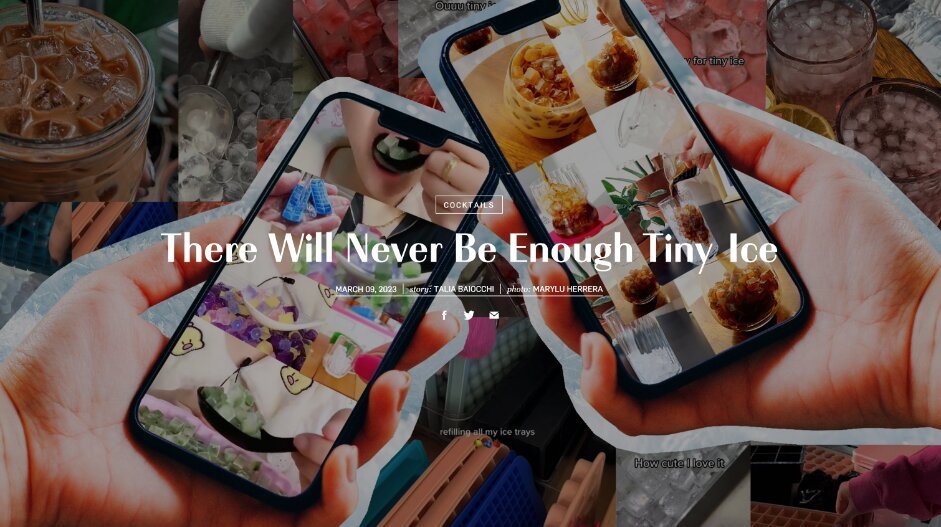
Punch editor-in-chief Talia Baiocchi writes about another ice trend on TikTok, that of teeny tiny ice cubes.
It's a fun story and she asked me to share my thoughts.

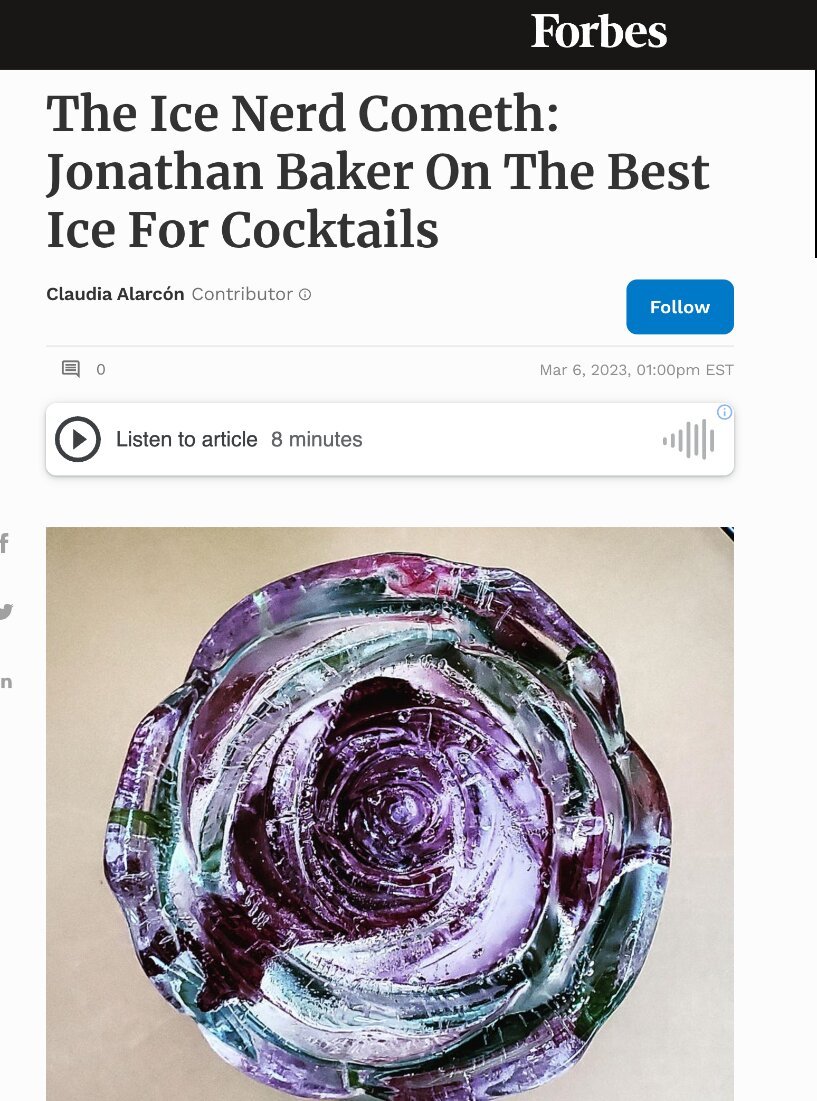
In an interview on Forbes.com with fellow ice nerd Jonathan Baker of Portland, Maine, I get a shout-out as the originator of the directional freezing system.
The article is interesting all around and the pictures, taken by Baker, are great. You can see more on his Instagram account here.

This is a quick post on some books I've read on women distilling in olden times.
Distillation of spirits came out of medical alchemy (which is to say medical proto-science), and early alchemy books included lots of recipes for distilled medicines with stuff like gold and silver included in them. Some of these alchemy books were written by and for women, such as the best known Secrets of Isabella Cortese.
A very scholarly look from an alchemy/scientific practice perspective is found in Daughters of Alchemy: Women and Scientific Culture in Early Modern Italy. It mentions distilled medicines that often resemble pure alchemical preparations.

Those women alchemists were noblewomen, who could afford the stills and other equipment and often a staff to operate them. But as we move into the 1600s and look at other noblewomen in Germany, we find the distilled medicines looking more like medicine (nonsensical as much of it was) rather than alchemy.
Noblewomen (as well as monks and nuns) in the Later Middle Ages/Early Modern Period made beneficial medicines to give as charity to surrounding villagers. Keep in mind that the nobles and monks were landowners, so keeping their tenants alive longer increased their own wealth. The book to read about this time period is Panaceia's Daughters: Noblewomen as Healers in Early Modern Germany.

As we move into the 1700s we find women authoring household books aka recipe books. These books always had a practical aspect to them for running a household (as opposed to books solely on distillation, all written by men, which were solely distilled herbal medicine recipes). The women's books would include information like food preservation techniques along with distilled medicines.
These books have fun names, like:
• The Country Housewife and Lady's Director in the Management of a House, and the Delights and Profits of a Farm Containing Instructions for managing the Brew-House, and Malt-Liquors in the Cellar; the making of Wines of all sorts (1728)
• The Ladies Directory in Choice Experiments and Curiosities of Preserving (1662)
• The Accomlisht Ladys Delight (1684)
• The Queene-Like Closet (1681)
• The Compleat Housewife (1727)
There are some books about these recipe books, but looking more closely at distillation we find Every Home a Distillery: Alcohol, Gender, and Technology in the Colonial Chesapeake. This book is a bit more accessible than the previous two. The author shows that in young America in the Chesapeake area people were more isolated and their technology and social structures closer to those of the previous century. So in the 1600s and 1700s we find more women distilling in the home (or rather, estate) and look at what they used distilled alcohol for and how they made or bought it.

I touch on some of this in Doctors and Distillers, and if you want to go down this rabbit hole I'd recommend reading it first to put a lot of this stuff in context.

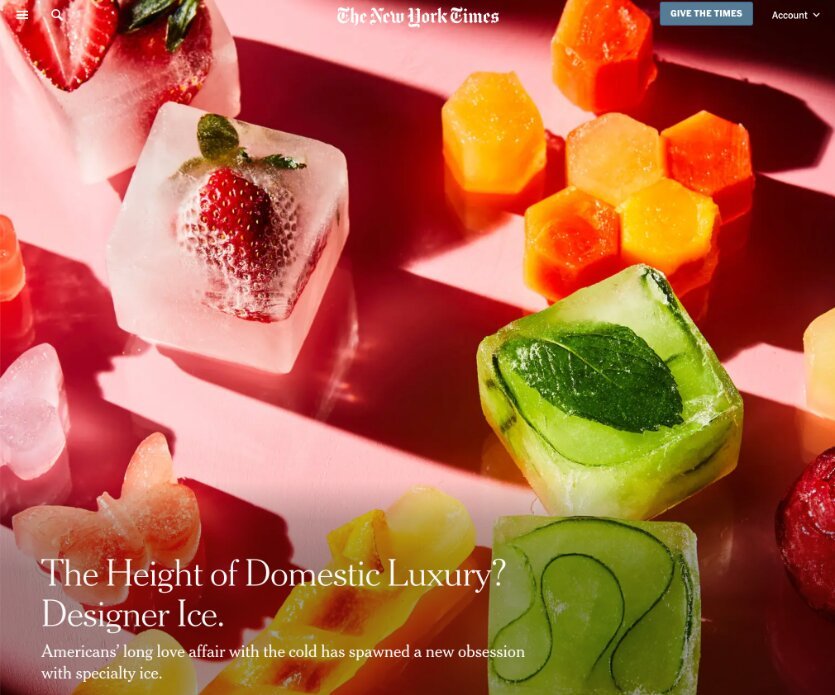
I'm quoted in this article about fancy ice cubes in the New York Times.
The Height of Domestic Luxury? Designer Ice.

Join me in my obsession, preorder The Ice Book today!
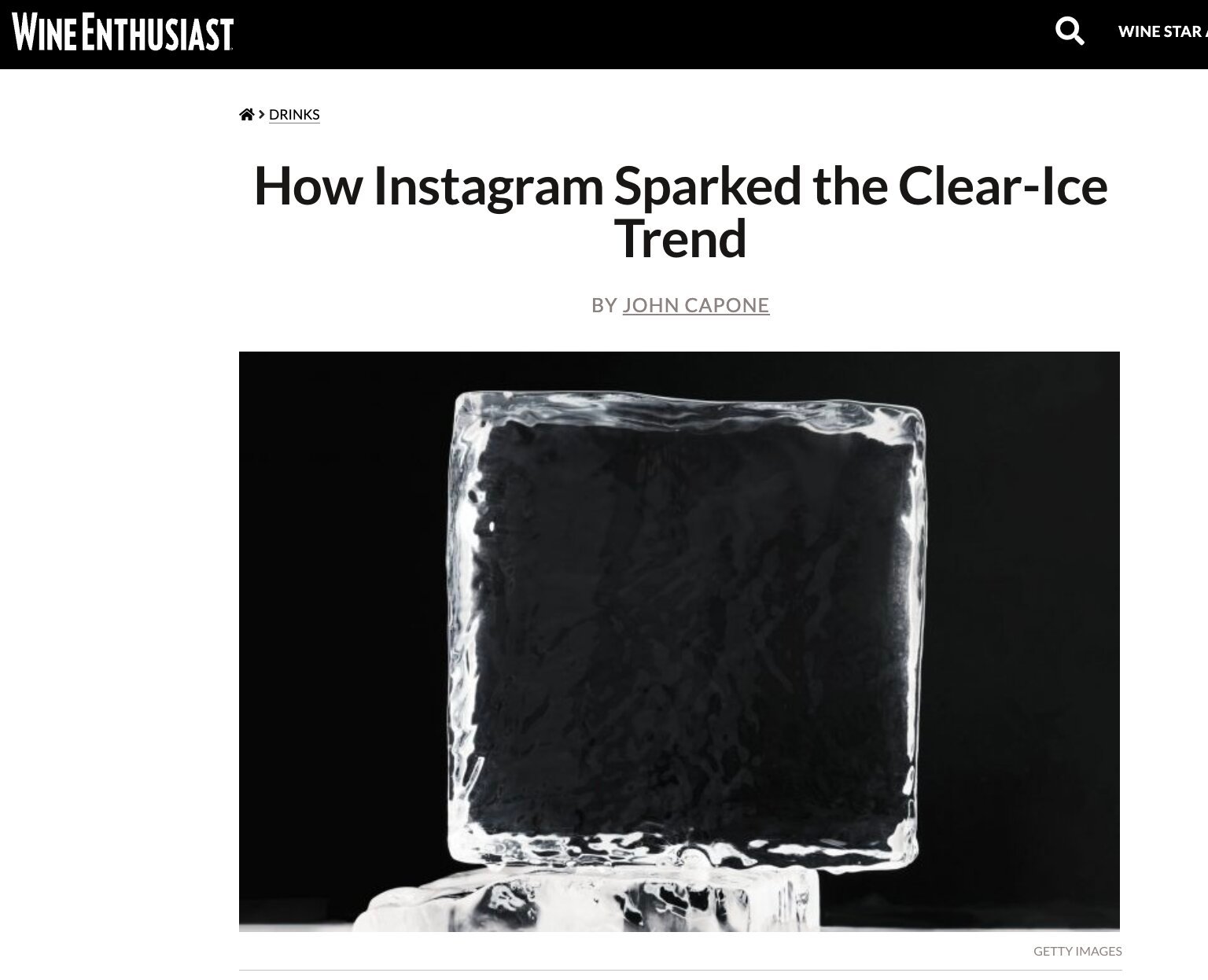
In the February issue of Wine Enthusiast magazine, I was quoted on one page about the medicinal history of sparkling water and my book Doctors and Distillers was cited.
On the next page, my forthcoming The Ice Book was cited and I provided quotes for a story on ice. That story just went up online and you can read it here.
That's pretty awesome, IMO!
I've been working on methods to more easily produce huge 3" or so cubes that I can then use to carve into ice diamonds or put into an ice ball press to make spheres.
Previously I was trying out inserting dividers into the cooler to make the ice blocks and this works pretty well. But recently I've returned to one of the earliest clear ice hacks that I first tried in 2010! I purchased plastic boxes that are sold both at The Container Store and TAP Plastics and used them as ice cube trays. The original post is here.
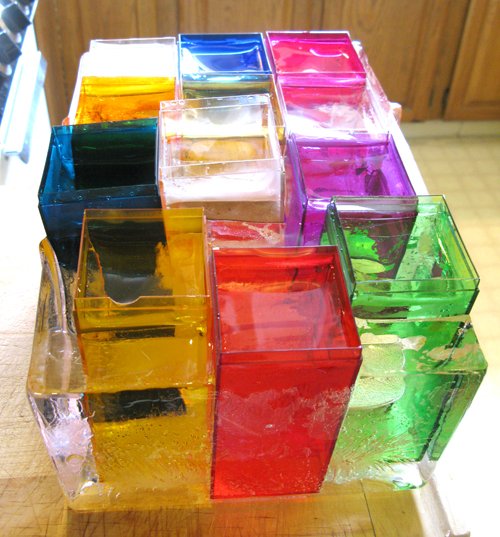
For these new experiments, I purchased larger square boxes, and drilled holes in the bottom of them. This maximized the clarity of the ice made in the boxes.
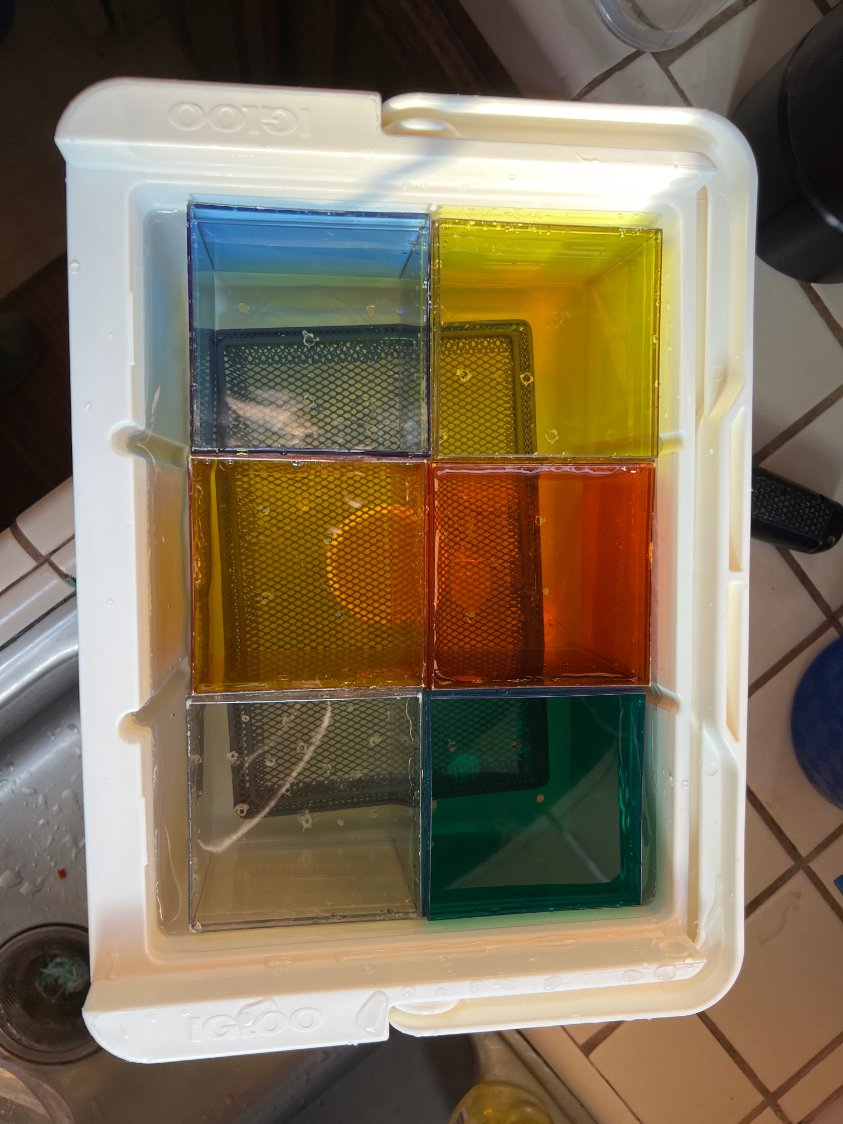
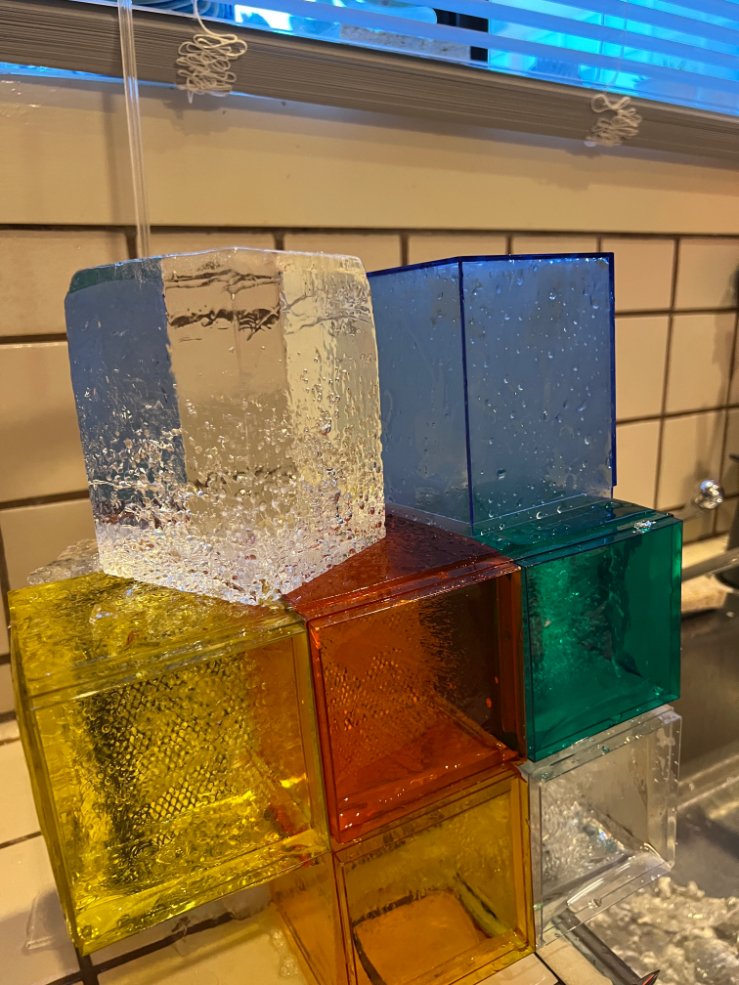
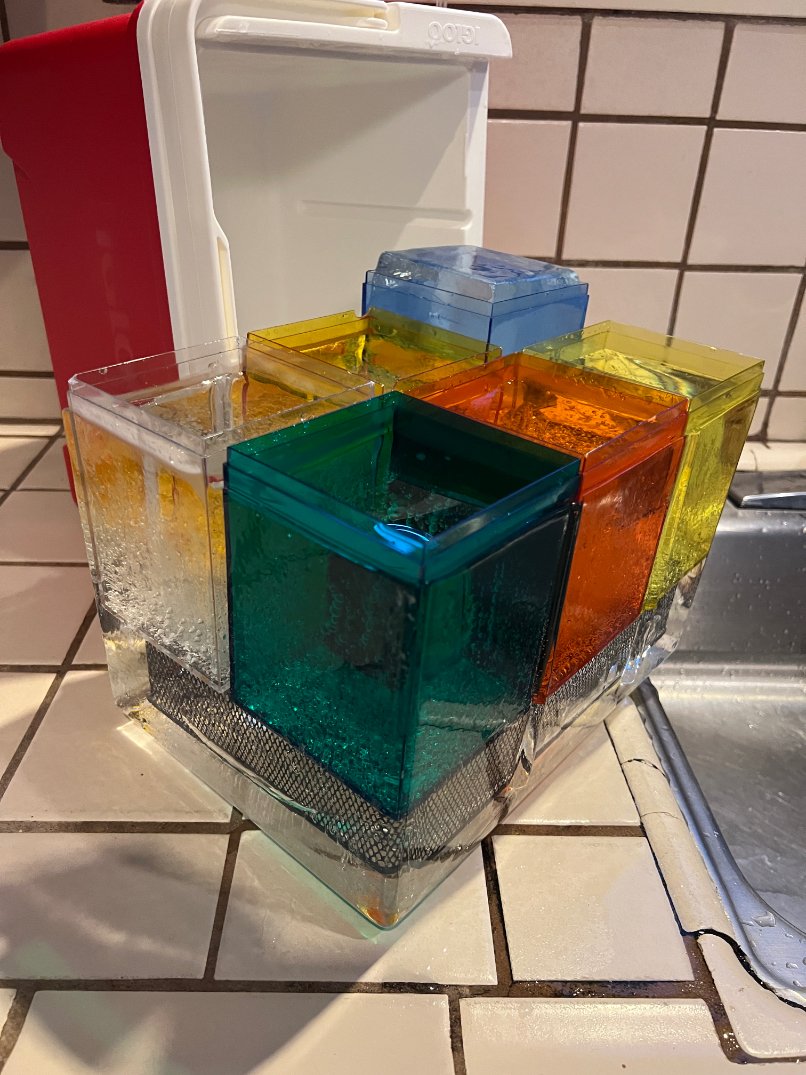
In this round, I set the boxes atop a riser, so that the cloudy part of the ice that forms would be below the plastic boxes. In the picture below, the gray thing is the riser (a silverware drawer organizer) and the cubes were set atop it. This is the whole block after dumping it out of the cooler.
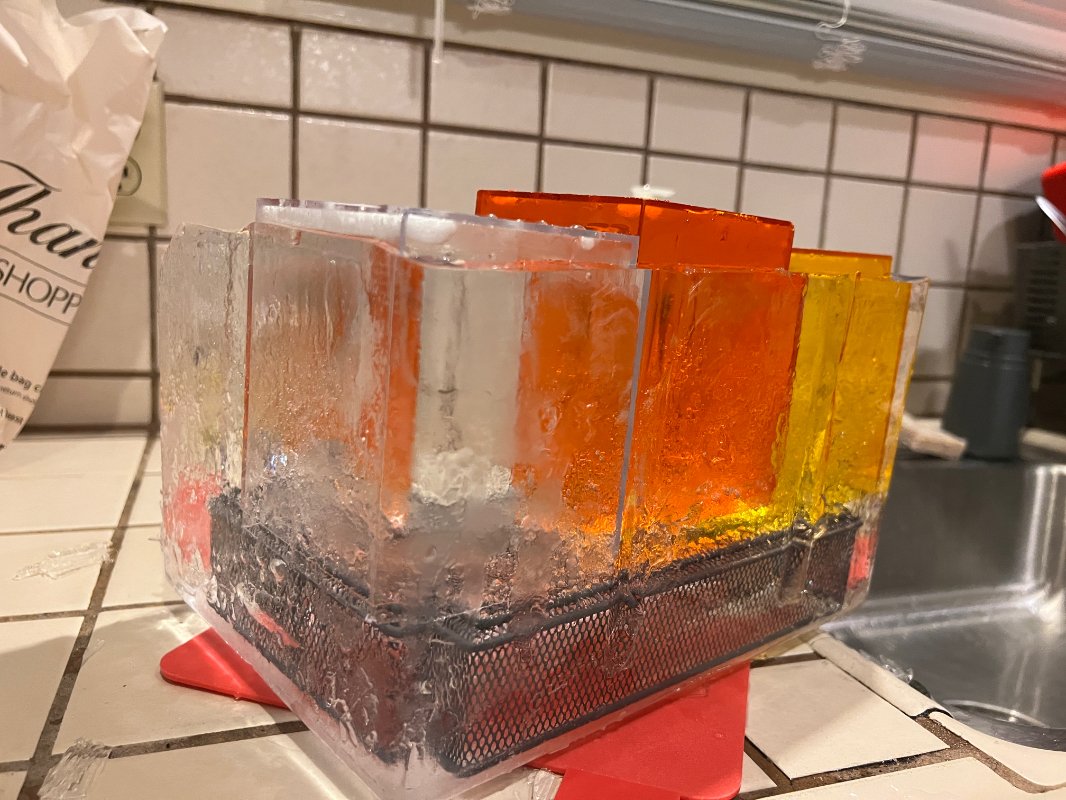
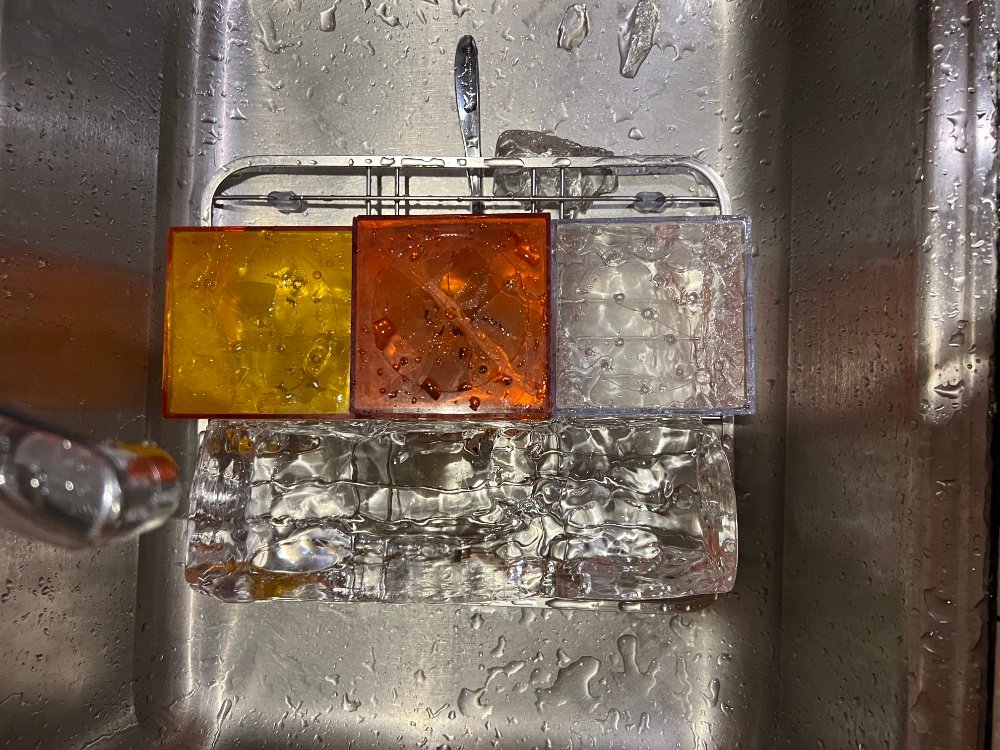
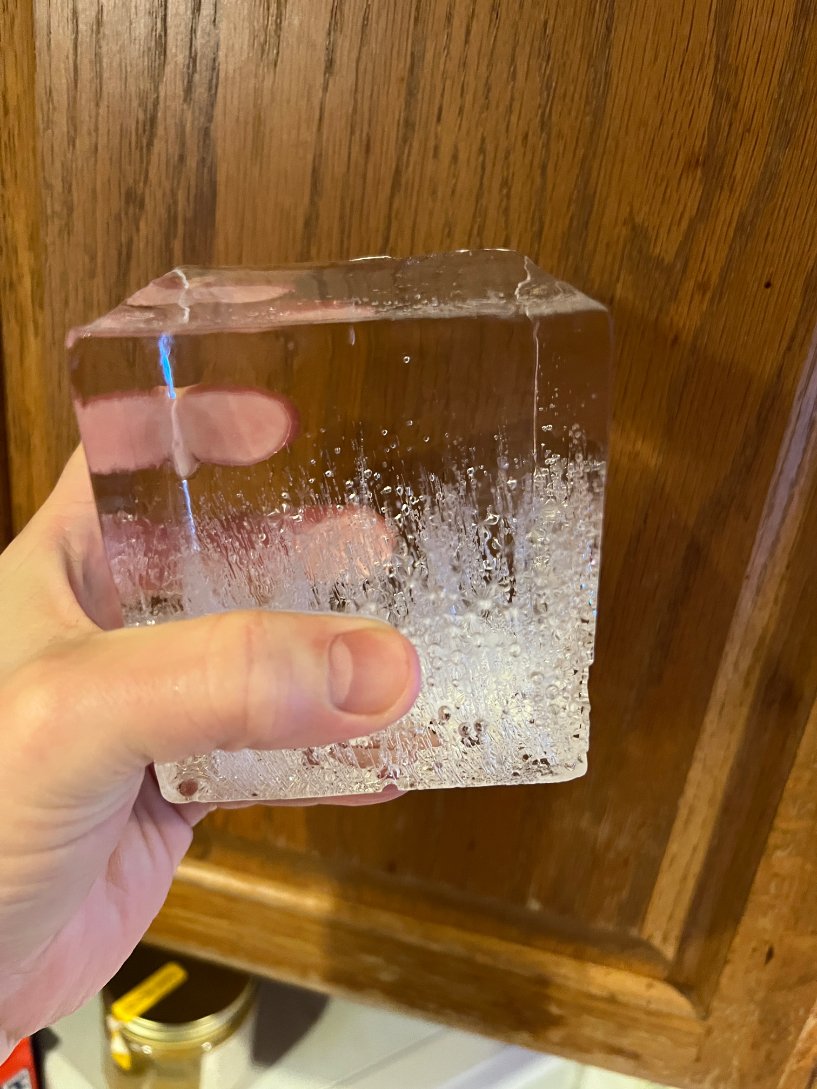
You can see a finished giant cube in this picture below.
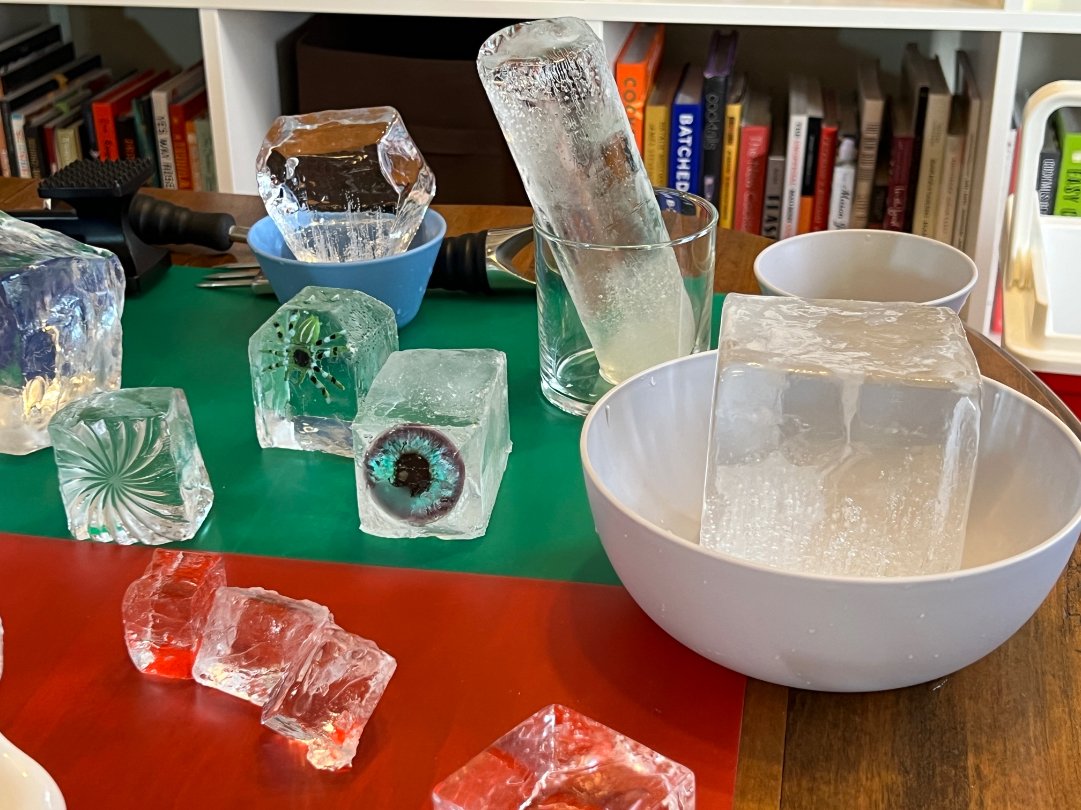
I think that one may even be a four-inch cube, which is bigger than I need it. But the three-inch ones made for easy ice spheres in the press and I'm getting better at carving ice diamonds too.
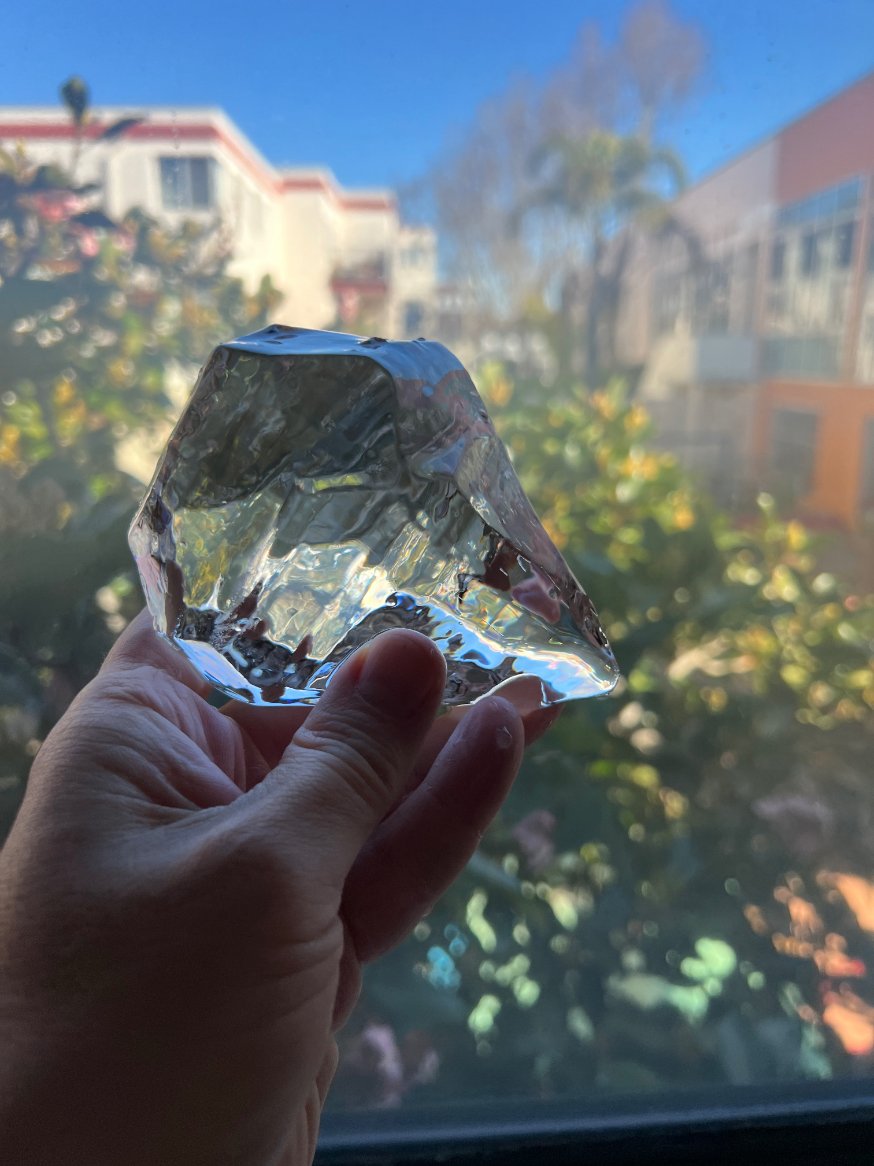
There's a fun slow-motion video of this ice diamond here.
Going forward, I may use these boxes but I'm going to try to fill the whole cooler with them or make them more efficient somehow.
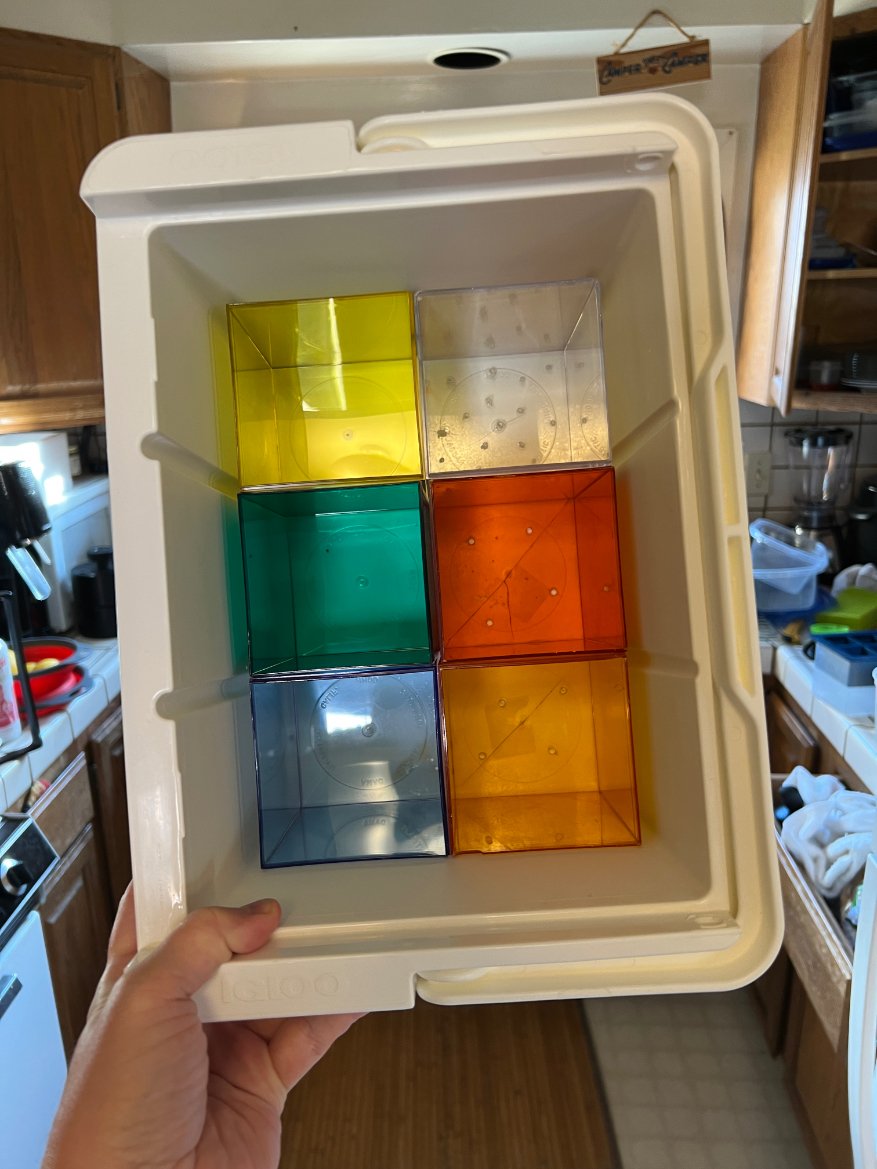
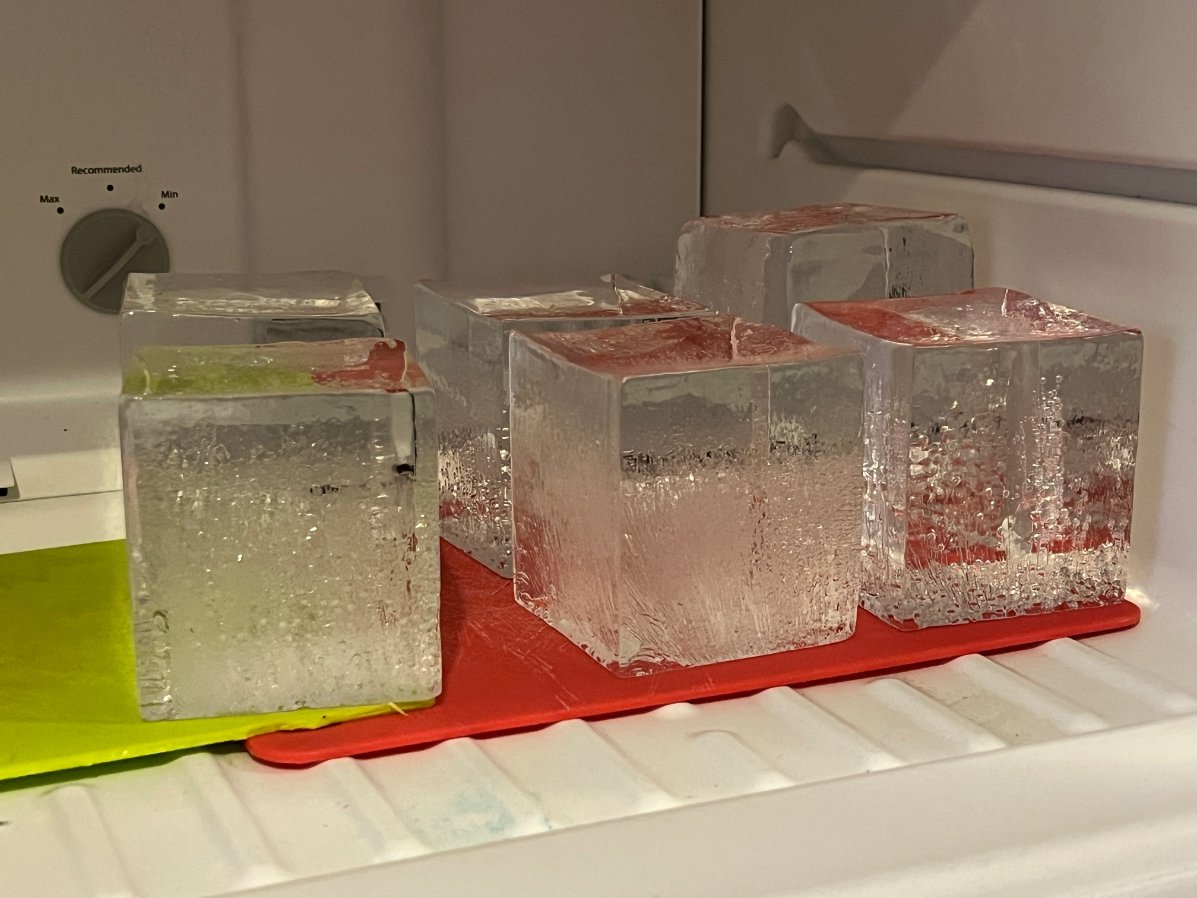
Update: I bought more boxes and it turns out that 6 boxes fit exactly into my cooler.
The boxes measure 3 7/16" x 3 7/16" x 6 5/16" tall (box M103 here)
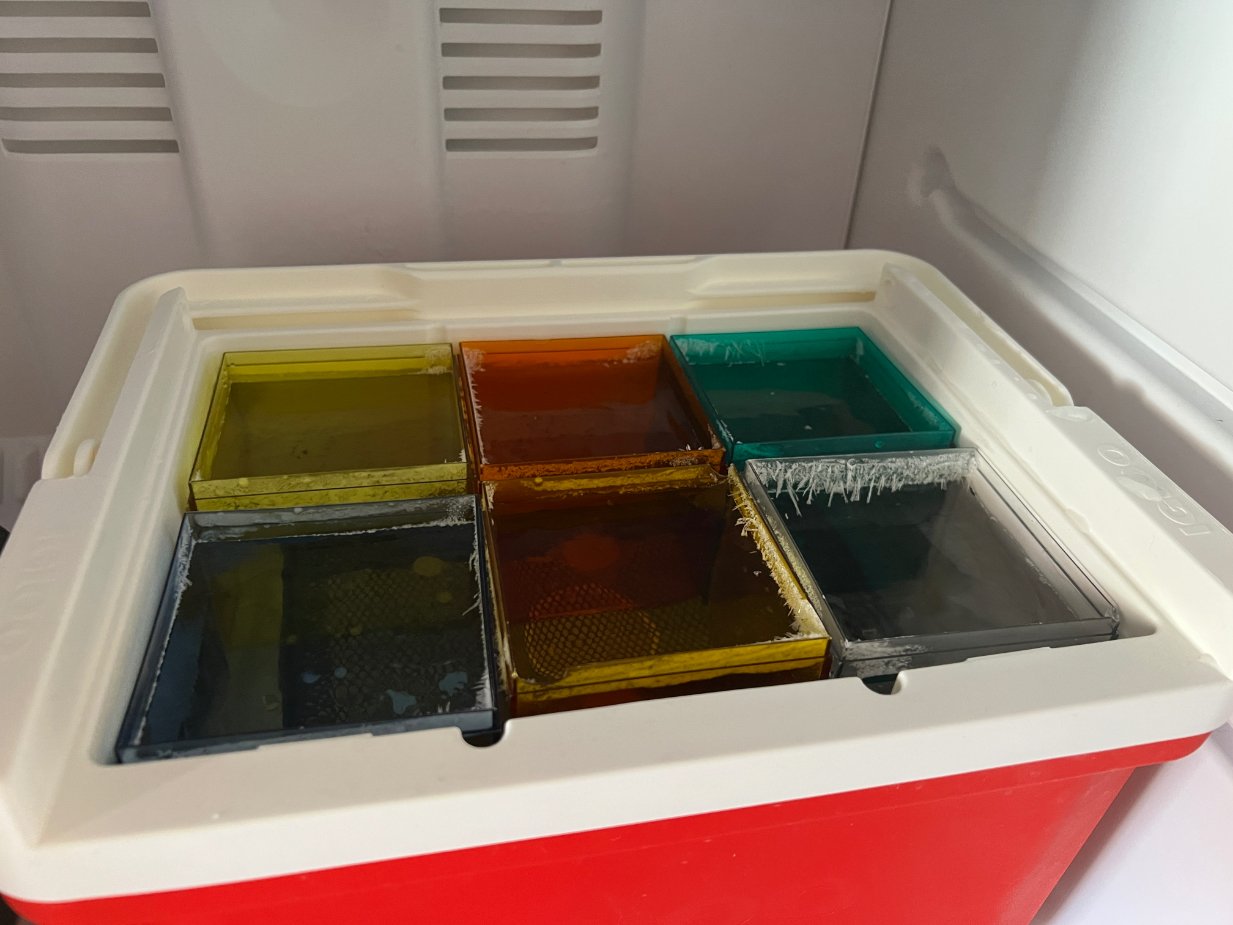
I drilled holes in the bottom and set them on a riser in my cooler. The ice came out cloudier than I want it. I don't think I jostled the cooler too much while it was freezing so I'm not sure if I just need more holes in the bottom or if maybe my riser is too fine a mesh.
Really what I should try is cutting the bottoms off these boxes entirely, but they're hard to cut.
In any case, here is what it looks like:
Here's an interesting problem and solution: James Hogarth reached out to me to describe the following. He is using water filtered with a Zero Water filter in a clear ice system. This filter removes all the major dissolved solids in the water, and it comes with a little TDS meter to verify it. But the supposed-to-be-clear ice that comes out from this water has streaks remaining, but regular tap water doesn't.
My tap water has a terrible taste, however, when I freeze tap water [in the Wintersmith’s Phantom] it does freeze perfectly clear. The bad news is that if I then thaw the water it still retains a bad taste. It is improved but still not good.
Curiously, the ZeroWater filter comes with a Total Dissolved Solids meter, and while not the most sophisticated meter in the world, it reads around 110-120 on tap water and perfect 0 for the thawed water.
So right now I either get great tasting ice with air bubble streaks, or perfectly clear ice that tastes terrible.
Even distilled water gave me streaks of air bubbles. My freezer was always right around 0 degrees, and multiple different molds, no mater what, boiled or not, still got streaks.
He theorized that his water was actually freezing too fast without salt and other minerals in it that would naturally slow the rate of freezing.
So to test the theory, he tried adding table salt to TDS 0 water – and it was successful! He added a concentrated salt solution to the rest of the water to try to bring it around 135 ppm before freezing.
I know that ice crystals will push out salt molecules as the ice crystalline structure does not have room for it. Freezing water is one method for desalination of sea water for this reason, it just isn’t very energy efficient.
The melted ice tastes just as good as the filtered water. From the top half [the clear part], the meter reads 6 and the bottom half 163.
So after a few more batches of ice, and a few bottles of whiskey, it seems that around 140-180 ppm of table salt in the ZeroWater is ideal. I get crystal clear ice, and when I melt the ice and test it, it’s usually 6ppm salt or less.
We knew that freezing water pushes the trapped air and impurities (including the minerals) to the last part of ice to freeze. What's interesting here is that at least in this case, the presence of "impurities" while freezing seems to improve the clarity of the ice, and we can theorize that is because they slow the rate of freezing.
Hogarth later tried other minerals, including mineral drops that are sold to supposedly make water healthier. He found they acted in much the same way, concentrating in the cloudy part of the ice.
Trace Mineral Drops: starting at 204 ppm, melts to 23 ppm. So something is clearly less filtered from directional freezing than salt or calcium chloride. Both of which could be as high as 240-250 ppm and the melted ice would be around 6ppm. I don’t have the tools to tell you what it is though.
So I'll leave this at that. To replicate it, I (or better yet, you) could try freezing two identical quantities of water in identically-shaped insulated trays: one with TDS 0 and one with some dissolved solids.
This might not be an issue if your freezer temperature is higher and closer to the freezing point, but most freezers have maximum temperatures much lower than that for food safety.