Author: Camper English

  • Ice Advice: Will My Clear Ice Turn Cloudy When Stored in the Freezer?

    One question I've seen asked here on Alcademics and on other websites is whether clear ice will turn cloudy when stored. The answer is no, it will not.

    Ice is cloudy because of trapped air and impurities like minerals, along with any cracks that make it hard to see through. Once it's made, it pretty much stays as it is. It may absorb smells and sublimate/shrink if not kept in a closed container in the freezer, but that won't impact clarity.

    If your ice starts out clear (from a machine or by using a form of directional freezing) it will remain so. 

    If you have a partially frozen ice cube that looks incredibly clear however, it will likely become cloudy when the center finally freezes. This is because the last part of ice to freeze is usually where trapped air and impurities are pushed. 

    Clear Ice Block from Alcademics.com


    To read all the ice posts here on Alcademics, check out the Index of Ice Experiments.  


  • Ice Advice: The Right Way to Store Ice in the Freezer

    Ice in the freezer can absorb smells from both the freezer and the refrigerator, to the surprise of many people. Ice can also sublimate (evaporate) and shrink fairly quickly. So you can either place your ice in a sealed bag/container, and/or do the same with your food.

    In my fridge/freezer situation, I don't leave any food unwrapped so that the ice never absorbs food smells. I used to stick leftover pizza in the box in the fridge and by the next morning my ice would taste ever so slightly of it, so now I put the pizza in a Tupperware-type container. There doesn't seem to be any problem with uncooked vegetables stored in there (not smelly onions or garlic or anything), but cooked food is problematic. 

    For ice that you're going to be storing, I recommend either Ziplock style sealed bags or Tupperware-style containers. Those keep it sealed from sublimating and from absorbing smells. Easy. 

    If you want to see just how permeable ice is, add a drop of food coloring on top of a big block and watch how it flows into the cube along invisible cracks. 


    Ziplock

    image from Ziplock.com


    To read all the ice posts here on Alcademics, check out the Index of Ice Experiments 


  • Audience Feedback on Camper’s Tales of the Cocktail Seminar

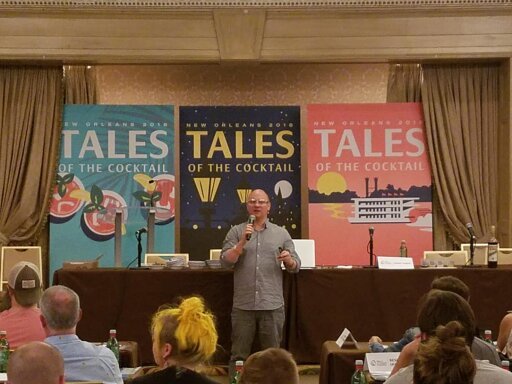
    Tales seminarA few months after this year's Tales of the Cocktail, I received the feedback from my seminar Bitter Flavors, Taste the Rainbow. I did pretty good! 

    On the four categories: overall seminar, presenter quality, handouts quality, and amount learned, I received a rating of 9 out of 10 on all.  

    Positive comments that came in from attendees: 

    • Camper and his presentation were very interesting – he is clearly a subject matter expert. Made me want to explore this theme more! One of the highlights of tales for me!
    • So amazing! We were so impressed not only with the style of the presentation but the content. The format. Everything. Amazing.
    • This seminar could not have been better unless it was 3 hours long. Camper’s personality & teaching style is an honor to be around. More bitters & more Camper!!
    • Very interesting tasting seminar. Super bar-nerdy which is a good thing. Very informative about the safety and taste of the ingredients in bitters.
    • My favourite seminar!
    • I’ve watched 2 or 3 of his other seminars. Funny, engaging. He did a lot of pre-work and clearrrrrly knows the in and out. Some of these presenters have 10+ years of only doing one thing, it seems he has actually done so much. Excited to see his presentation next year(s)!
    • Awesome job covering a difficult and complex subject.


    Of the negative feedback, most was that I covered too much material (always better than too little, my greatest fear is that people will complain they didn't learn anything), or that the pace was too fast/topic was too advanced for some people (same). One person was mad about the font size of my handout. Two people said some of the slides were hard to read, so that's something I'll work on for next year. 

    Feedback is always tough but luckily I had a ton of very positive responses to compensate for the negative ones. Go me. 


  • Historical Info About Scurvy and the Confusion Between Lemons and Limes

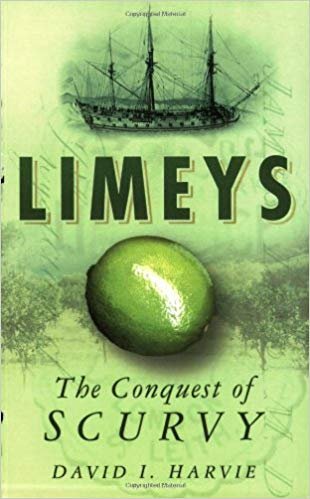
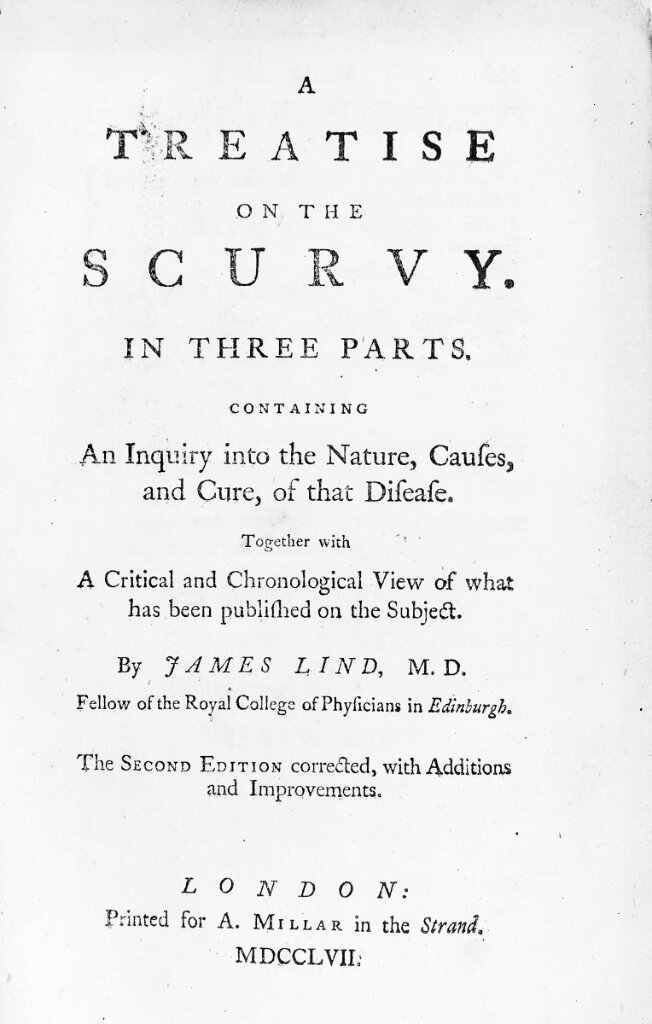
    Limeys BookI recently (yesterday) finished reading the 2002 book Limeys: The Conquest of Scurvy by David I Harvie. The book isn't really about the global history of scurvy but focuses on one surgeon, the scot James Lind, who was the first person to really prove the efficacy of citrus juice as a treatment in 1747. However, his suggestions of provisioning British Royal Navy fleet with juice weren't officially implemented for another 50 years. 

    But I'm here to talk about lemons and limes. You know how today we have a standard definition of the fruit and the differences between them, but those definitions have changed over the years? How we use Persian limes today but Key limes were used in cocktails in the past, and how in some old cocktail books the differences between lemons and limes isn't always clear? 

    Turns out that's not a new problem. When citrus was first being recommended as a cure (and later as a preventative) for scurvy, doctors like Lind most often recommended the juice or oranges and lemons. Oranges never took off, and the juice of lemons was often called lime juice. 

    Actual lime juice from limes started becoming the more popular option after 1800, thanks in part to the relative ease of sourcing West Indian limes. British sailors were first being referred to as "lime-juicers" and it was Americans who shortened the expression to "limeys," according to the book. 

    Sailors often associated scurvy cures with acidity, which makes good sense and is not far from the truth. Other cures brought aboard ships included acidic food and beverages including vinegar and sauerkraut. It wasn't until 1918 that it was proven that citric acid itself is useless against scurvy (and I assume vinegar's acetic acid too), and shortly thereafter that the newly-identified Vitamin C was the anti-scorubic needed. 

    James Lind ScurvySo here's the thing: 

    Orange have more Vitamin C than lemons, which have about 40% more Vitamin C than limes. (Though the acidity of these citrus fruits is in the opposite order.) If that lime juice was stored in a barrel or came into contact with copper or cooked to reduce it (which was usually the case until the invention of Rose's Lime Juice Cordial), the Vitamin C would degrade even further, becoming nearly useless against scurvy.  

    The initial confusion over the definition of limes, and the later decision to switch from lemons to limes, proved fairly disastrous to the British. Incidents of scurvy in the Navy crept up again and new false medial theories with other problematic solutions came back into vogue. 


  • Spiders and Insect Ice Balls for Halloween

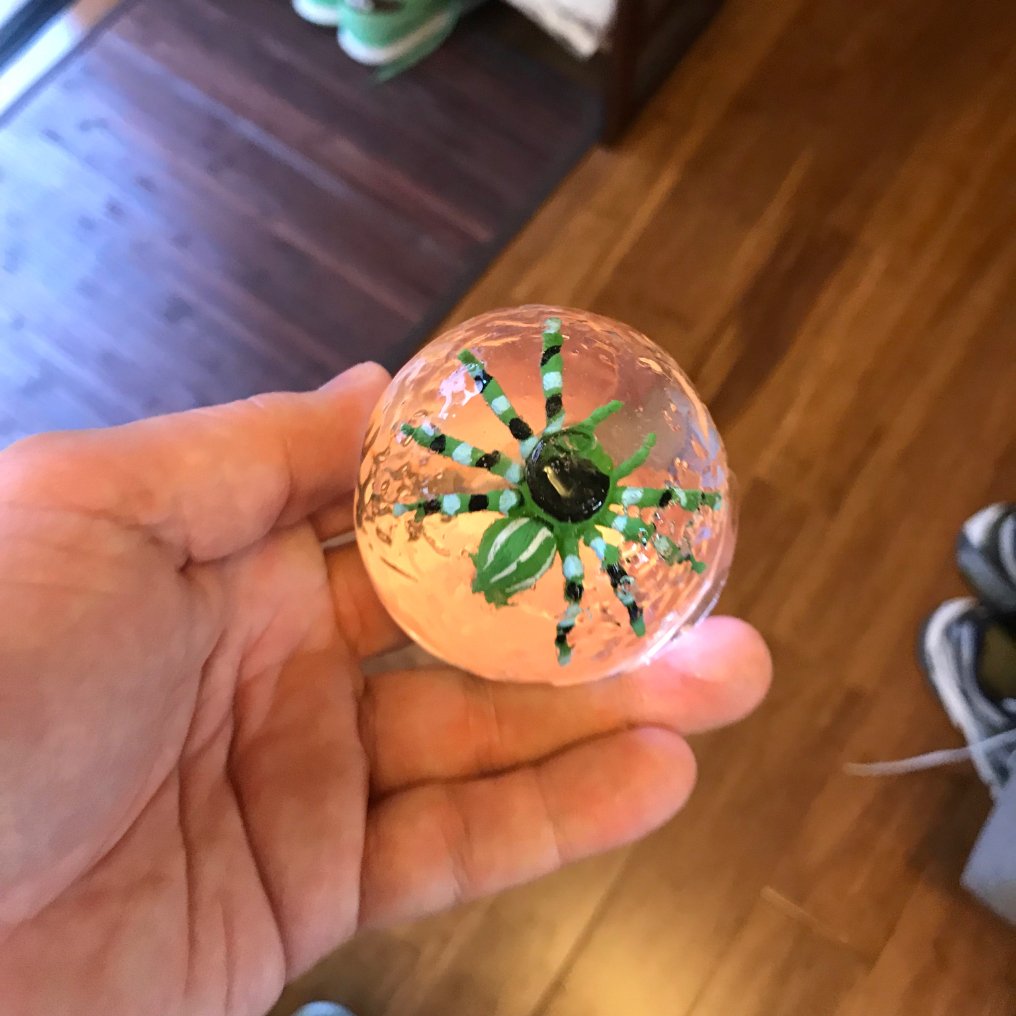
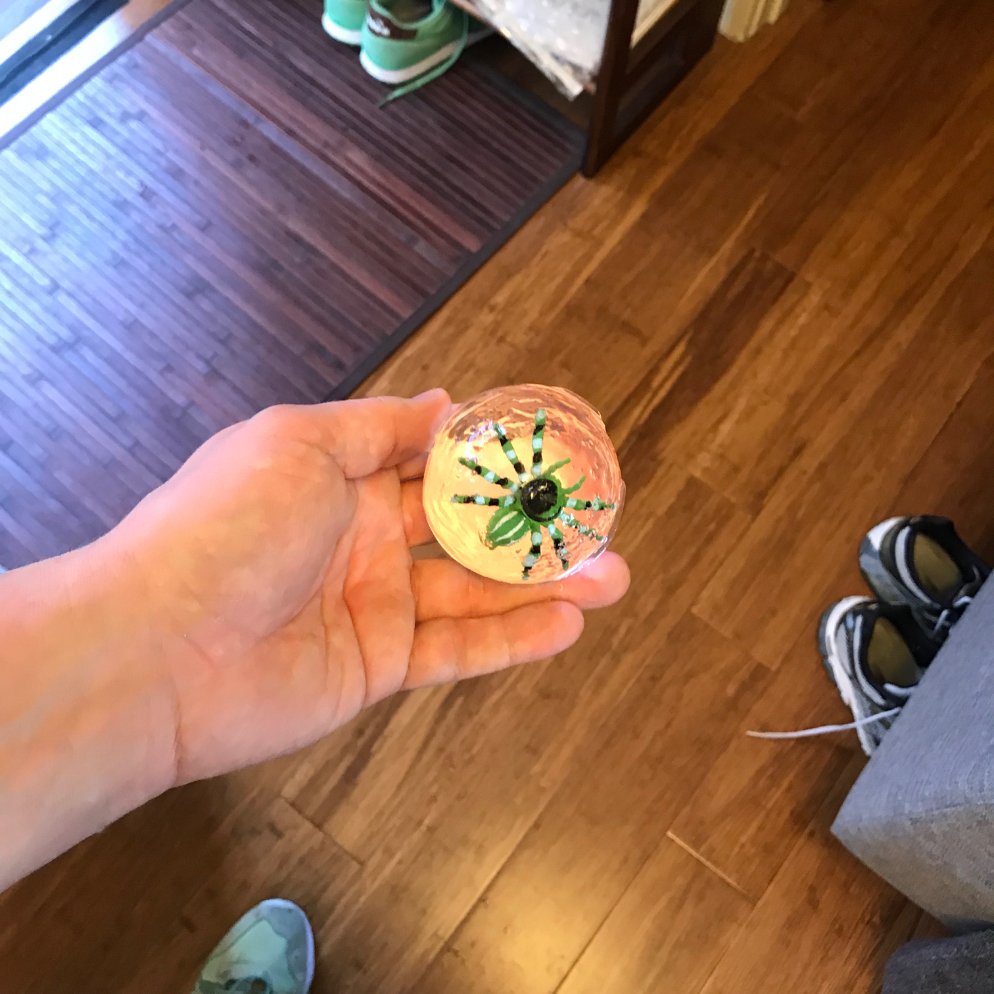
    I'm a sucker for an ice gimmick, so with Halloween approaching I made some clear ice balls with insects from the dollar store frozen inside. 

    As usual, I used the method revealed here on Alcademics, using a Thermos Funtainer and 2.5 inch ice ball molds upside-down. Read about how to do that here

    The plastic insects I bought from the dollar store, made in China, so they're most definitely not approved for food use. I'll serve them to myself but don't recommend non-food-safe products at a bar. (Given that I'm freezing rather than heating them, a thorough wash is good enough for me at home.)

    So, here they are:

    IMG_2402

    IMG_2308

    A fly in a clear ice ball.

    IMG_2369

    IMG_2350
    IMG_2350
    IMG_2350

  • Genepy Liqueur Versus Artemisia Genepi

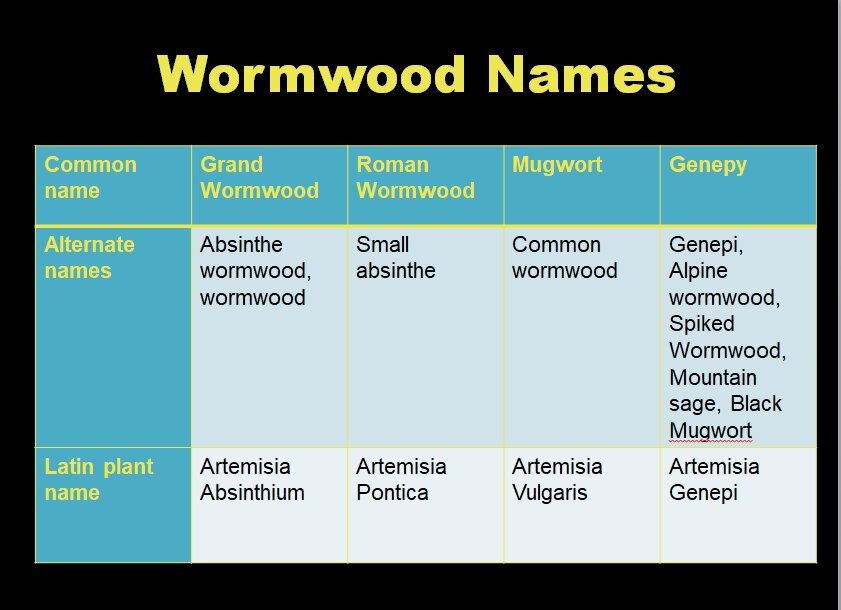
    WormwoodsWhen I was studying the various types of wormwood used in spirits earlier this year, I got a bit confused about Genepy/Genepi. All wormwood is a member of the artemisia genus. 

    • Artemisia Absinthium = Grand Wormwood; used in absinthe
    • Artemisia Pontica = Roman Wormwood; small absinthe; often used in vermouths
    • Artemisia Vulgaris = Common Wormwood; mugwort; used in Herbsaint, vermouth, and other products
    • Artemisia Genepi = Genepi, used in Genepy liqueurs

    After laying that out, I came to learn that there is a difference between artemisia genepi and genepy liqueurs, thanks in large part to Stephen Gould of Golden Moon Distillery. He makes a genepi called Ex Gratia

    According to Gould and supporting evidence from elsewhere on the internet, Genepy liqueurs can be made from not just artemisia genepi, but basically any artemisia that's not grand wormwood; often several of them mixed together. Gould clarified a working definition of genepy liqueur for me in email:

    Any liquor/liqueur made with any member of the artemisia family, except artemisia ab. (Grand wormwood) would be considered a Genepi … the exception being Amaros where the various types of wormwoods are a supporting flavor.

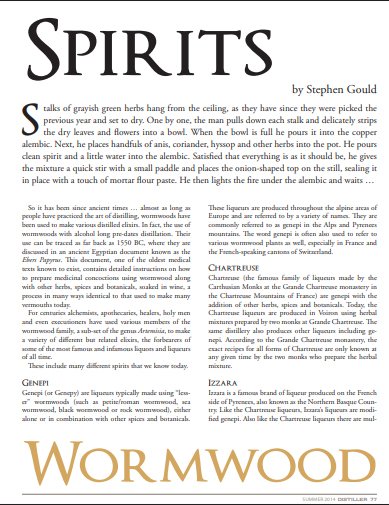
    SpiritsGould also wrote a profile of artemisia species for a 2014 edition of Distiller magazine. It no longer appears to be online (I think they're working on getting the archives up in a readable format so maybe it will return in the future), but he wrote:

    Genepi
    Genepi (or Genepy) are liqueurs typically made using “lesser”
    wormwoods (such as petite/roman wormwood, sea
    wormwood, black wormwood or rock wormwood), either
    alone or in combination with other spices and botanicals.
    These liqueurs are produced throughout the alpine areas of
    Europe and are referred to by a variety of names. They are
    commonly referred to as genepi in the Alps and Pyrenees
    mountains. The word genepi is often also used to refer to
    various wormwood plants as well, especially in France and
    the French-speaking cantons of Switzerland.


    Some of the "lesser" wormwoods include Sea Wormwood – Artemesia Meritima; Rock Wormwood – Artemesia Rupestris; Yellow Genepi –
    Artemisia Umbelliformis; plus the Artemesia Genepi itself.

    Gould also included a recipe for a Genepi from a handwritten distiller's note circa 1800 [excerpt]: 

    Genepi des Alps
    Take of the common and sea wormwood, dried, of each ten
    pounds; of sage, mint, and balm, dried, of each twenty handfuls;
    of the roots of galangal, ginger, calamus aromaticusm and
    elecampane, of the seeds of sweet fennel and coriander, of each
    three ounces; of cinnamon, cloves, and nutmegs, the lesser cardamoms
    and cubebs, of each two ounces. 


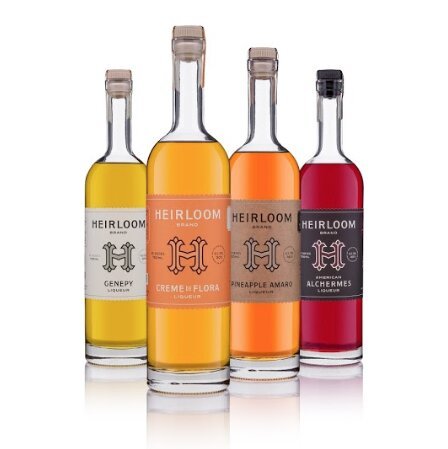
    ImageThe reason that this came up is there is a second American-made genepy coming out. As I posted in New Booze yesterday, the Bittercube folks are releasing a genepy liqueur to the Midwest US this year with a larger launch in 2019. They describe the new product as:

    Heirloom Genepy was developed in the Bittercube apothecary and gathers inspiration from a variety of Artemitis plants, while bridging the gap between robust varieties and more subtle variations. With respect for the category, this modern Genepy was formulated with bright alpine botanicals, and mellowed with honey. 


    Long story short: artemesia genepi may or may not be in genepy liqueurs, which are flavored with non-absinthium artemisia species. It would be fun to compare various genepy liqueurs to see how they're interpreted by these different distillers. 


  • What is Alchermes Liqueur?

    ImageAs I covered on this New Booze blog post, the folks at Bittercube bitters have launched a new line of liqueurs, and one of them is an alchermes. So you may be asking yourself, what the heck is alchermes? 

    Alchermes is an ancient red-colored liqueur with its color derived from kermes insects. The insects are scale insects that eat oak trees. Modern alchermes liqueurs no longer use the kermes insects but the red liqueur is still used to make zuppa inglese and other desserts. 

    I wrote about alchermes for a story I wrote on cochineal (which replaced kermes as the preferred red coloring) for SevenFifty Daily:

    Cochineal is a product of the Americas, but a different set of insects was used to dye fabric as well as one notable drink long before Columbus. Kermes is a coloring that was made from the crushed scale insect Kermes vermilio (and a couple of related bugs), which feeds on the sap of Mediterranean oak trees. The dye was used to color silk, and that silk was infused into a liqueur called alkermes (or alchermes), along with apple juice, rose water, ambergris, gold flakes, crushed pearls, aloe, and other ingredients. This liqueur recipe dates back to at least 800 A.D. when liqueurs and medicine were one and the same.

    Today, versions of alkermes liqueur are still produced, specifically to make the traditional Italian red dessert zuppa inglese. These liqueurs are no longer colored with kermes bugs: Some makers use cochineal; others use artificial coloring. It’s doubtful that any still include crushed pearls and gold flakes. And few, if any, are imported into the U.S.

    So there you have it. I'm not sure if there are any other US-made alchermes liqueurs on the market. As mentioned in the New Booze post, the new Heirloom liqueurs line launches outside of the midwest in 2019. 


  • A Guide to Botanicals Used in Cocchi Aromatized Wines & Vermouths

    I had the pleasure of visiting the winery and distillery for Cocchi in Piedmont, Italy. More on the visit in a later post, but for now I wanted to share a bunch of images I took of botanicals used in the production of their products. 


    Cocchi products


    American readers will be familiar with Cocchi Americano, Cocchi Vermouth di Torino, and their Barolo Chinato. 

    I've been studying a lot of these botanicals lately, and found the write-ups on these from the tasting room to be very good. So I'll just post them here for future reference (yours and mine). Note that there is some good information on a few of these at the Cocchi website

    You might also check out this similar guide I did from a visit to Martini vermouths: A Visual Guide to Herbs Used to Make Vermouth.  

    All of the below images were taken at the Cocchi winery in Italy. 


    IMG_1883
    IMG_1883
    IMG_1883
    IMG_1883
    IMG_1883
    IMG_1883
    IMG_1883
    IMG_1883
    IMG_1883
    IMG_1883

    IMG_1880
    IMG_1880

    IMG_1880
    IMG_1880
    IMG_1886
    IMG_1886
    IMG_1886
    IMG_1886
    IMG_1886
    IMG_1893
    IMG_1893
    IMG_1893
    IMG_1893
    IMG_1893


  • Map of All Distilleries Where Chartreuse Was/Is Made

    I'm doing some research into the history of Chartreuse and learning so much. I'll share some of the info as I continue to gather it. Let's start with this.

    There have been 7 Chartreuse distilleries. The most recent one just opened, and representatives from the US importer, Frederick Wildman, just visited it. 

    Chartreuse map2

    The first distillery didn't actually make the finished Chartreuse product but it was where the monks were given the recipe and probably experimented with it. The second distillery, Le Grand Chartreuse, is the location of the big monastery. 

    • 59db85190cf19Vauvert in Paris

    • Le Grand Chartreuse 

    • Distillery Fourvoirie

    • Distillery Tarrogone in Spain

    • Distillery Marseille

    • Distillery Voiron

    • Distillery Aiguenoire

    On the Google map below, you can click on the legend and see the dates that each distillery operated, and some more information on a few of them. You might have to open it in a separate window to see the legend. 

    For more information about Chartreuse's grand history, the website is here.

    If you can't see the map below, you can access the map directly here.


  • A Belvedere Distillery Visit and Vodka Terroir in the Single Estate Series

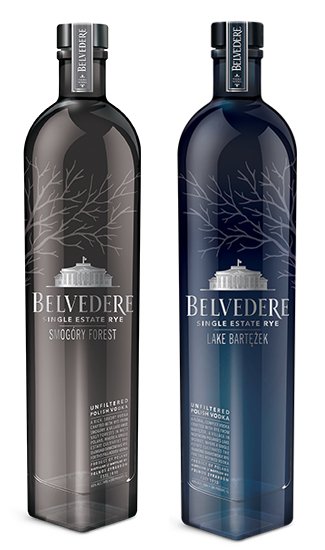
    Single estate seriesIn the summer of 2017 I visited Poland with Belvedere Vodka to see how the vodka is made and to learn about the then-forthcoming Single Estate Rye series of vodkas, in which the same rye was grown in two different parts of Poland and separate, unfiltered vodkas were made from each.  We got super deep into the science of terroir. 

    Belvedere is made from rye, which is first distilled at one of seven regional farm distilleries, and then redistilled and bottled at a distillery named Polmos Zyrardow. ("polmos" = "distillery") From other trips to Poland I've learned regional distilling followed by central distilling is quite common- why truck all that grain around when you can condense it into high-proof spirit and just transport the liquid?

    The Polmos Zyrardow distillery dates back to 1910, and they've been making Belvedere exclusively at the facility since 1993. 

    Polish Vodka

    • If the bottle says it's Polish vodka, it can't have additives like sugar/glycerin etc.
    • It must also be made from a grain (rye, wheat, triticale, oats or barley) or from potatoes, rather than other fermentable material like molasses. 
    • Though it must be additive-free (this is exclusive of flavored vodka of course), it can be aged. 
    • The first reference to vodka is from Poland in 1405. 
    • Here's a more official page of Polish vodka production rules and processes

    Belvedere is made from rye, which has been grown in Poland for over 1000 years. Rye can thrive in harsh conditions; both hot and cold. Belvedere Pure (the flagship original) is distilled from golden rye, a high starch strain good for making alcohol that dates to the 1800s. The Single Estate series is made from another variety called diamond rye. 

     

    Belvedere Zyrardow Distillery (18)


    On site at Polmos Zyrardow is a water treatment plant that processes water from their well water source a 3km from the distillery. Water is purified in four stages: oxidation to break down chemical compounds into smaller parts; mineral filtration to remove iron and manganese; a soft filter to remove calcium and magnesium, and a carbon filter to remove all taste and odor. For water that is used to dilute Belvedere to its final proof, this water is then further filtered with reverse osmosis. 

    High-proof spirit comes in from the 7 farm distilleries and is redistilled at Polmos Zyrardow. It comes in at around 90-92% ABV, then it is watered down to 44-45% ABV before going into the stills. There are three columns in this distillery:

    • The first column is the purification column, which removed impurities at the lower boiling temperatures than alcohol.
    • The second column is the main rectification column, which removes impurities at a higher boiling point than alcohol, and brings the spirit back up to 96.5-96.6% ABV. 
    • The third column is the methanol column, which removes methanol created during fermentation. 

    The distillery runs for two seasons per year (corresponding to rye harvests I imagine), 24 hours/day (because it's harder to start and stop column stills) for a total of 167 days per year. 

    All the flavored varieties of Belvedere are made in house in the "alembic area." There they have cognac stills. The various ingredients are macerated in vodka of different strengths, and left to sit from anywhere from 2 days to 2 weeks. The fleshy fruits might go into higher alcohol spirit and stay for longer than things like tea. They're then redistilled to make the concentrated flavors. They make each flavor separately, then blend them together for their combination products. 

    Belvedere Pure is charcoal filtered. (The single estate range is not.)

    Finally the vodka is diluted and bottled at the distillery. 


    The Single Estate Rye Series, and the Science of Terroir

    Our group then flew to the Lake District of Poland, to the Bartezek estate, where the rye for one of the two Single Estate Series vodkas is grown and first distilled. The flight passed over lots of green farmland, forests, and small farms before getting to the Lake District- from our flight path it looked like a series of lakes and streams between them. 

    The Lake District is made up of about 2000 lakes, and it's located far from industry and sources of pollution. The climate is of long snowy harsh winters and short summers. 


    Belvedere trip Lake Country Education Site (1)


    We didn't visit the Smogory Forest estate, but the climate there is "the mildest in Poland." Belvedere Unfiltered vodka was the same product as the Smogory Forest single estate vodka is now- they changed the name to accent the difference between it and the other estate. This region has a longer growing season. It's not much of a farm region but a forestry one – half the land is forest. 

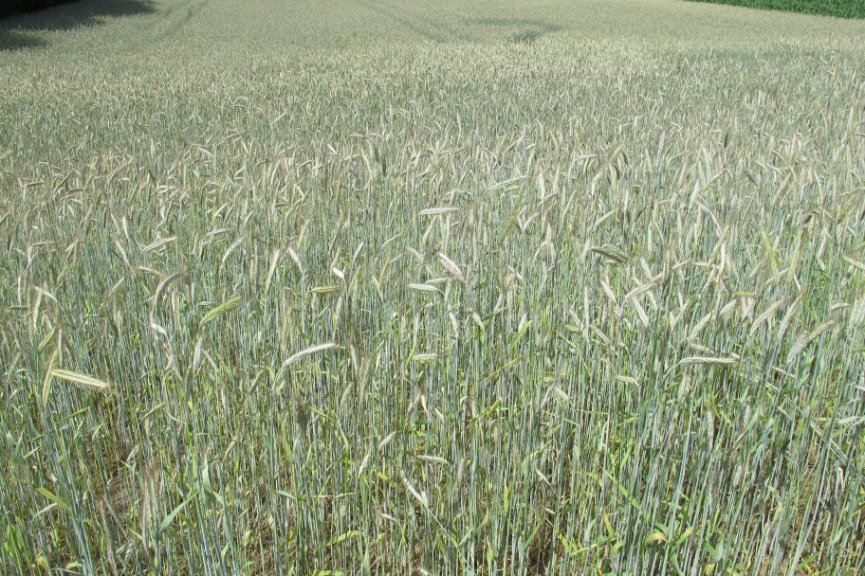
    The rye used for the Single Estate Series is a baker's rye called Dankowskie Diamond Rye- both farm distilleries grow the same rye. Typically bakers and distillers want different things from their grains: distillers want grains with high starch and low proteins (as I learned in Sweden), as they want to convert all those carbs to alcohol.

    In fact, the golden rye used in Belvedere pure takes 1 square meter of rye to make 1 bottle of vodka. For this less efficient bread-making rye for the Single Estate series, it take 1.4 square meter's worth of rye. 

    Each of the Single Estate vodkas use the same yeast, though this yeast is different from that used to ferment Belvedere Pure. 

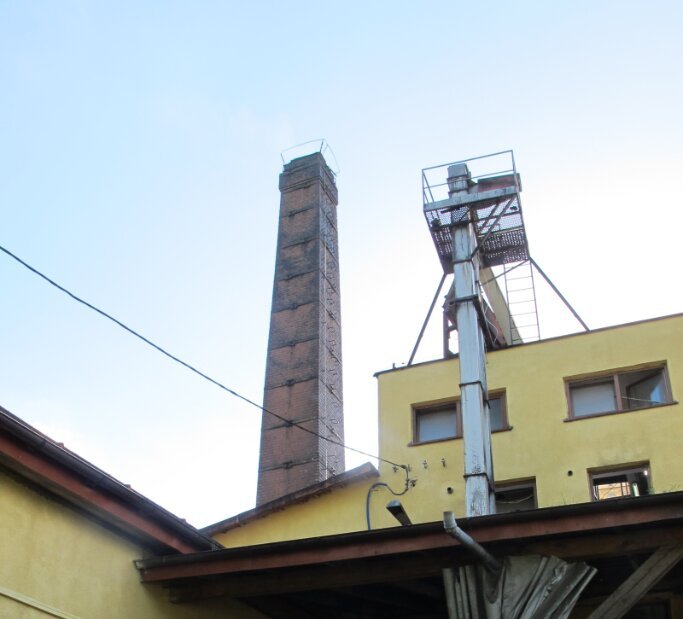
    We visited the local farm distillery where the Lake Bartezek-grown rye is first distilled. The grains have enzymes and water added to break it down into fermentable sugars, then it is fermented for 72 hours at 35C. After fermentation, the rye beer is from 7-11% ABV. After distillation in the single, 60-plate column, the spirit ranges from 88-93% ABV. 
     

    Bartezek Distillery (3)


    These two vodkas in the Single Estate series were sent out to laboratories for analysis: not just the final vodkas, but also the rye beer (the wort) from each. They were sent to analytic labs as well as reviewed by tasting panels. The results were that the differences between the two were much more pronounced before distillation, but chemical differences were found between them as well as tasting differences – so if you taste the vodkas differently, it's not just all in your head.

    We went through the scientific and tasting panel analysis reports rather quickly, so hopefully the below doesn't have errors, but here were some results:

    • The main flavor differences between the two single estate vodkas were due to Maillard reaction congeners (that produce toasty sweet notes) and lipid congeners (that produce fatty, waxy aroma compounds).
    • The Lake Bartezek vodka had more impact by Maillard reaction congeners, with less lipid congener notes, and a higher amount of esters in raw spirit. 
    • The Smogory Forest vodka had more nitrogen containing hectacycles such as pyrazines (toast nutty, peanut, coffee, cooked notes), furfural (caramelized notes), 2-acetylfuran (almond honey sweet bready woody notes), and methyl 2-methyl 3-something notes (umami character). 
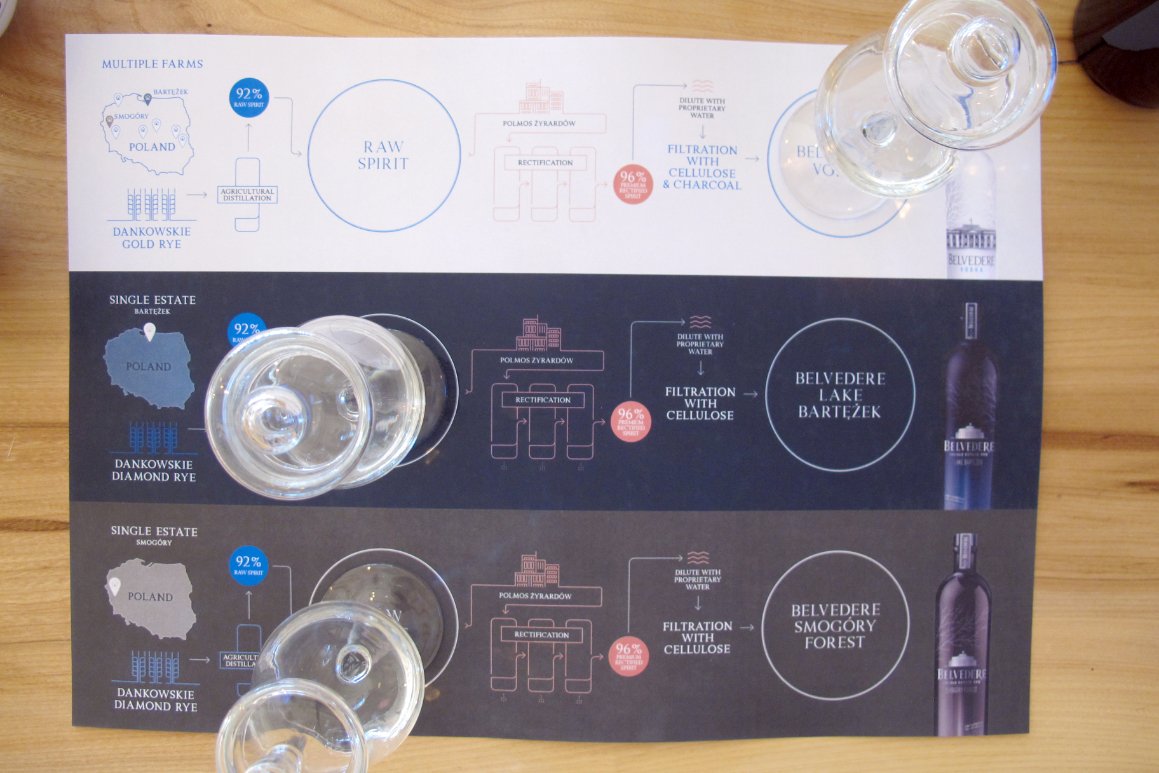
     

    Tasting sheet estate series


     The brand describes the tasting differences between the two vodkas as:

    • Smogory Forest: "a bold and savory vodka with notes of salted caramel, white pepper and honey-kissed hints. It brings out the richer flavors of rye." 
    • Lake Bartezek: "a fresh and delicate vodka with hints of spearmint, toasted nuts and black pepper. It brings out the more nuanced characteristics of rye."

    The production of the two vodkas wasn't 100% exactly the same: The way to do that would be to grow the rye in different places and distill it in the same place. For the single estate series, each vodka was distilled where it was grown. So beyond the local soil/weather conditions where the rye was grown (terroir), there were some other factors that could have influenced the final vodka's flavor. These include:

    •  The length of time the rye grew in each location was different, but I'd say this is an aspect of terroir rather than an exception. 
    • The water used for fermentation at each site. Water isn't just water, but includes different quantities of various minerals that can impact fermentation.
    • The fermentation times were different at the two distilleries.
    •  One of the worts (rye beer) was filtered after fermentation but before distillation, and the other wasn't. I'm not sure what impact this would have in a column still specifically, but it makes sense that it would be some. 

    In any case, the brand admits that this product launch and overall experiment is merely "the beginning of the exploration of terroir" in vodka, according to former Head of Spirit Creation and Mixology Claire Smith-Warner. 

    It was a terrific trip for me – y'all know how much I love distillery visits – with about five times the science as usual.  
     

      Rye Fields Lake District Poland Belvedere Trip (1)