Blog

  • A Visit to the Bently Heritage Estate Distillery

    America has been opening some truly impressive distilleries and distillery tasting rooms as of late, mostly in Louisville. Since the last time I visited only about four years ago, Michter's just opened a new distillery a week ago, Rabbit Hole distillery looks modern and impressive, and Angel's Envy,  the Evan Williams Experience, whatever Bulleit is doing at Stitzel-Weller, Kentucky Peerless, and Old Forester  have opened their visitors' centers.

    But probably the most exciting new distillery in America to open just popped in Minden, Nevada. The area is a high desert environment, a plateau surrounded by mountains on all sides, about 45 minutes south of Reno. 

    The scale of Bently Heritage Estate Distillery, which opens to the public Saturday, February 9, 2019, is going to blow your mind. Keep reading.
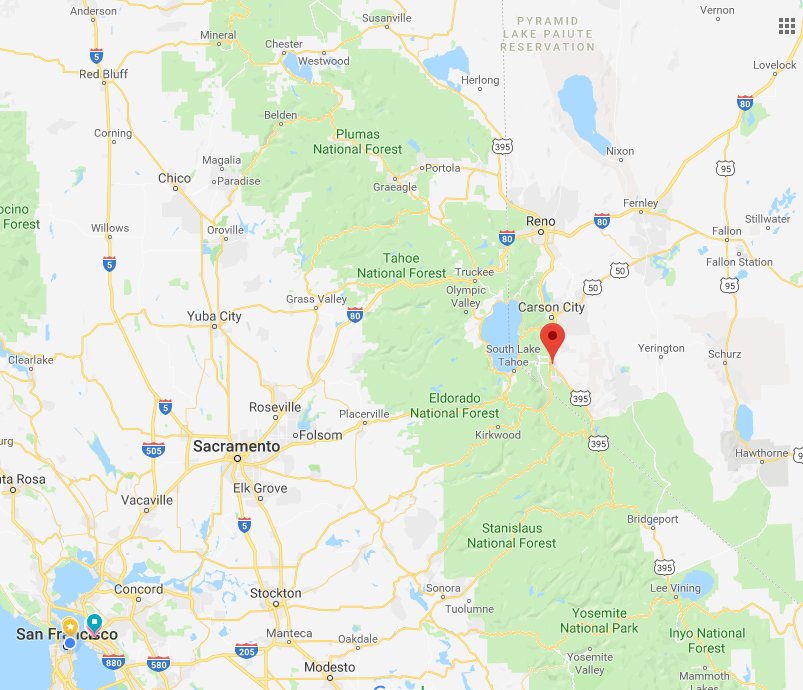


    Minden


    This is a ranch and an estate distillery, so nearly everything in their bottles is grown on the property (minus botanicals for the gin… so far). That includes barley, oats, wheat, rye, and corn for their base spirits. They also raise cattle and have a butcher shop on the property, and grow other crops including hops and alfalfa. 

    But let's talk about the stills, because:

    IMG_3535


    Yeah. So there are actually two separate distilleries on the property. This one that looks like the Holy Mother Church of the Order of Saint Juniper; and the other one with where you can sit on a couch and watch American single malt whiskey being made in traditional scotch whisky stills. 

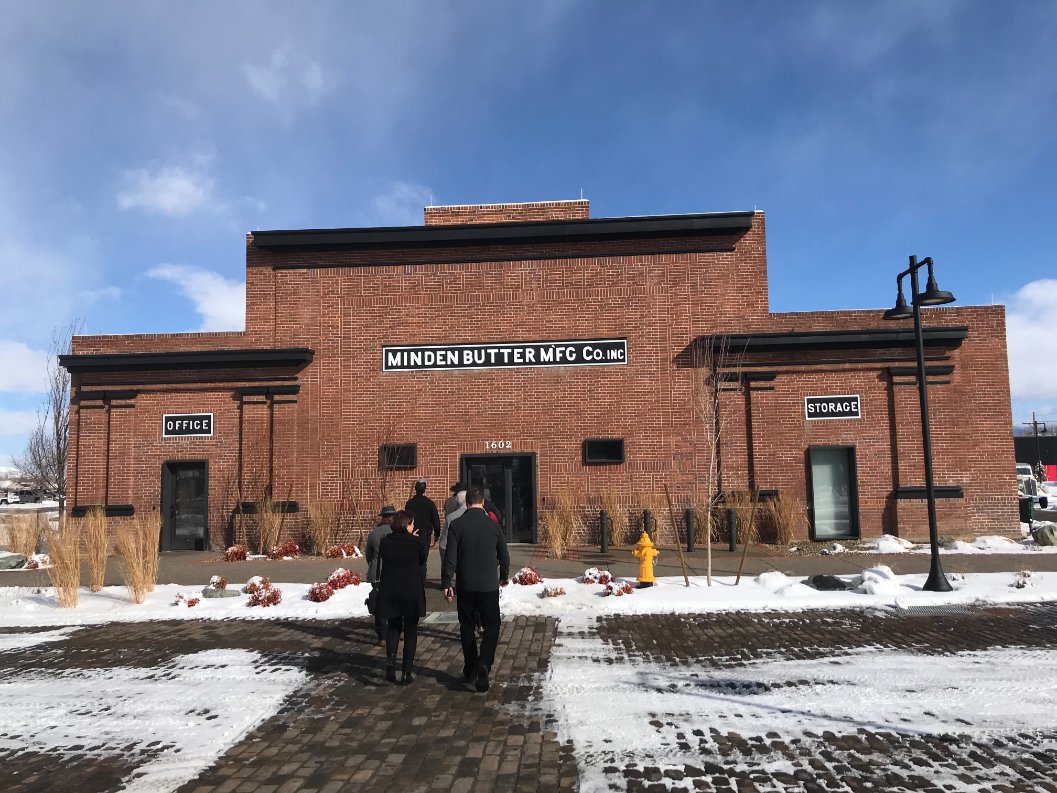
    The cathedral-like space is a former creamery dating to 1906. From the outside, it doesn't look like much. 
     

    IMG_3514
    IMG_3514


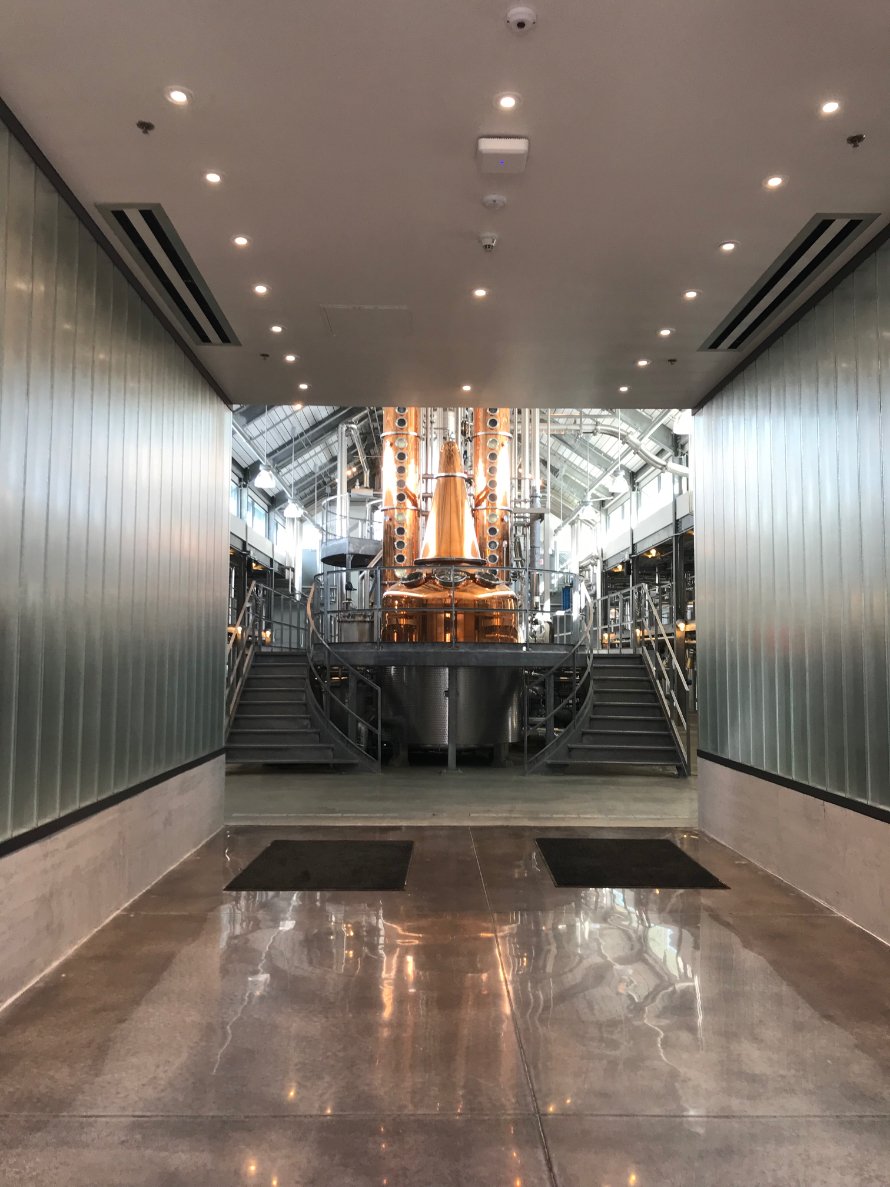
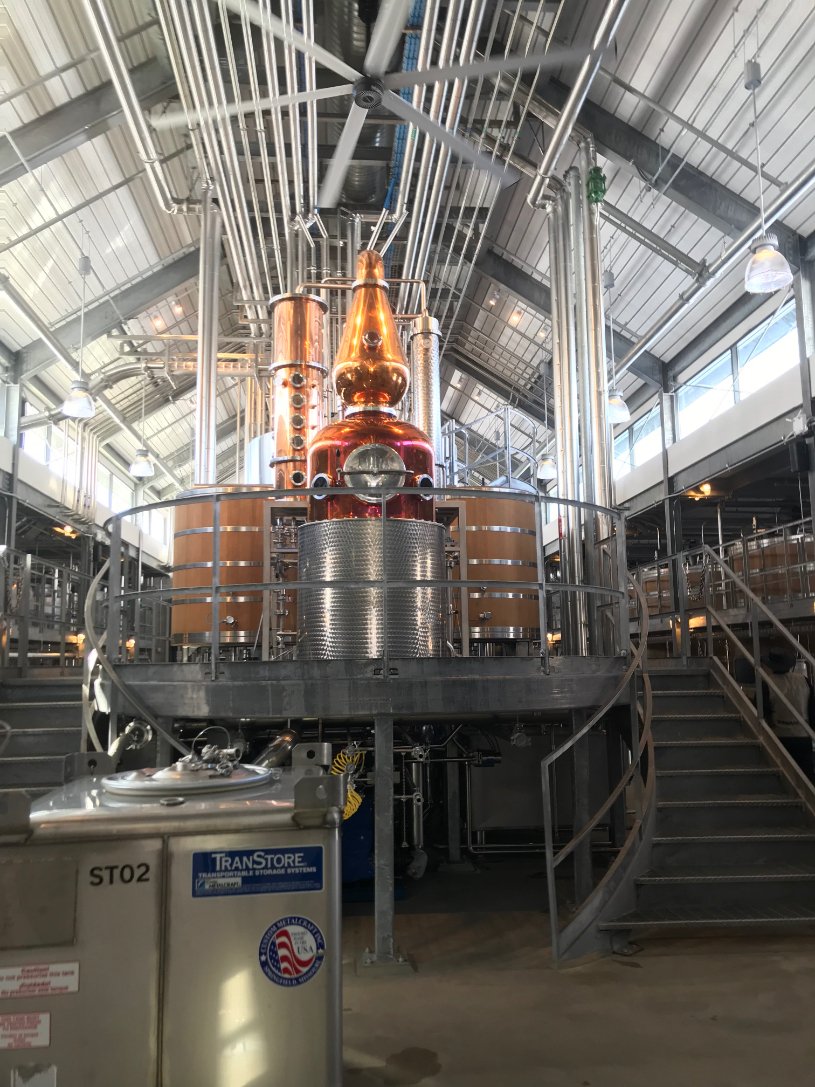
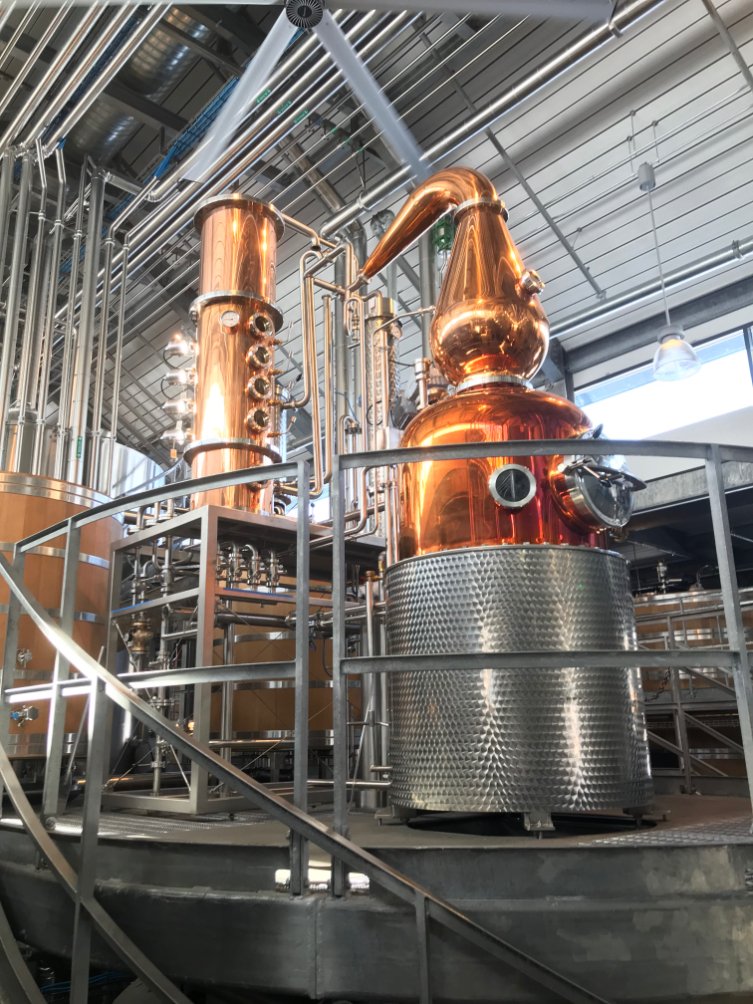
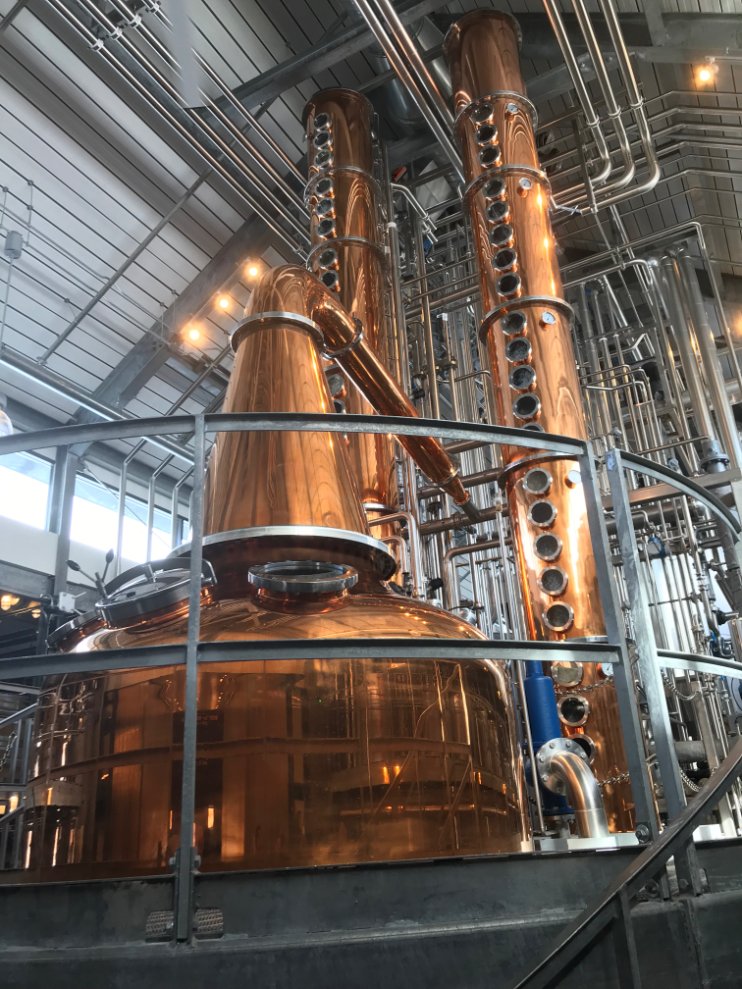
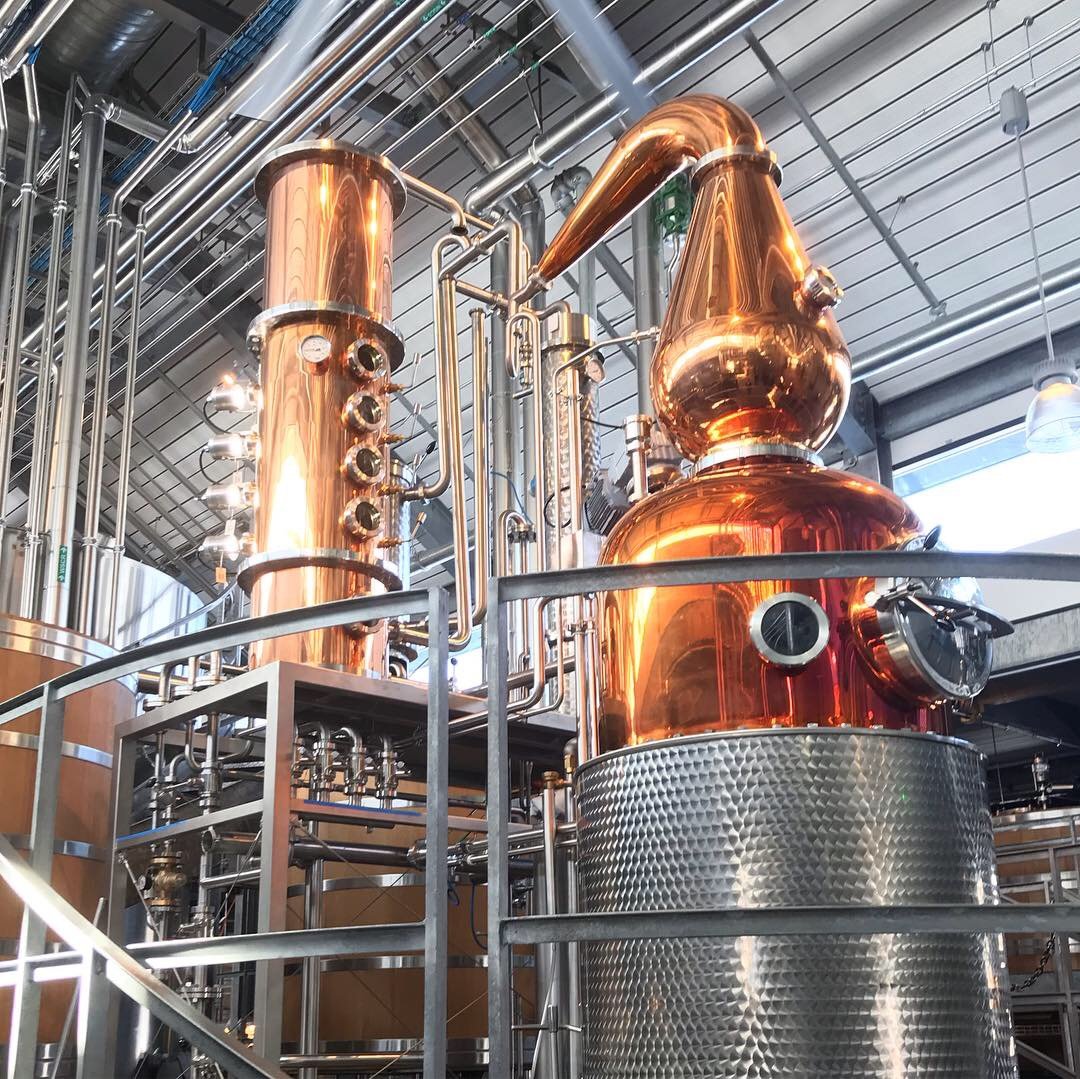
    Inside, you enter facing this gargantuan pot still with two columns behind it. This is a discontinuous pot-column hybrid system that works together. In this still they make gin, vodka, and forthcoming liqueurs. The two columns are more like a single column cut in half – after the liquid moves through one still it's pumped to the top of the other one to continue its journey.  
     

    IMG_3538
    IMG_3538


    Behind this still is a stainless steel continuous column still. I believe they said that for anything that will go into the pot still they first strip the solids and give it a first distillation in the column.

    The column still is narrow and has so many pipes and parts connecting to it that it's not really recognizable as a still. It's called a Headframe still. It has a capacity of 5000 gallons per day. 


    IMG_5982


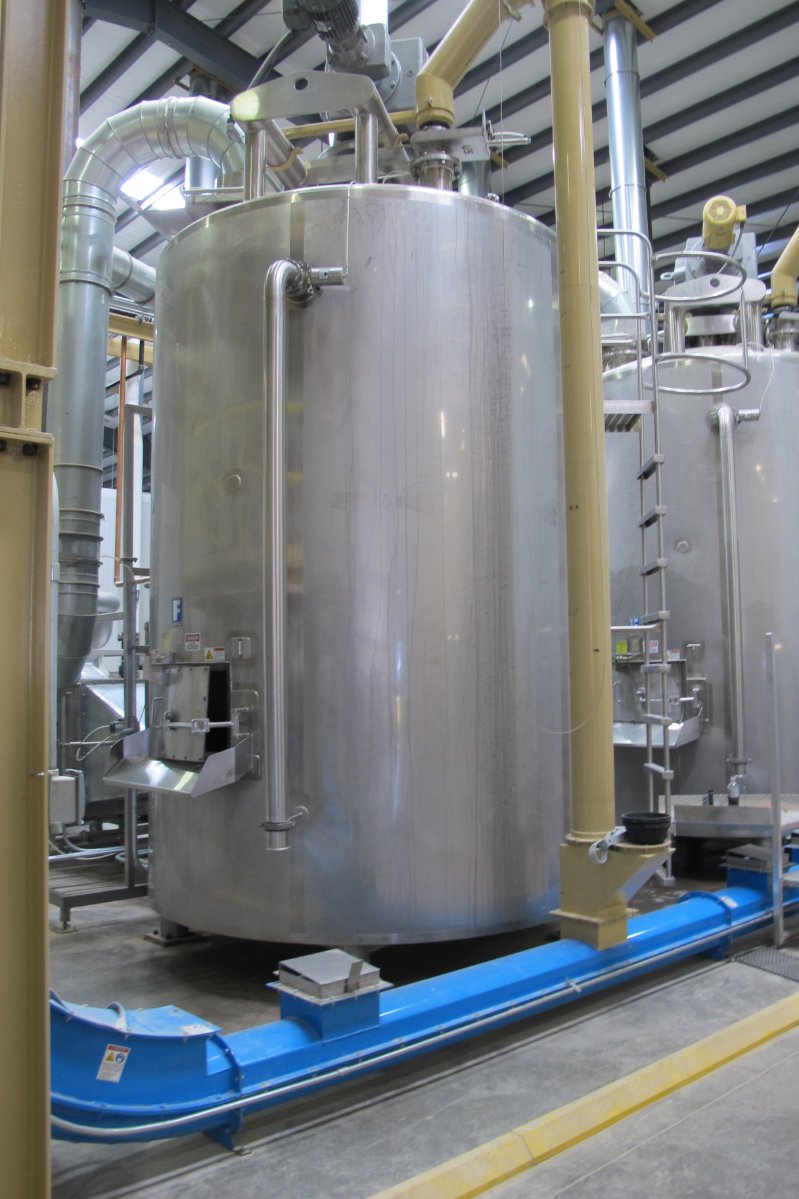
    Behind the column still is a grain cooker. Grains are pumped in from the ceiling and cooked for 3-4 hours. In the case of their oat spirit that is the base of the vodka and gin, they use "a ton" of enzymes so that the oats don't gunk up the cooker. 

    Behind the cooker at the far end of the same cathedral room is their experimental still, which is the size of a standard start-up distillery still. It's a pot with rectifying column. 
     

    IMG_3656
    IMG_3656
    IMG_3656


    On the sides of the cathedral room are fermentation and storage vats and tanks to hold liquids in the various states of production. 

    Beyond this room the building continues into a barrel filling room and a bottling line. 


    IMG_3576


    Rickhouses

    The rickhouses are a mile or so from the other site. We didn't get a chance to peek inside them (I think they are being developed for visitors as well so that certain groups can get barrel tasting experiences there in the future), but they have three separate temperature and humidity controlled areas (so they can imitate the weather changes of Kentucky and Scotland at the same time), plus an experimental climate control area that I assume is smaller. 

    About the only thing they don't have onsite is a cooperage. 


    The Feedmill, Scotch Stills, and Visitors' Center

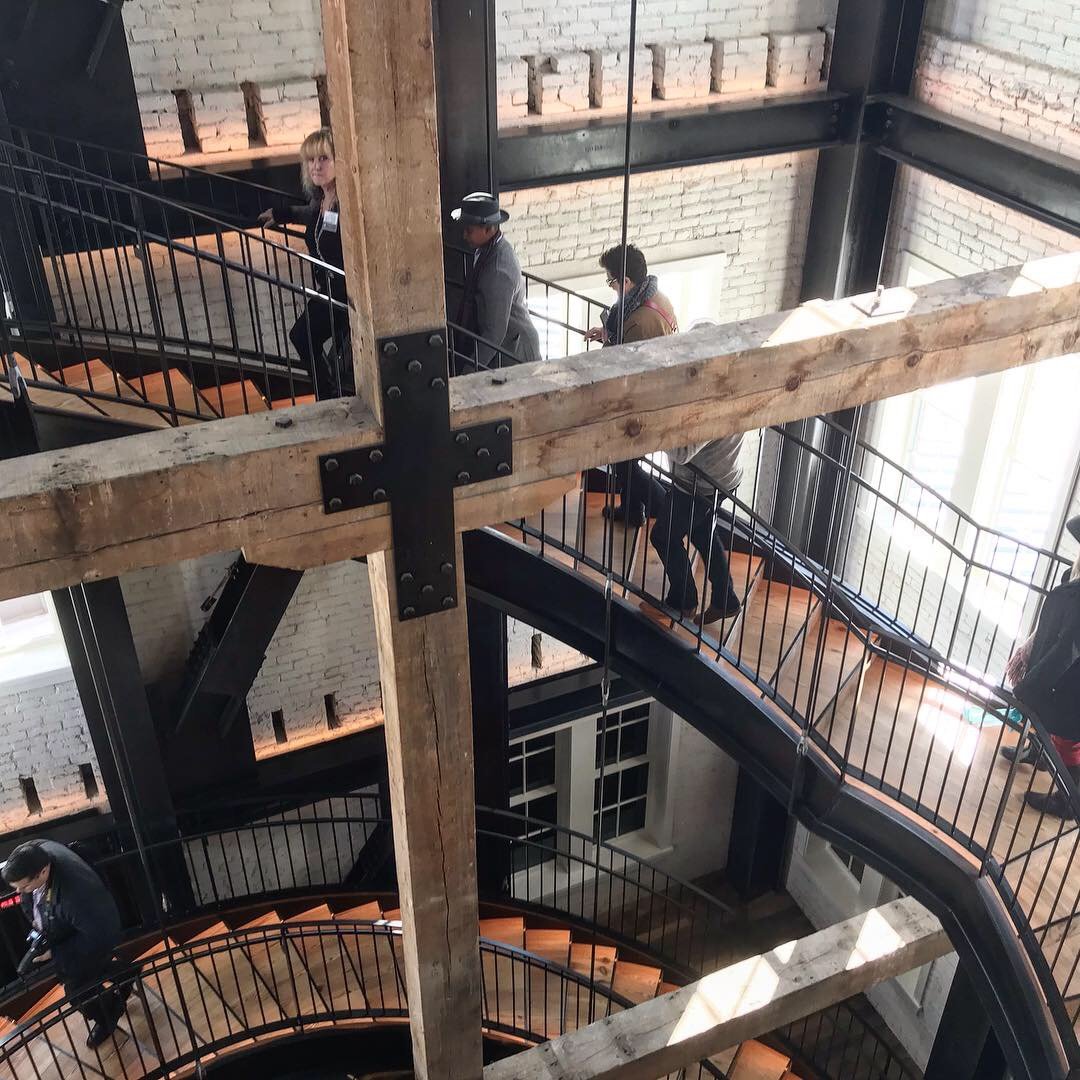
    The main visitor's center is the former feedmill with grain silos that date to 1906 as well. The room that makes up the main visitors center apparently held a huge vat of molasses which was used to enrich the grain to make feed. That's used as the design inspiration for the central three-story spiral staircase. There will be a retail shop on the ground floor, a bar on the second floor, and I believe the third floor will be used for special events like mixology lessons. (On my visit, Tony Abou-Ganim was there teaching the press how to make cocktails.) 
     

    IMG_3655


    All three floors of this building have a glass wall that looks into the adjacent concrete silos. The two buildings were joined and the interior of the silos were carved out to make a clover shape. [For an amazing example of this type of architecture, check out the mind-melting pictures of the Zeitz Museum in South Africa.]


    IMG_3636
    IMG_3636


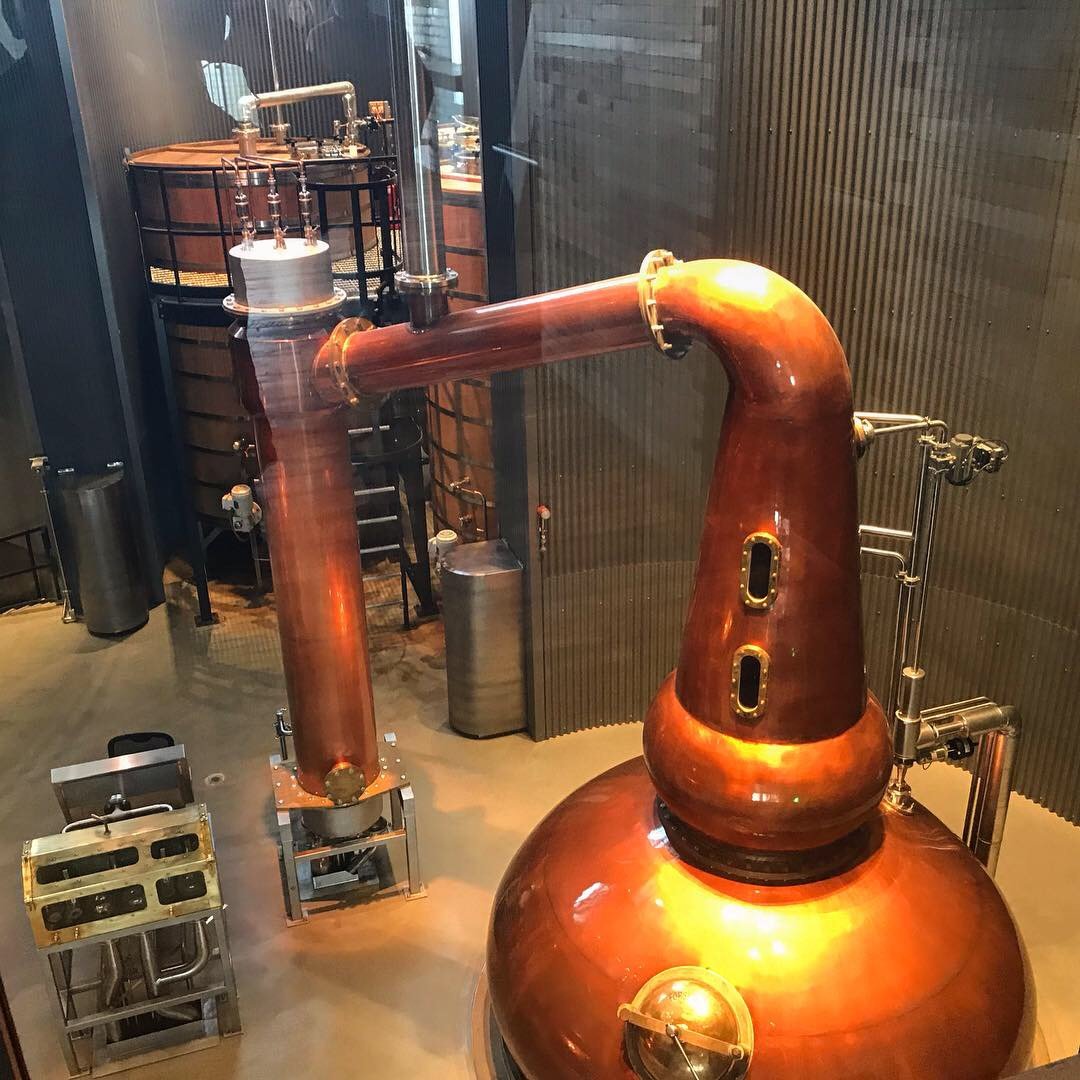
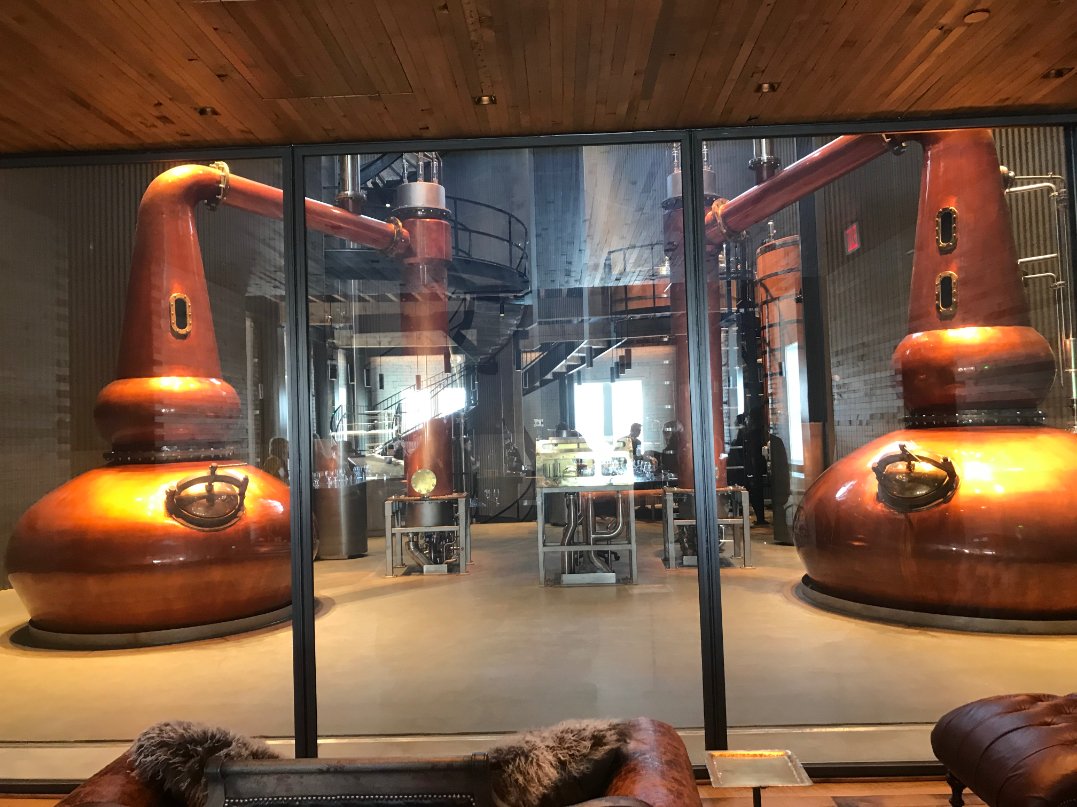
    Inside the former grain silos are two enormous Forsyth stills for making American single malt whisky. There is also a mash tun and fermentation vat in the room so that all the distillation production is self-contained – except for the malting, which we'll see in a second.

    The lyne arm of the still is at quite an angle so in single malt scotch they would tell us that this makes for a meaty, oily style of whisky. Here the distillers said they can make that style of make adjustments so that it comes out in a lighter style if they so wish it. 
     

    IMG_3613
    IMG_3613


    The Ranch and the Malt

    Elsewhere on the ranch they raise cattle and have a retail butcher shop (they're getting into cheese soon as well). The ranch also has the largest compost facility in Nevada, which they use for their spent grains from distilling. This all gets composted and is used as fertilizer in the fields on site. 

    For spirit production, they're growing heirloom corn varieties, oats, rye, and barley. The distillers make request from the farm managers and they attempt to grow different grain varieties to try in their distillation experiments.

    As the Bently Heritage ranch has been operational for about 4.5 years preparing for the distillery to officially open, they have a lot of grains stored up for future spirits. (I think they said they were still distilling 2016 grains for their current products; they've got a lot of backlog.) They have 5 cultivars of barley and I think they've tried a lot of different types of corn. 

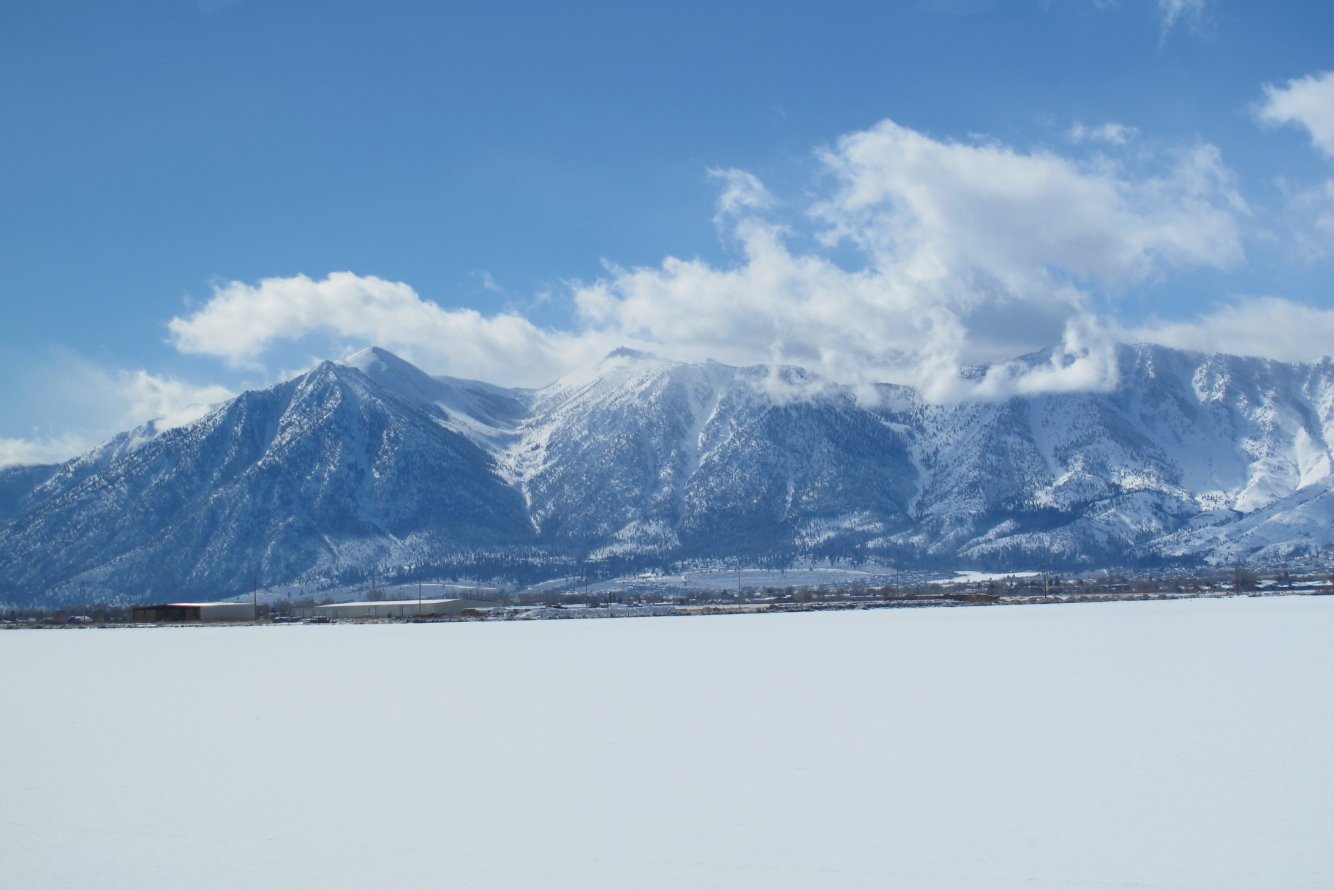
    They have 60,000 acres under cultivation. Even when no grains are currently growing, there's some stuff to look at. 
    IMG_6030
    IMG_6030


    With the scale of this production, it may not surprise you to find that they also malt their own grains. The malt house main room is full of grain storage and big tanks, which are self-contained "auto-malter" makers. Inside, the grains are soaked, dried (kilned), and come out as malted barley. 

    They also have a separate floor malting room, where wet grains are spread over a concrete floor, turned by hand for a few days, and then dried. (They'll be able to smoke the floor malted barley in the future, as is done in Islay scotch.) They'll be able to process 10 tons of malt per week (!!) here. They'll not use it all for themselves, but will sell some to beer producers. 
     

    IMG_6001
    IMG_6001


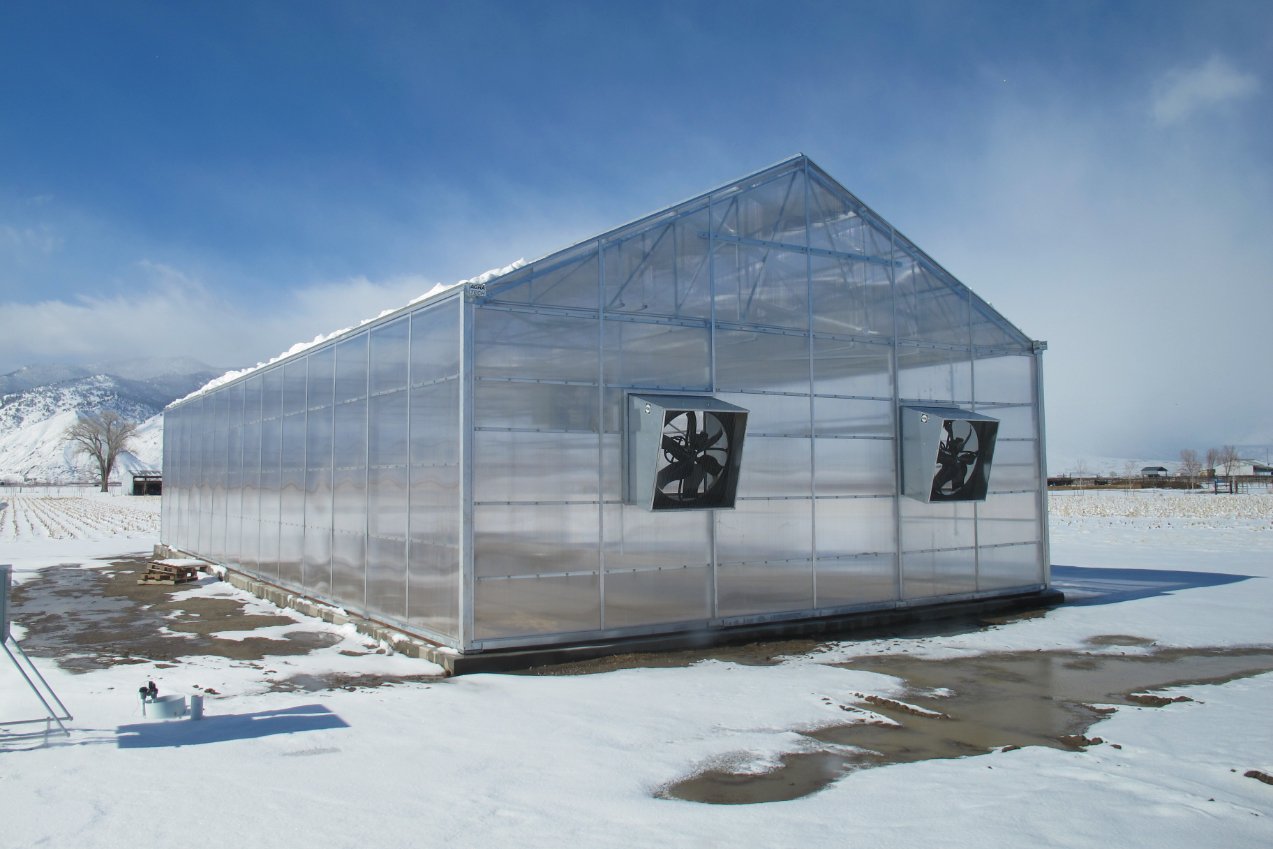
    They build a greenhouse that hasn't been planted yet (expect citrus trees and other botanicals probably to be used in future gin) and have a hop growing area next to it. 
    IMG_6015

    Beyond all this, they have a seed bank – apparently some of their heirloom varietals of grains can be hard to source from one year to the next so they propagate and store seeds. 

    The farm is all-natural and no-GMO, but is not certified organic (and I don't think they plan to be). 


    The Current Products

    Obviously Bently Estate plans to make whiskey, and lots of it. But for now, the distillery is opening with three products: A vodka, a flavored vodka, and a gin. 

    Source One Vodka is distilled from estate grown oats, and it has a nice soft texture. They also produce a vodka rested in small oloroso sherry barrels.

    Juniper Grove Gin is their London dry-style gin that's juniper forward with traditional gin botanicals except for the use of lime rather than other citrus. 

    Two more gins are forthcoming: Atrium, which will be closer to a New Western style of gin; and Alpine, which includes pinecones and will reflect the botanicals of the region. 


    IMG_3578
    IMG_3578
    IMG_3578


    What the Hell is Happening Here? 

    I'm glad you asked. I don't know. 

    Obviously this is an operation on a scale that is just not seen. Distilleries typically start small and/or focus on one spirit product. This one is starting huge and will be making tons of different spirits – anything that can be grown on the estate. (Which means no rum and maybe no vermouth.) So this one company will have in a few short years an entire portfolio of products, all self-grown and self-made in one location. 

    I'm very impressed and will continue to watch. 


  • China Baijiu Trip Miscellany, in Pictures

    If you've been following along, I've made… quite a few posts after my amazingly informative trip to China with Ming River Baijiu. Today is all fun and photos.

    Previous posts, all from this one trip: 


    So here are just some sights and scenes. 


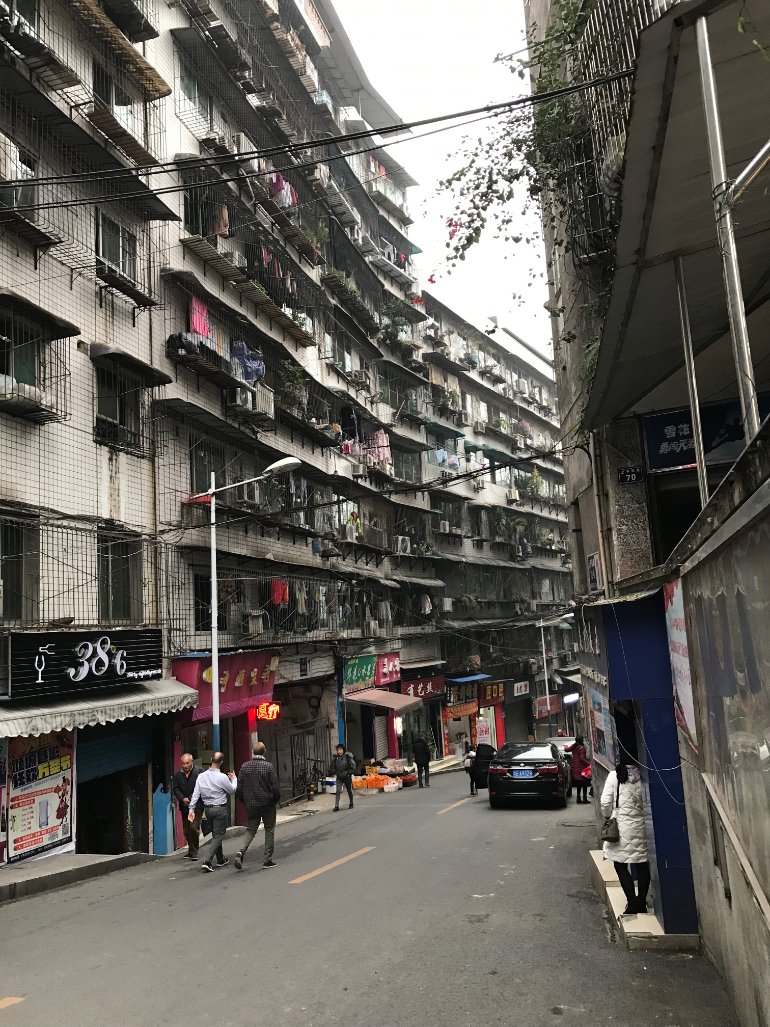
    Luzhou

    The Luzhou Laojiao distillery is located in the city of Luzhou. It's very much not dialed in for Western tourists. We were only there one night. 

    IMG_2644

    Above: The street right near our hotel.

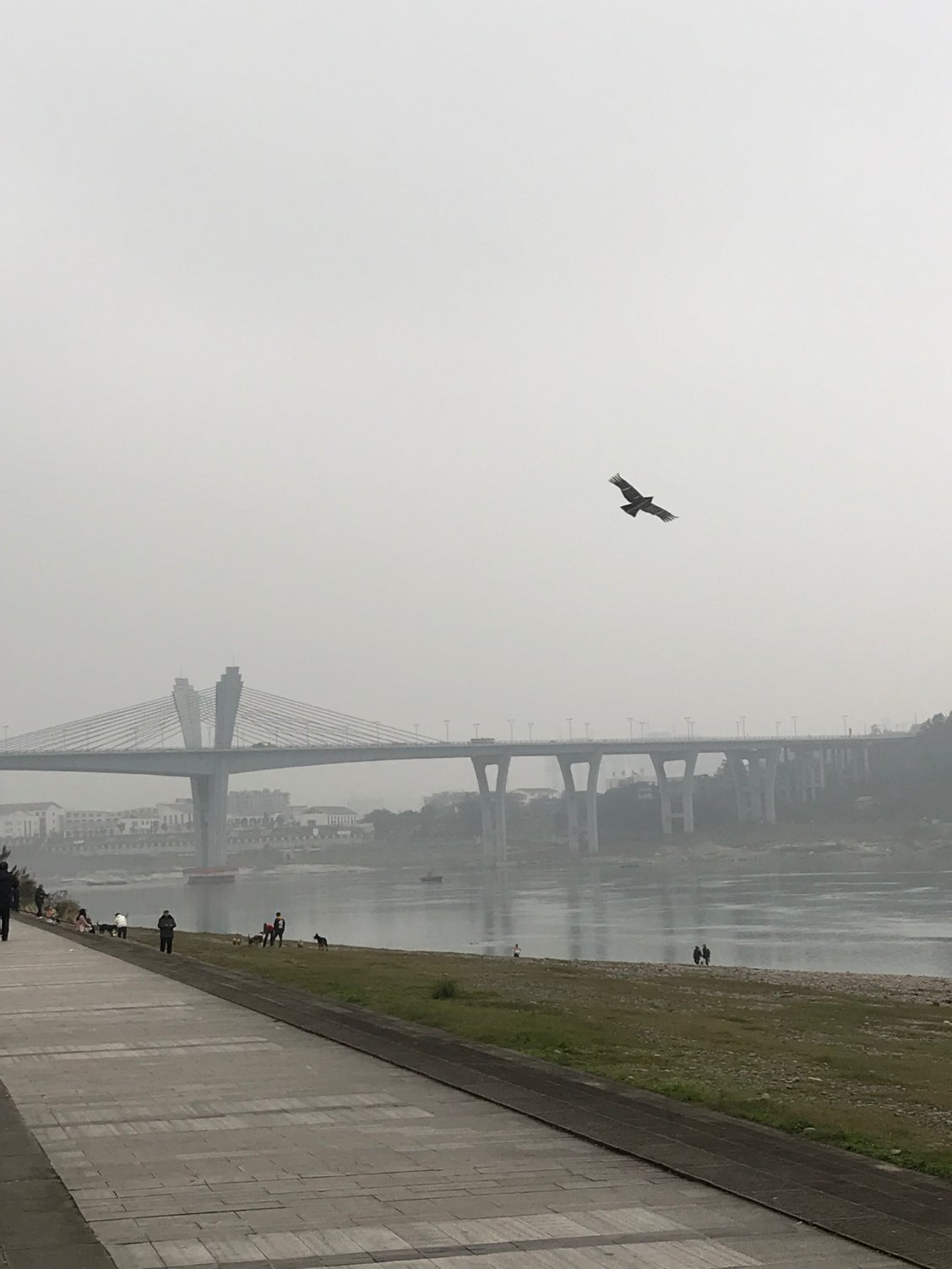
    IMG_2652The Yangtze River! 

    IMG_2671

    A lot of the buildings light up in China. 

    IMG_2671

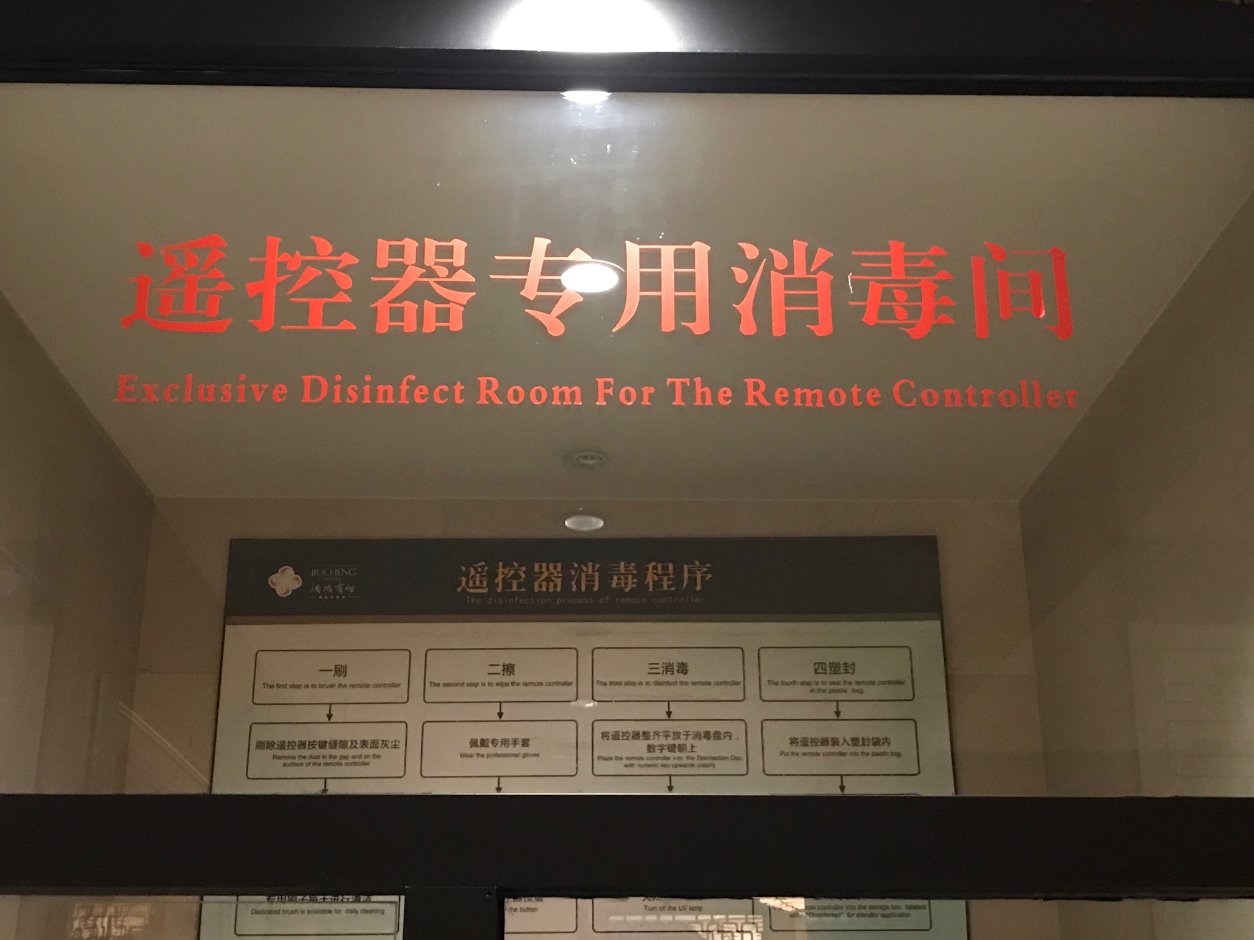
     In the lobby of the hotel we stayed in had this glass cubby for the exclusive use of disinfecting TV remote controls. That's a new one.


    Chengdu

    From Luzhou we drove to the larger, most cosmopolitan city of Chengdu. It is a growing city and growing tourist and shopping destination. 

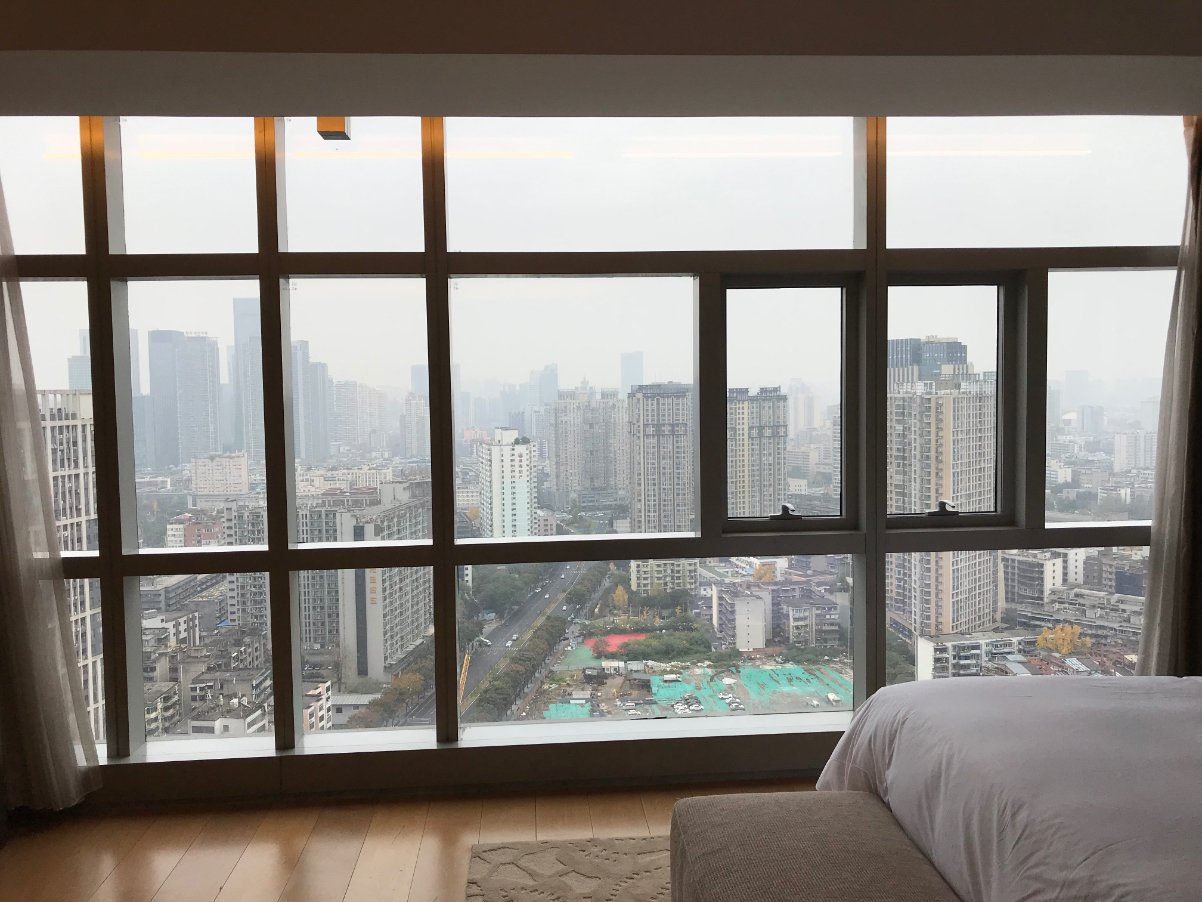
    IMG_3103My hotel room view.

    IMG_3103

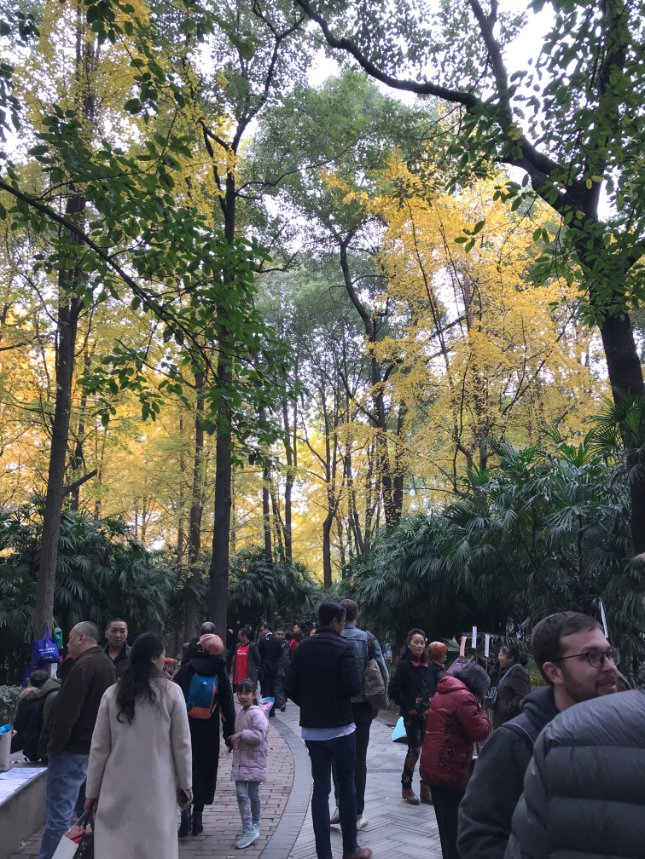
    A large, busy park in Chengdu. The yellow trees were a beautiful color not well captured here.

    IMG_3103

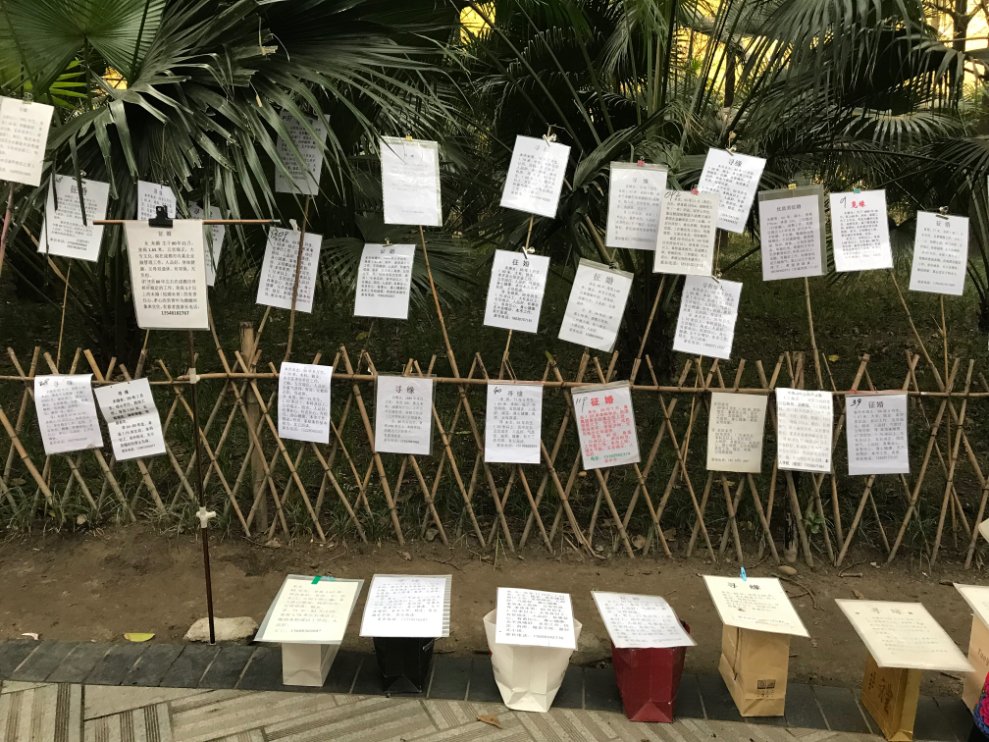
    In the park, parents of single children put up signs advertising their adult children's assets. The parents stand around matchmaking in what must be the most humiliating act for the children. 

    IMG_3123

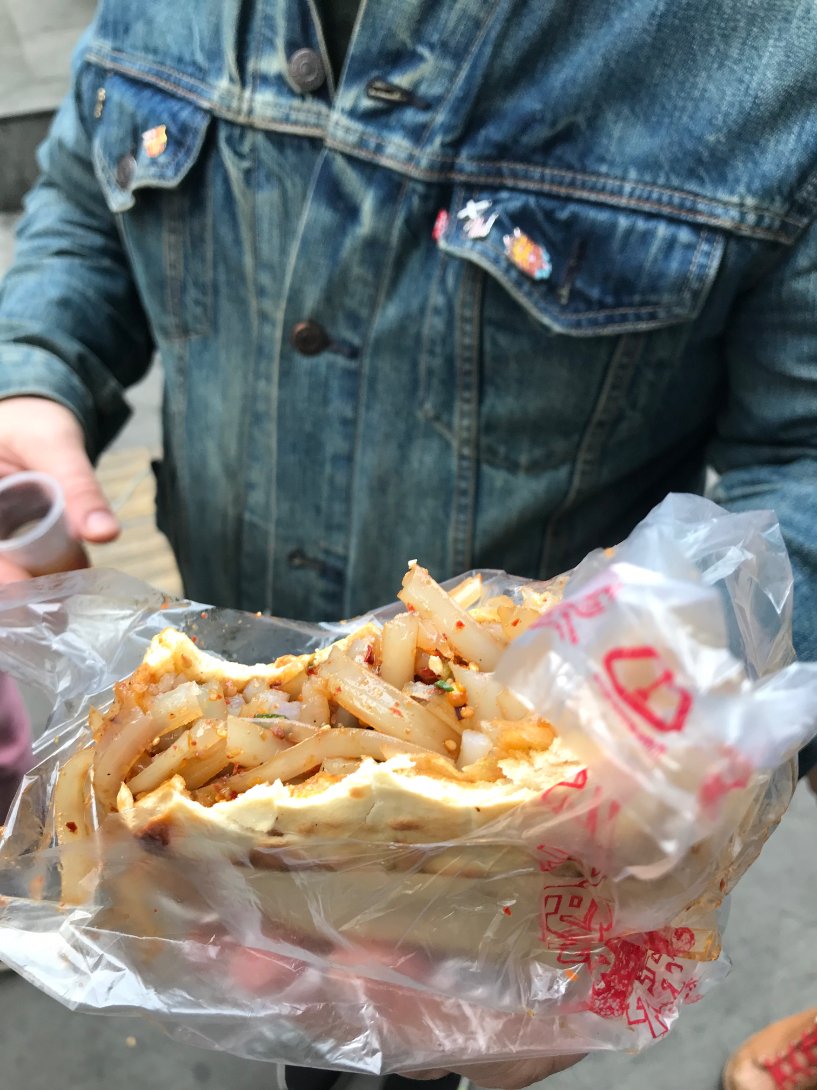
    We took an awesome street food tour. I didn't eat much but hello noodle sandwich!

    IMG_3123

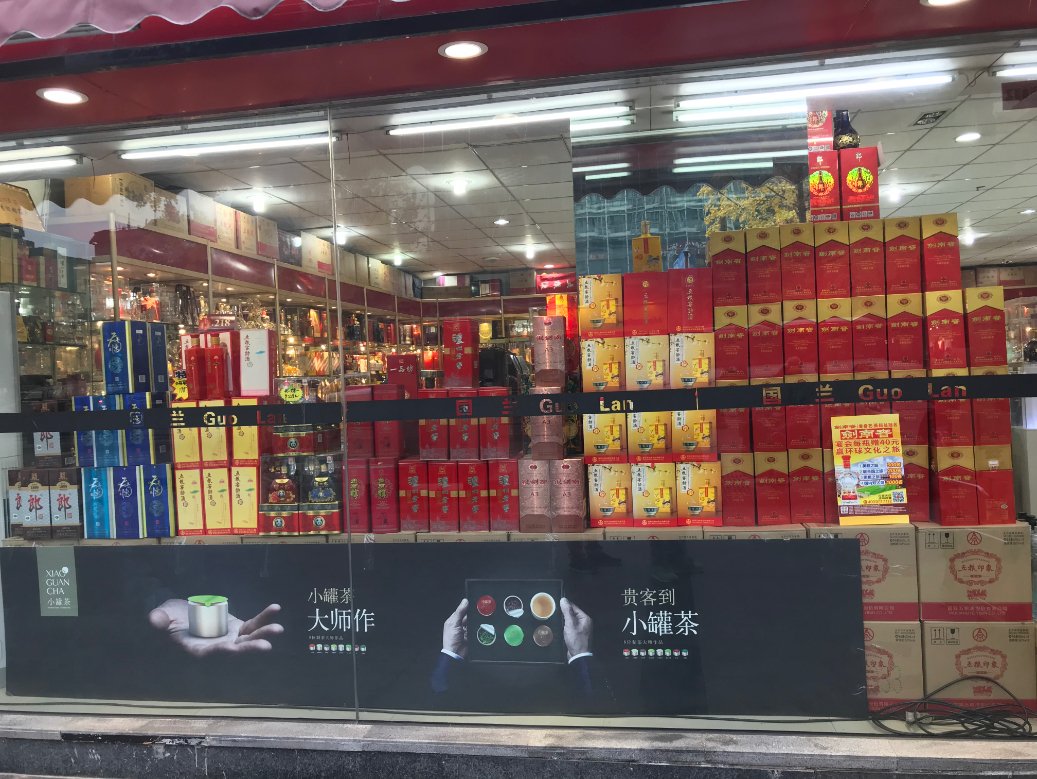
    This is a typical baijiu store- the bottles are usually red and gold. 

    IMG_3123

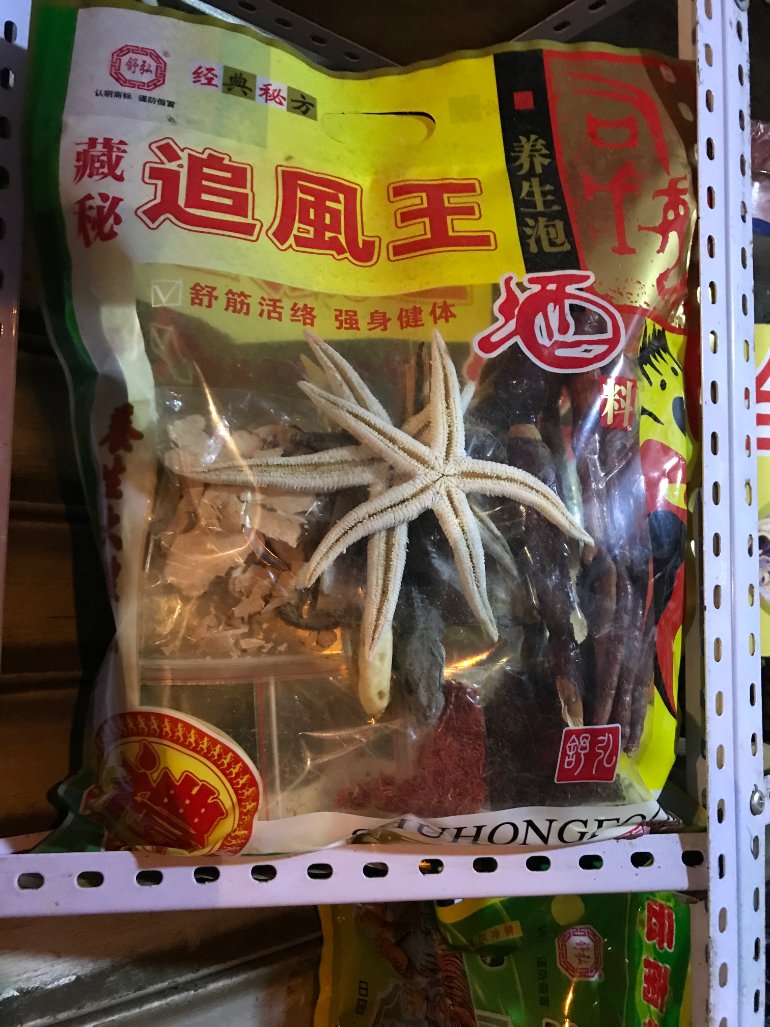
    We stopped by a more traditional street baijiu shop. This is a medicinal ingredient infusion kit. Yes, that's a starfish. There's a snake head poking out there too and who know what else.

    IMG_3123

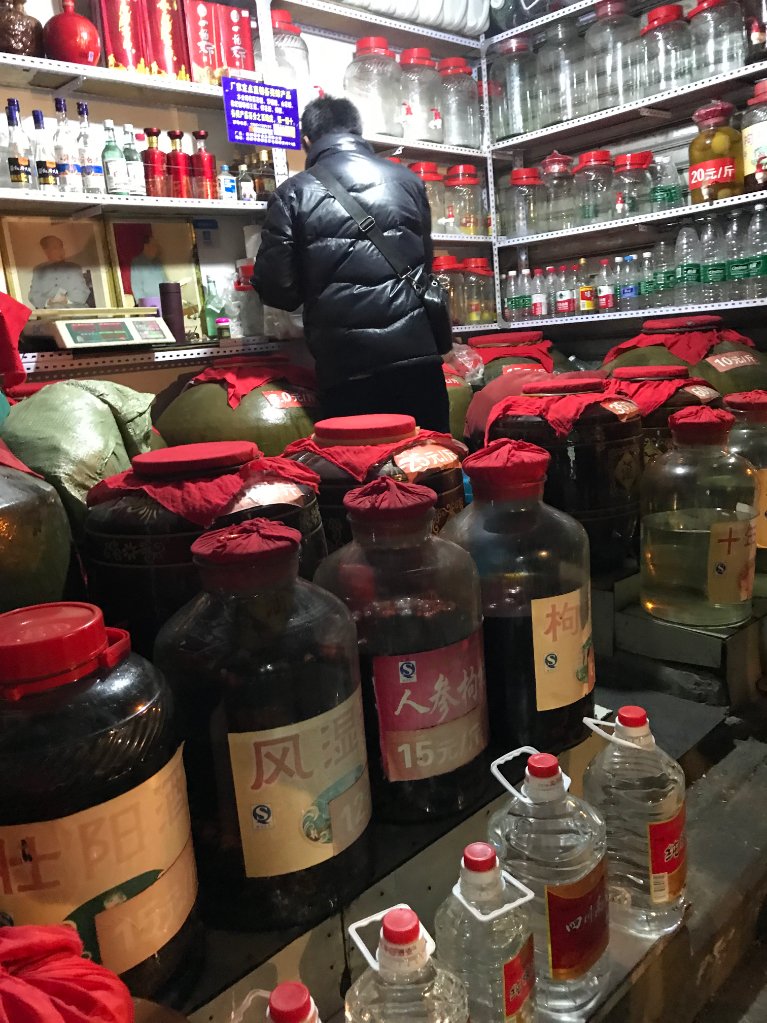
    The baijiu stand sells house infusions kept in the big jars, in various flavors. 

    IMG_3123

    The bottles are more infusion-grade bulk baijiu. 


    IMG_5954

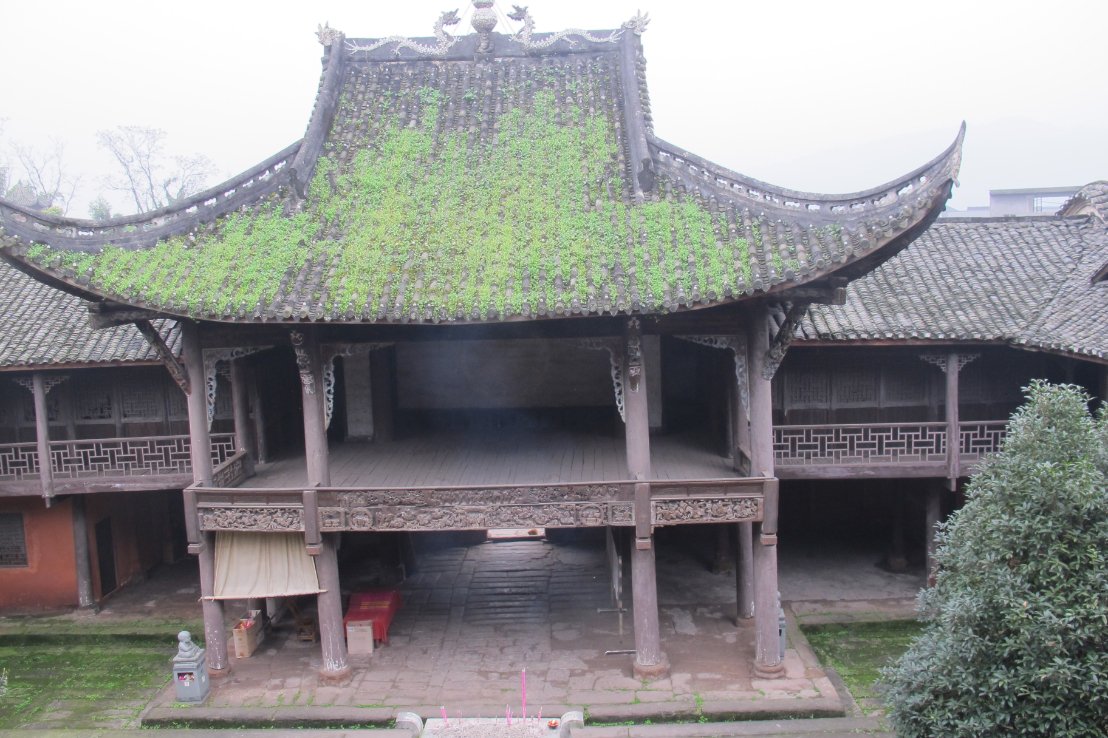
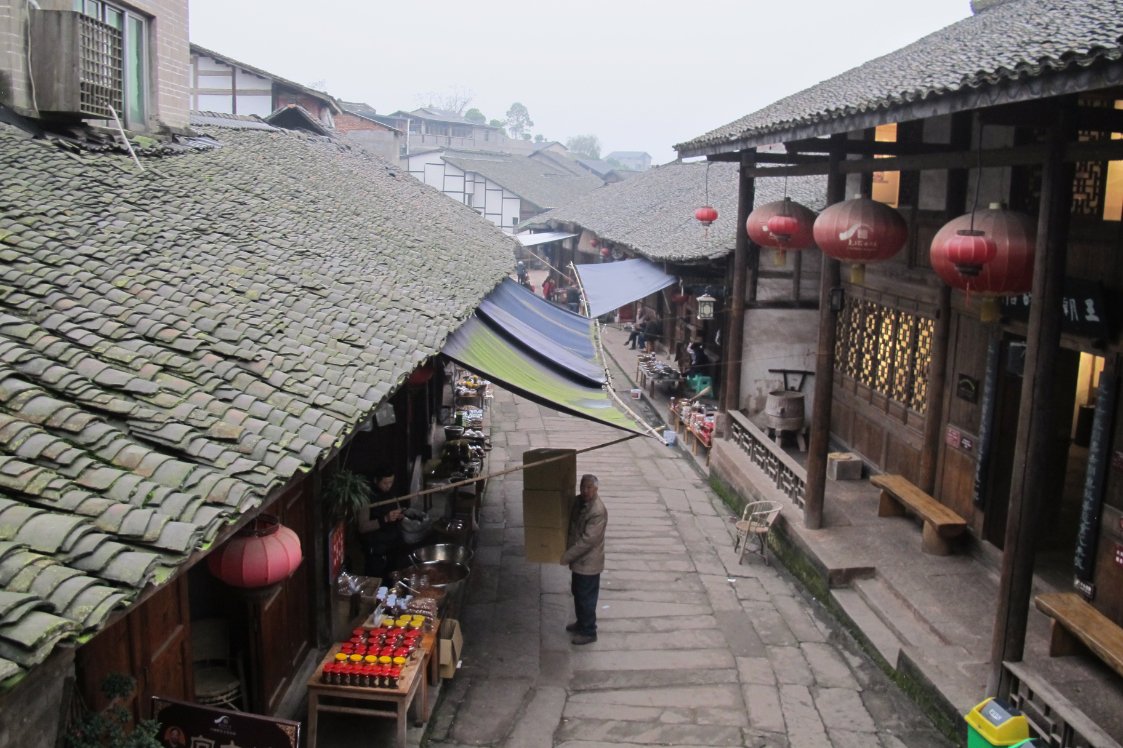
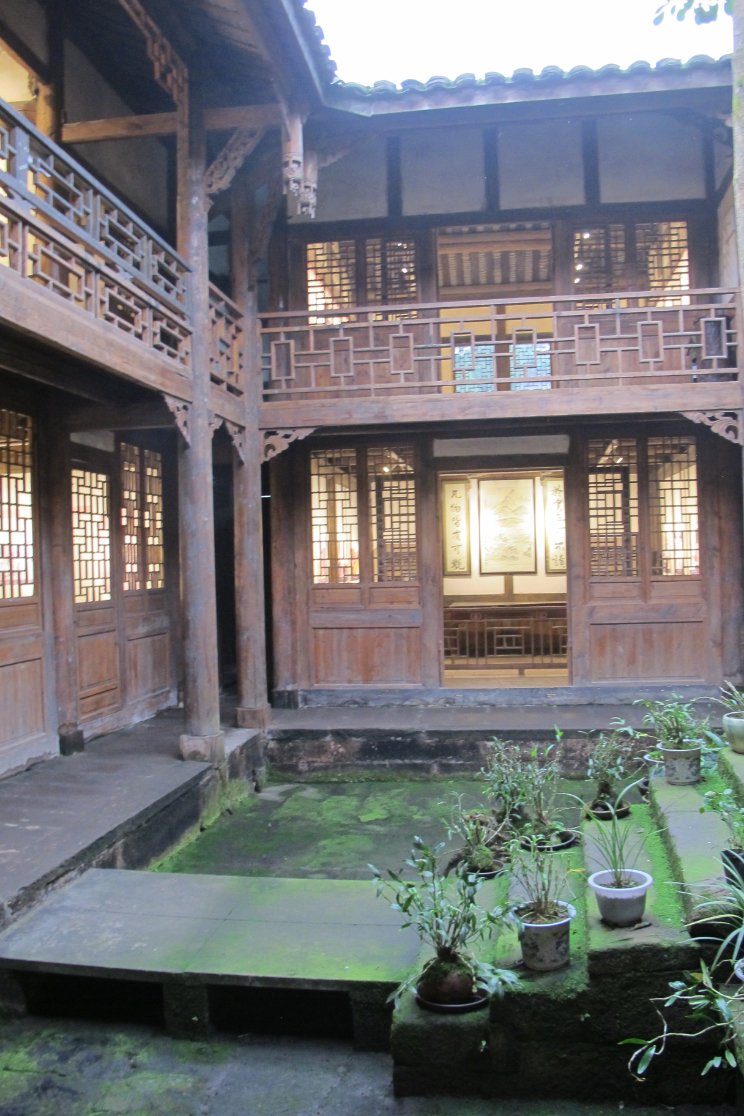
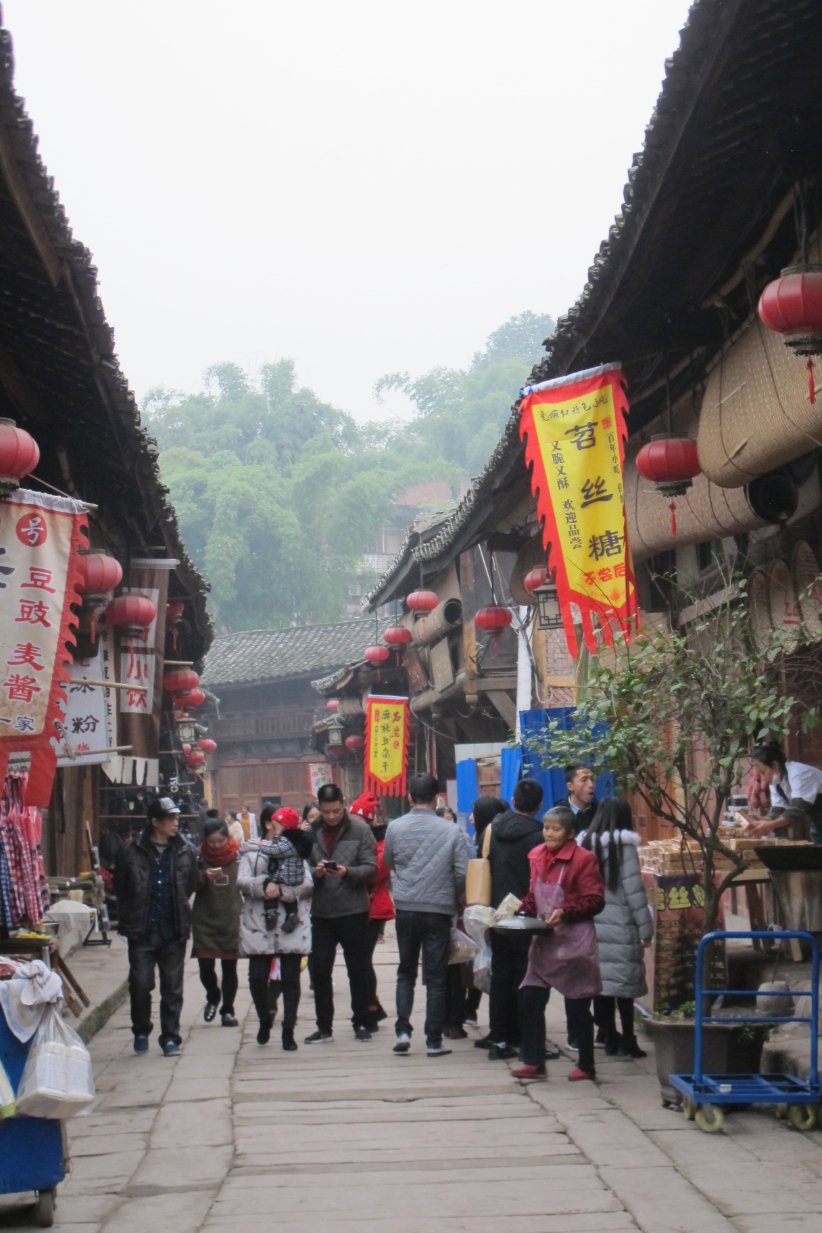
    Somewhere not far outside the city, we visited a traditional old Chinese village that has been preserved for tourism. Our group of Americans was an attraction for the locals working in the village. People were taking pictures of us as we were taking them of the old buildings. 

    IMG_5954
    IMG_5954

    The interior courtyard of a famous artist's house. 

    IMG_5954

    Street vendors were selling local delicacies, along with tchotchkes, traditional parasols, and clothes.


    Panda Sanctuary!

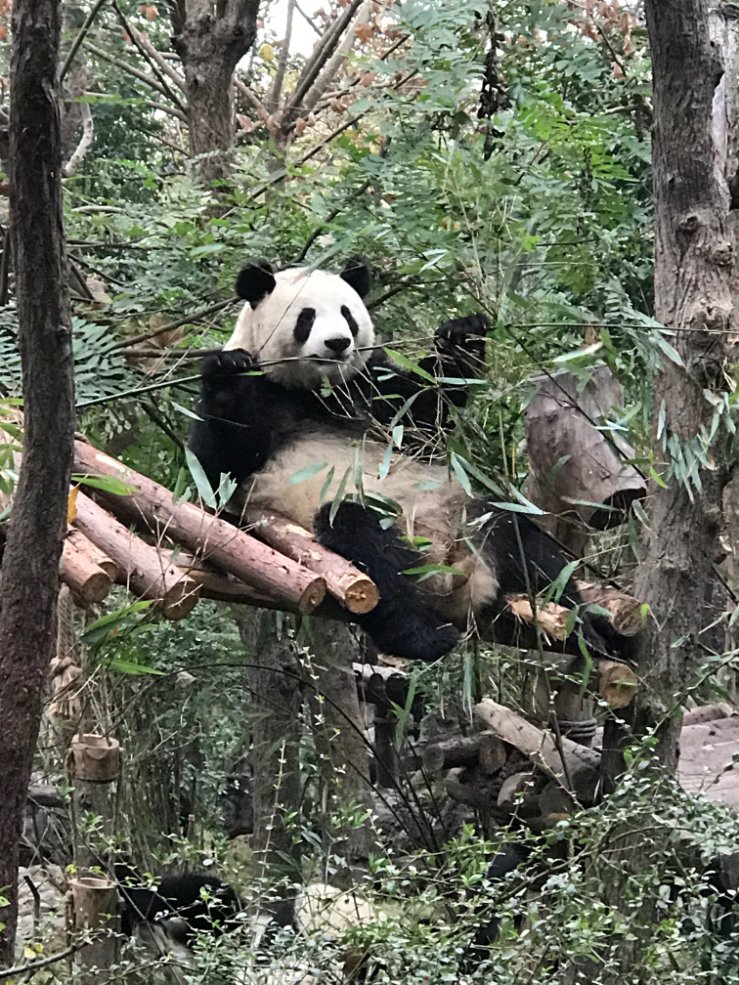
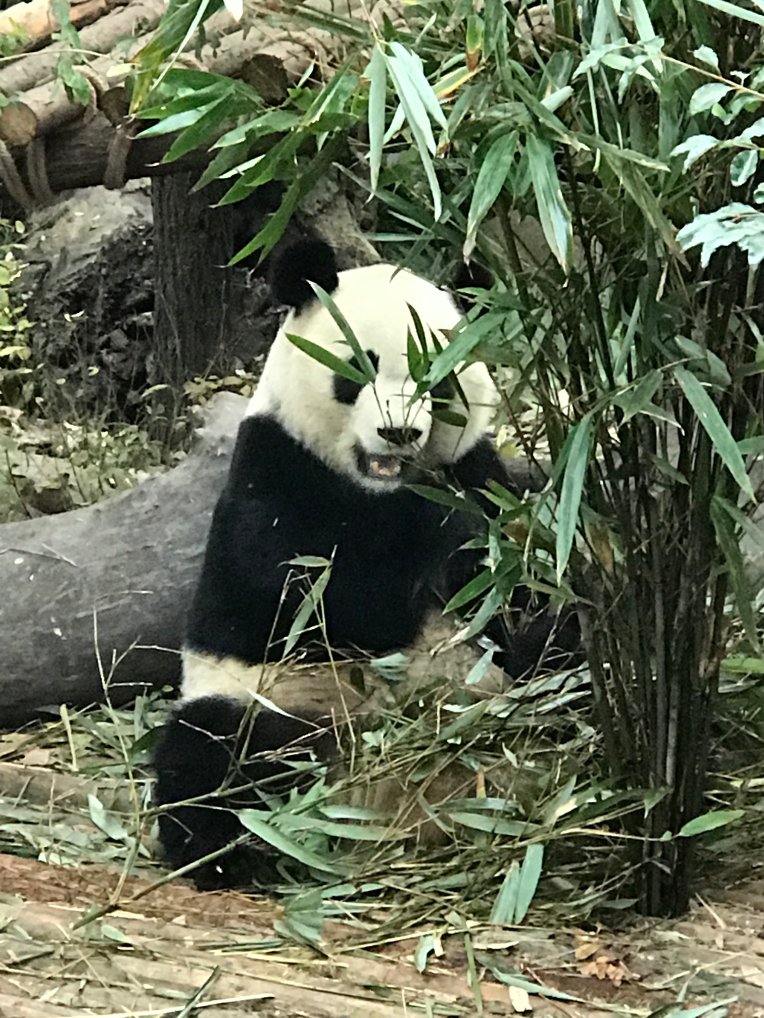
    Part of what puts Chengdu on the tourism map is their huge panda breeding center and park. We played it right and got there right when it opened. Within two hours, thousands of tour busses pulled up all at once and it became insanely crowded. 

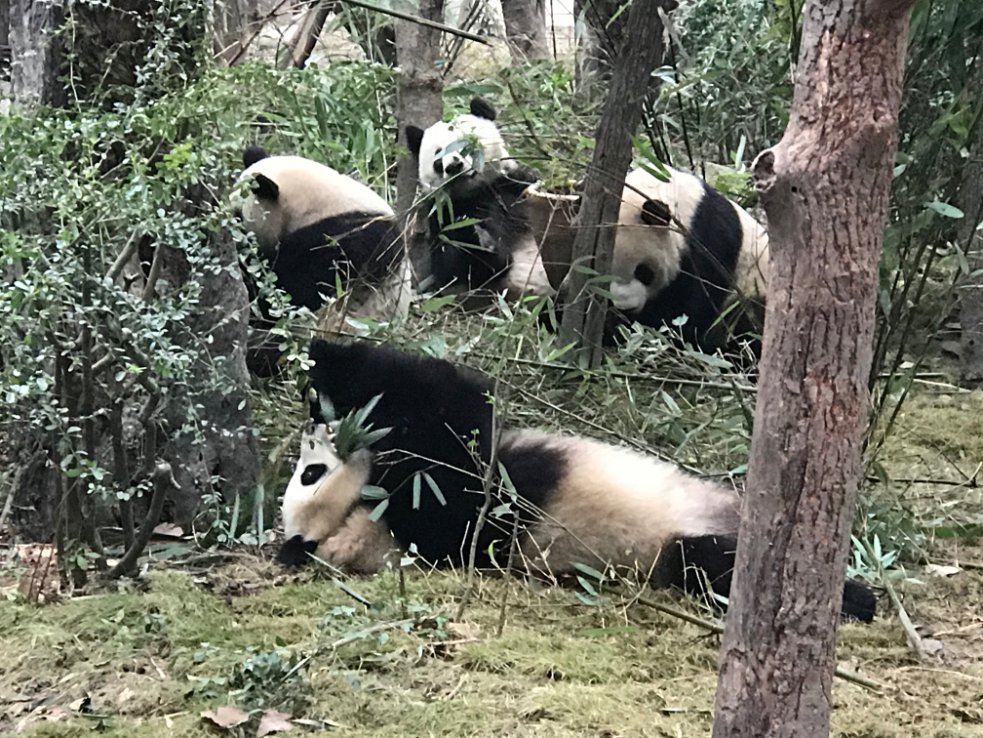
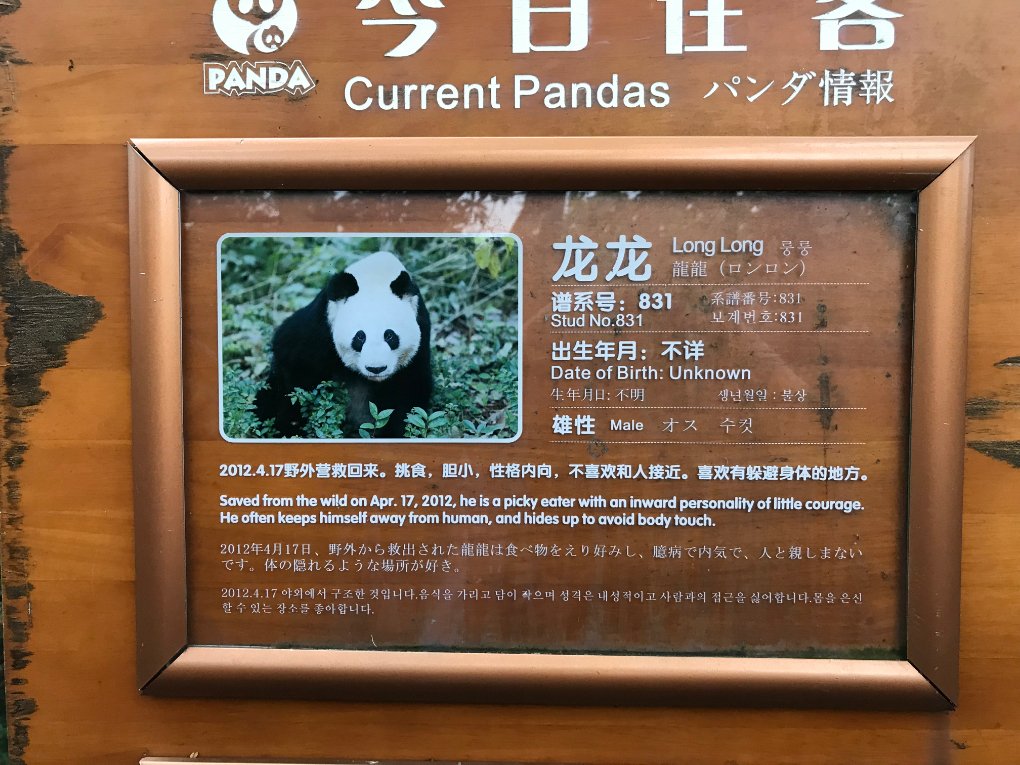
    The pandas are adorable of course, and the name plates describing their personalities were hilarious. 

    IMG_3050

    Part of the entrance to the park. The Kung Fu Panda movie has been integrated into the whole park.

    IMG_3050
    IMG_3050
    IMG_3050
    IMG_3050


    That's all folks! 


  • Comparing Continuous Fermentation in Baijiu with Sour Mash Whiskey and Jamaican Muck Pits

    Another baijiu post yessss! Today I want to think about how the circular fermentation process in baijiu is like and unlike sour mash in whiskey and muck pits in Jamaican rum. 

    Recent posts have been:

    No need to read them all now. 


    As described in this post, in strong aroma baijiu, grains are fermented in earthen pits, distilled as solids, and fermented again in the same pits they came out of. A little bit of new grain is added to each fermentation cycle along with the already-distilled grain. 

    This may sound slightly familiar: in "sour mash" whiskey, some of the post-distillation materials are added to the next fermentation batch. 

    And in Jamaican rum, some distilleries use "muck pits" that are blends of previous stillage fermenting together. Some amount of this is thrown into new fermentation batches. 

    So let's talk about how these are alike and how they may be different. 


    Sour Mash

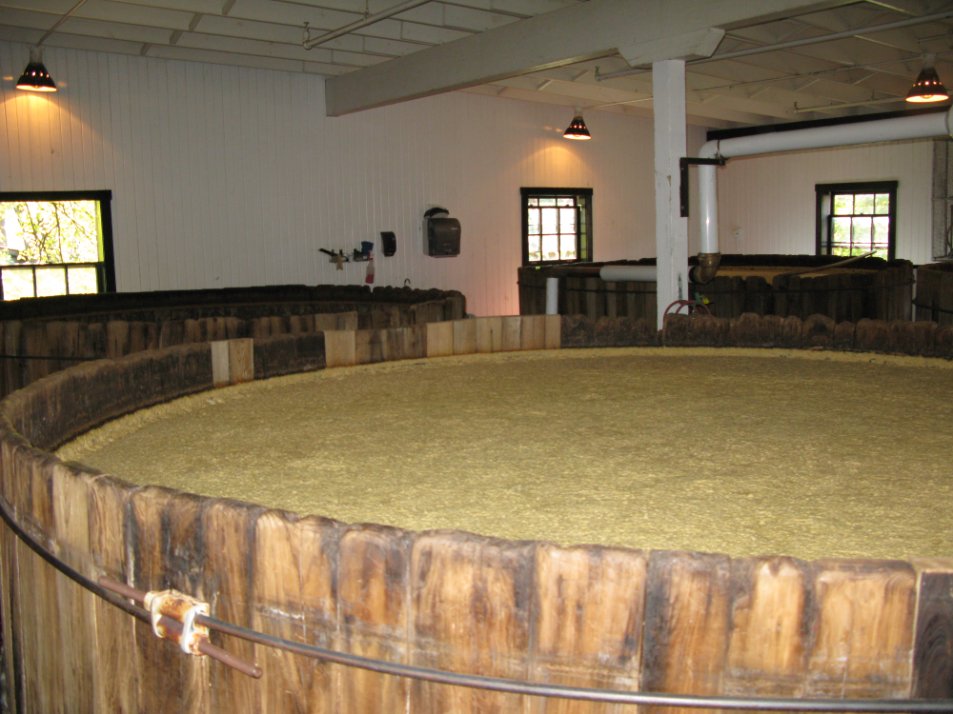
    Frementation vatsI had always heard that sour mashing was done for "consistency between batches" and thought that "sour mash" is like sourdough, where live fermenting material goes into following batches so they're consistent with each other. This turns out not to be the case. 

    Instead, some of the stillage (the leftover liquid in the still after distillation) is added to the next fermentation batch. Because the stillage has just been in a still that is literally boiling hot, there is no live yeast to transfer from one batch to the next. The sour mash is just acidifying the fermentation vessel to adjust the pH for a better fermentation and to prevent bacterial infection. The quantity of stillage used could be considered part of a distillery's recipe. 
     

    Muck Pits

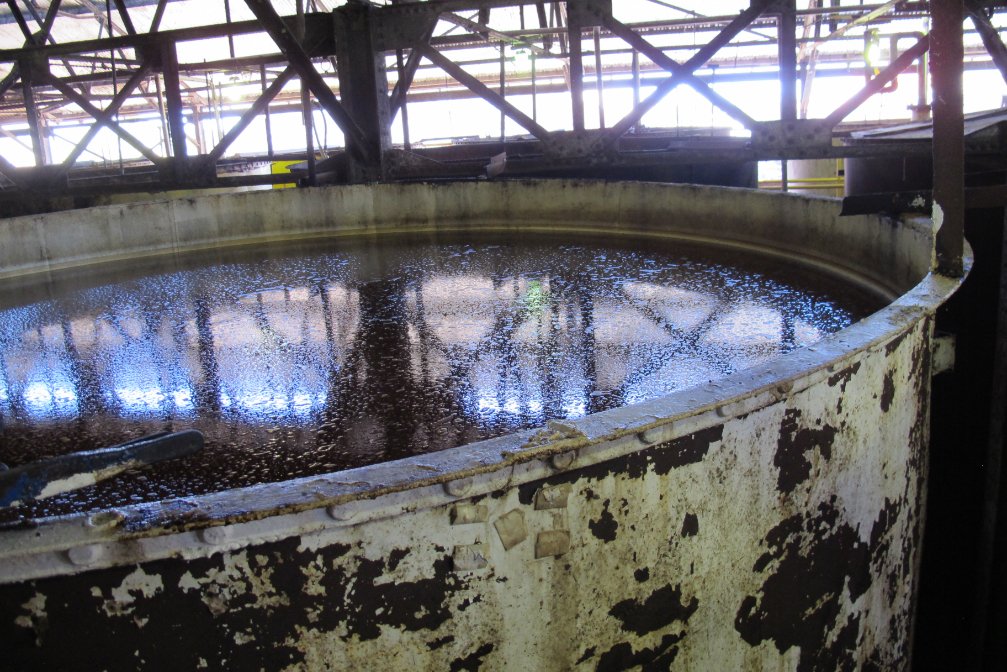
    IMG_4631In some Jamaican rums, the stillage (leftovers after distillation) is called dunder, and it is mixed up with other leftovers of the rum production process into something called muck. 

    From an excellent post on CocktailWonk.com called, "Days of Dunder: Setting the Record Straight on Jamaican Rum’s Mystery Ingredient"

    [Muck is] a giant bolus of bacteria that creates a soup of carboxylic acids…  muck is essentially a biological reactor for generating acids that eventually turn into yummy esters. It’s fed refuse from various parts of the rum production process, and its pH level is carefully nurtured via the addition of marl to keep it in humming along or dormant, as necessary. 

    At the end of fermentation, a portion of muck is tossed in with the fermented molasses and it's distilled together to produce hugely-flavorful rum. Note that unlike in sour mashing, they want to promote bacteria- at least the right bacteria.

    So, here again we have leftover products from the distillation being added to the next batch, but the purpose is to get those bacteria-generated acids into the still. 

    Not only is the muck not just the leftovers of one distillation, some of the core bacteria of it is stored in nerd-famous "muck graves" at some distilleries. CocktailWonk writes in the same blog post:

    So what of these stories about outdoor muck pits in the bare ground? … they do store a semi-solid version of the muck in the ground, as a form of long-term storage for the dormant bacteria. Distilleries commonly start and stop production [and the semi-solid bacteria can be used to restart the muck]. By carefully adjusting the pH of the muck, it can be put into a semi-stable state, where it can be stored in an earthen pit. … the pit is slightly bigger than the size of a human grave.


    1,000-Year Pit, 10,000-Year Mash

    IMG_2715The name for the process of repeat fermentation in baijiu is "1,000-year pit, 10,000-year mash." I was confused by the phrasing: how could the mash (the fermenting material) be older than the pit that the mash is fermented in? But it was explained to me that 10,000 years basically means "forever" or "endless" So we could rephrase "1,000-year pit, 10,000-year mash" as something like "ancient pit, endless mash." It speaks to the endless cycle of always using some of the previous distillation run in the next fermentation. 

    So as with sour mash and muck, some of the stuff comes out of the still and goes into the next fermentation (in strong aroma baijiu, it's all of the stuff that comes out of the still). 

    Like muck, qu  (the fermentation agent for baijiu made up of mold, yeast, and bacteria) contains flavor-creating bacteria that distillers want to impact their beverage. But it's not the only place that bacteria come into contact with the fermenting mash. Because the fermentation takes place in earthen pits and covered with mud, the dirt and mud is a home to bacteria from all the previous batches as well- thus the continuity. Sort of like a muck pit.  But in this case, that bacteria is present throughout the fermentation, and no doubt that's the reason the pits are covered and sealed rather than left open to ferment as with other spirits. 


    Different Places

    Now, there are other cracks and crannies in distillation where bacteria can live and have multi-batch impacts on the resulting distillates.

    Many distilleries are very proud of their wooden fermentation vats, rather than using stainless steel. Like the mud pits and muck pits, bacteria could technically live on between batches of whatever is being fermented. 

    Olmeca altos tahona2In a recent story for The Daily Beast, Wayne Curtis wondered if the volcanic tahona stones that are sometimes used to crush agave before fermentation might harbor bacteria as well. He writes:

    Another factor possibly in play: microbes. Volcanic stones are semi-porous, hard to clean, and can serve as a home to microorganisms, which in theory could make their way into the fermentation process and influence flavors. Camarena doesn’t rule out microbial influence. “I don’t know,” he says. “We’re dealing with microorganisms floating around here, and nothing gets sterilized.”

    “Fantasy,” argues Rodriguez. “Here at Patrón, we do an intensive cleaning process from batch to batch. Our yeast and production process are what is responsible for the flavors of Patrón tequila.”

    I suppose there could be other pieces of equipment, containers, and tools harboring helpful bacteria in various spirit production around the world.

    To what extent each may impact the final flavor of the individual distillate I don't know, but it's fun to compare common practices across categories. 


  • How to Drink Baijiu

    This is yet another post about baijiu. Today we'll cover how to drink it. 

    For those following along, my previous posts on baijiu from my trip to the Luzhou Laojiao distillery, which makes the 1573 National Cellar and Ming River brands, are: 

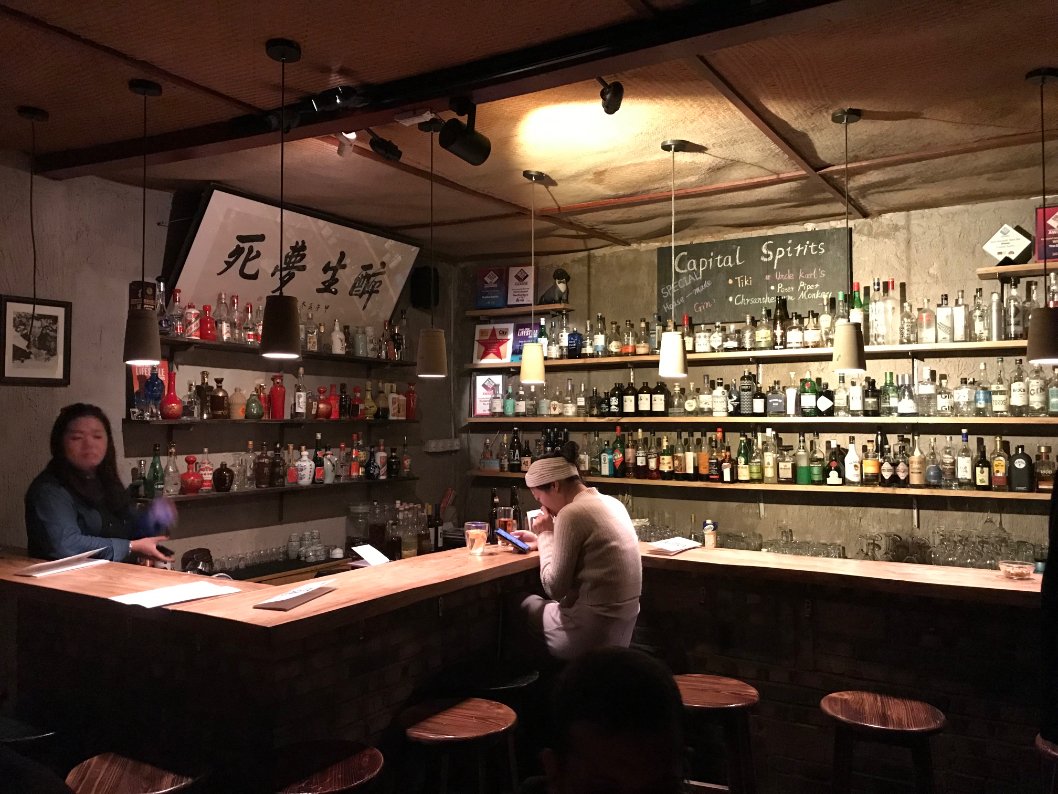
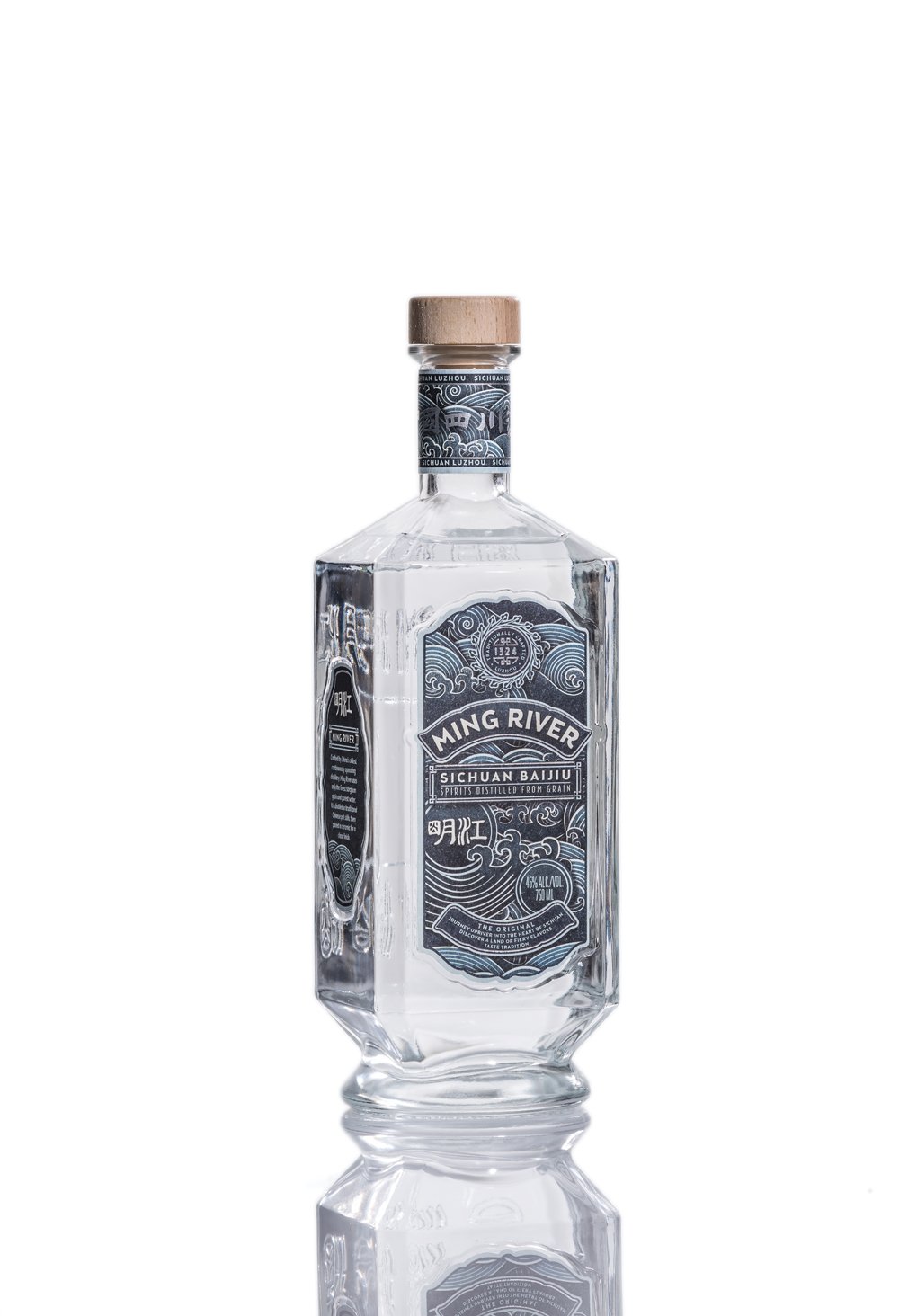
    The Ming River baijiu brand, which was developed for the export market (US and Germany currently, I believe) was created by an American baijiu writer/author, plus three founders of a bar in Beijing called Capital Spirits.

    Capital Spirits was the world's first bar dedicated to baijiu. This wouldn't seem to make sense, given that almost 13 billion liters of baijiu are purchased every year, more than vodka and whisky combined. But in China, people don't go to bars to drink baijiu; they go to restaurants. If I remember what I learned on my trip correctly, it's rare to find baijiu by the glass, even in a hotel bar. You buy a bottle and you and your guests finish the whole thing. Baijiu cocktails in China? So not a thing, except at Capital Spirits. 

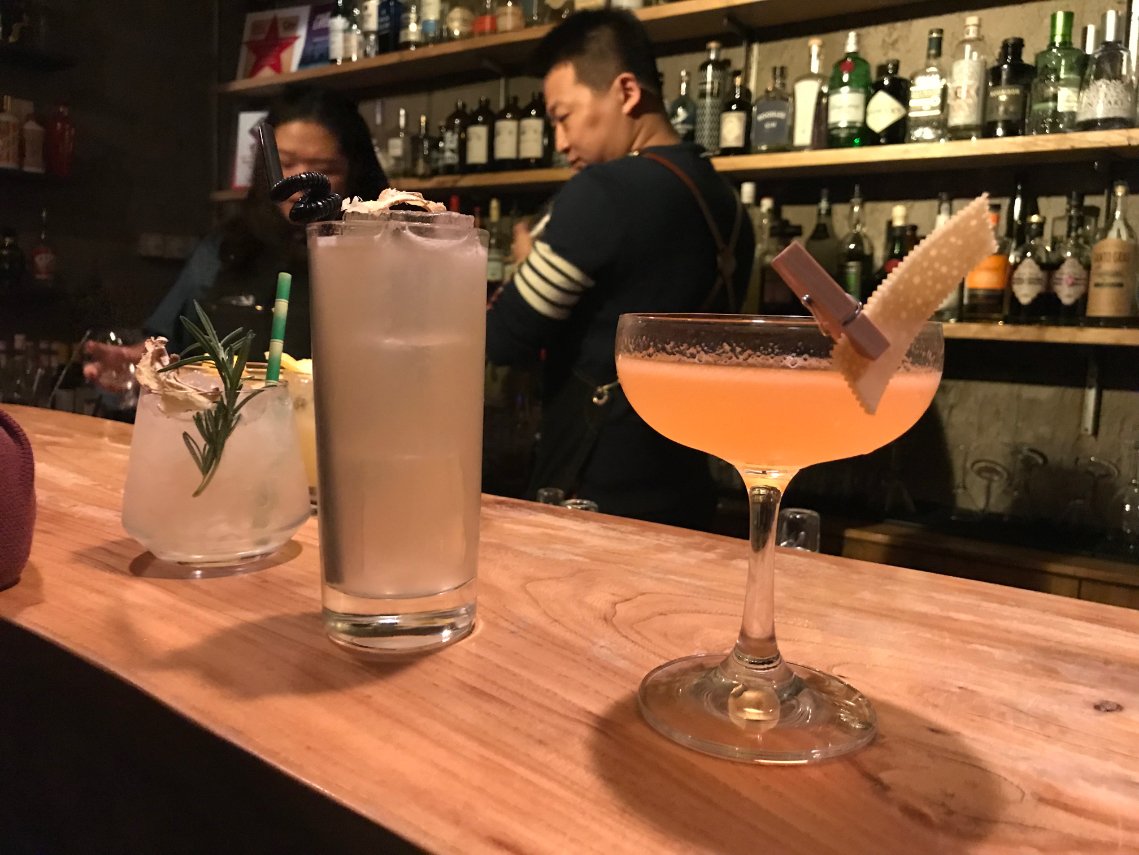
    The bar is located on a nearly-unlit back street in Beijing, with no clear signage (perhaps none at all). If you plan to go, do your research. It's a little bar with a big selection of baijiu and other spirits. They offer baijiu tasting flights as well as baijiu cocktails. We tried… kind of a lot of them and they do a great job. 
    I passed on the snake wine. 

    IMG_2590
    IMG_2590
    IMG_2590
    IMG_2590


    Drinking Baijiu With Food

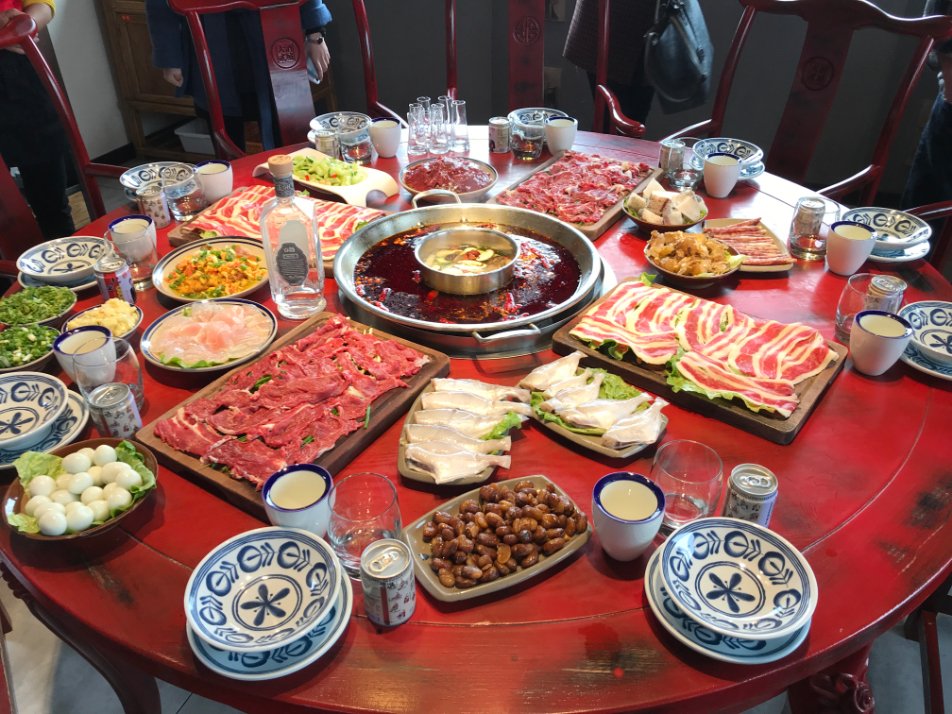
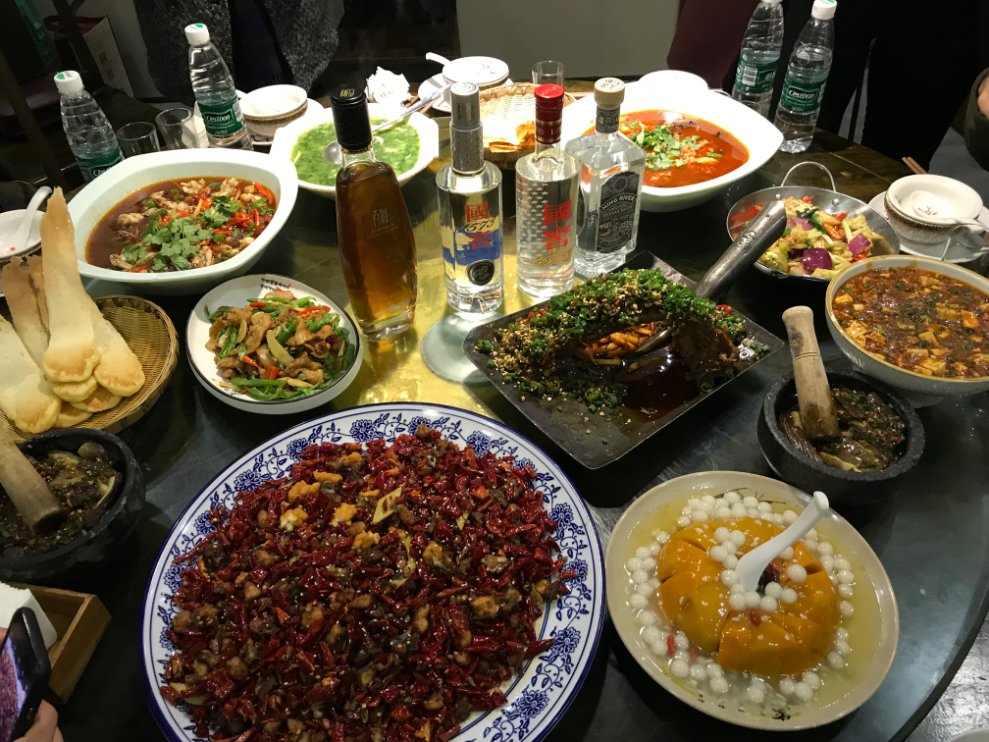
    In China, people drink baijiu with dinner, sitting family style around a lazy susan table that rotates. It's consumed in tiny shots at room temperature, often in a toast to another person or the whole table. The DrinkBaijiu.com site has a guide to the common practices and traditions for drinking baijiu this way. 

    Most countries don't have a tradition of drinking spirits with food, just as aperitifs and digestifs, so this is definitely something new for most people. But it was so much fun. 

    Here are some food pictures from a couple of my meals. As a vegetarian I don't eat about 90% of this stuff, but just looking at these photos makes me very, very thirsty. 

    IMG_3038IMG_3038
    IMG_3038Spicy!

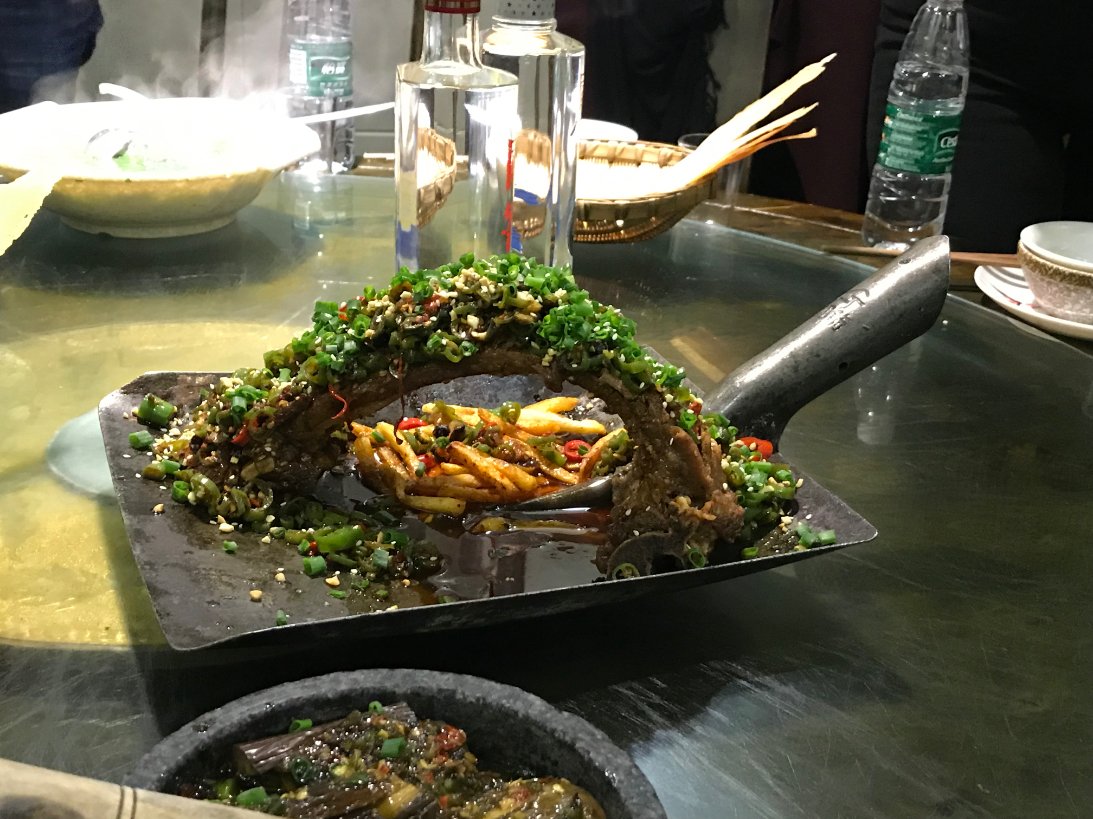
    IMG_3038Yes of course that's a dish served on a shovel. 


    I was visiting the distillery in the Sichuan province, so naturally we were eating Sichuan food the whole time. It was often, but not always, quite spicy. Baijiu, with its often creamy, cheesy finish is an excellent pairing with spicy food. 

    For the many of us who've tried baijiu on its own, it can seem explosively huge in flavor, but if you've just had a mouthful of some rich and spicy Chinese food it makes so much more sense.

    I think I'm going to explore trying baijiu with other spicy foods to see how it pairs. Flaming Hot Cheetos, here I come. 


  • The Four Most Common Styles of Chinese Baijiu

    In this post, I'm going to combine some material from different places. Previous posts have been: 

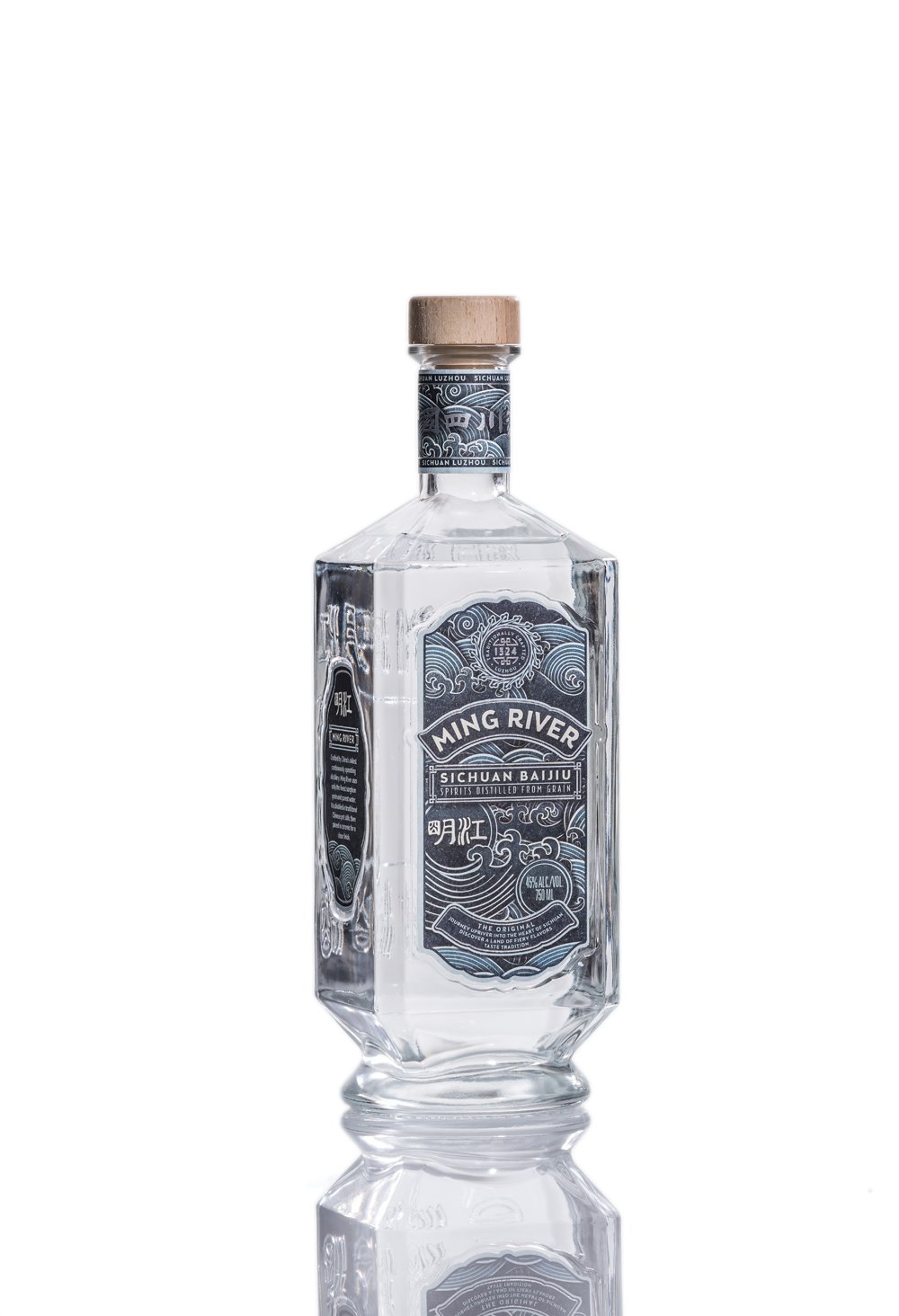
    Ming River Baijiu Bottle _518_61 smallerThere are at least 12 recognized categories of baijiu, distilled liquor from China: Strong aroma, light aroma, sauce aroma, and rice aroma. Strong aroma makes about 75% of the market, and these four categories in total make up about 90% of the baijiu market. Other categories are mostly combination of these four categories. 

    In this post, I'm going to outright steal content from the Ming River Baijiu website, and combine it with fermentation/distillation information that I wrote about in my previous post "Repetitive and Continuous Fermentation and Distillation in Baijiu." 

    If you haven't read previous posts, just know that qu is the combination of yeast, mold, and bacteria that breaks down grains and ferments them at the same time. It is used in all baijiu. You can read more about qu in this post if you'd like. 

    The first paragraph in each of the below descriptions comes from the Ming River website, and the rest of it comes from me. 


    Light Aroma Baijiu

    Light-aroma baijiu is most popular in northern China. It is made from sorghum and sometimes uses qu made from barley and peas. It is fermented in stone pots or pits, and it is best known for short production cycles with minimal aging periods. It has a light body with floral notes and the mellow sweetness of dried fruit.

    There are two types of light aroma baijiu. In the simplest, erguotou, the sorghum grains are steamed, fermented, and distilled just once. For fenjiu, new rice husks are added to the pot still along with fermented sorghum grains. After the first distillation the fermented/distilled grains and new rice husks are fermented again (fresh qu is added) to extract more alcohol from the mash.  Each of the distillation runs are stored (and probably aged) separately.


    Strong Aroma Baijiu

    20181015113247_4534Strong-aroma baijiu is popular throughout China, but most closely associated with Sichuan Province. It uses wheat qu and continuous fermentation in earthen pits. It is distilled from sorghum, sometimes in combination with other grains. It is notable for a robust body with notes of tropical fruit, anise and pepper.

    In strong aroma baijiu, there is no production cycle that ends at a certain point, as in the other baijiu categories – it is endless. At each distillation, new grains (sorghum alone or a mixture of other grains) is added to the still along with fermented grains. After distillation, the grains are taken out of the still, put back into the fermentation pits with more qu, and refermented. Then it's redistilled with some fresh grains, refermented, and on and on.

    Ming River baijiu is strong aroma baijiu, made at the Luzhou Laojiao distillery where the flagship product is 1573 National Cellar. 


    Sauce Aroma Baijiu

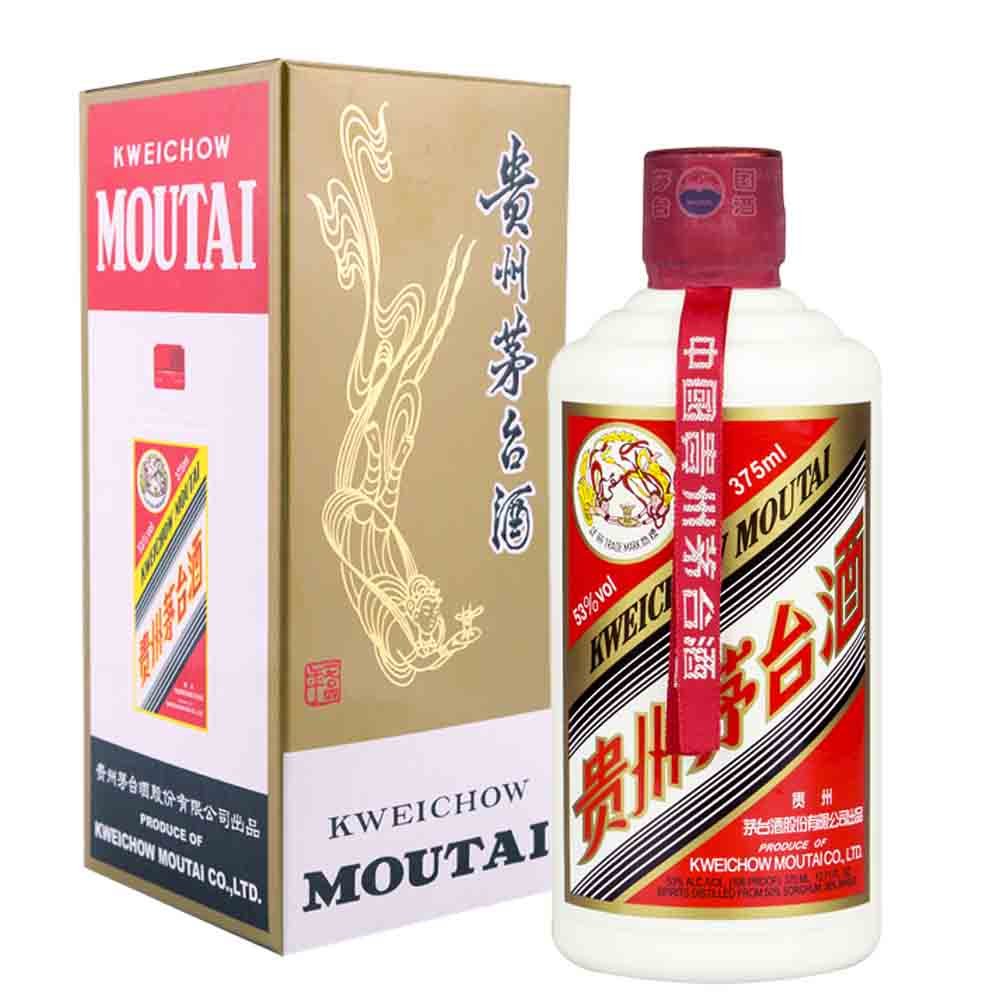
    Maotai-375-1Sauce-aroma baijiu, as in soy sauce, comes from Guizhou Province and is made from sorghum fermented in pits lined with stone bricks. Its mash is fermented and distilled eight times in the course of a year. The flavor is rich and umami, with notes of mushroom, caramel and bitter herbs.

    We're talking about Moutai here. For sauce aroma baijiu there are 8 cycles of fermentation and distillation, but only a few of the cycles get new grains added. Sorghum is first steamed,  then fermented in mud-sealed pits for a month. After fermentation, equal parts fermented sorghum and new unfermented sorghum are distilled, and then the solids are refermented. This is then distilled a second time with fresh grains added to the still. From this point on the mash continues to be refermented after distillation with additional qu, but no new grains are added. The same mash is being fermented and distilled over and over. 

    The whole production cycle takes one year to complete- and then the spirit is aged (each distillation run separately) and blended. Compare that to say vodka, which ferments a couple days then can be distilled and bottled and the whole thing done within a week. 


    Rice Aroma Baijiu

    Rice-aroma baijiu is associated with southeastern China, particularly Guangdong and Guangxi provinces. It is distilled from rice fermented with rice-based small qu. Unique to this category is the occasional use of continuous distillation. It has a light body similar to vodka, with notes of flowers and honey.

    Rice is steamed, fermented, and distilled in either pot or now in continuous stills. This is closest to other spirits without the repeat fermentation described above.


  • A Visit to the Luzhou Laojiao Baijiu Distillery in China

    I lied in the title of this post. It should be called "A Visit to One of the Luzhou Laojiao Baijiu Distilleries," because they operate 36 of them! If you haven't been following along on my series of posts about baijiu, here are the ones I've done so far: 

    The last post was the first real introduction to "strong aroma" baijiu, which is the specialty of Luzhou Laojiao. I'll touch on it again on this one. 

    Luzhou Laojiao makes the flagship 1573 baijiu, aka National Cellar 1573.  They also make the new product Ming River Baijiu that was developed for the export market. I visited the distillery on behalf of Ming River. 

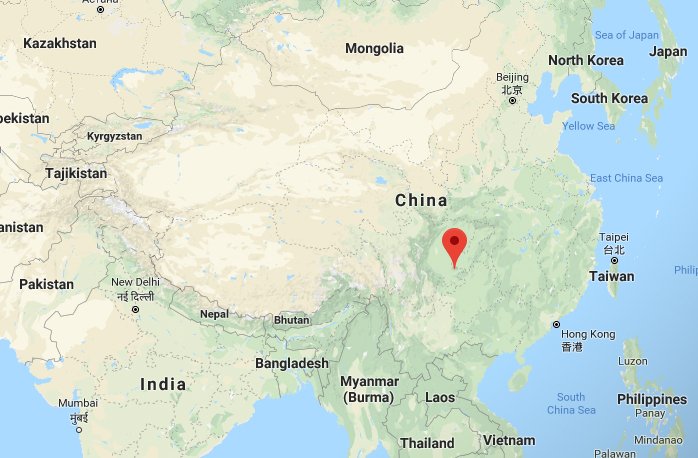
    Luzhou, the city, is located along the Yangtze River in the Sichuan Province. 

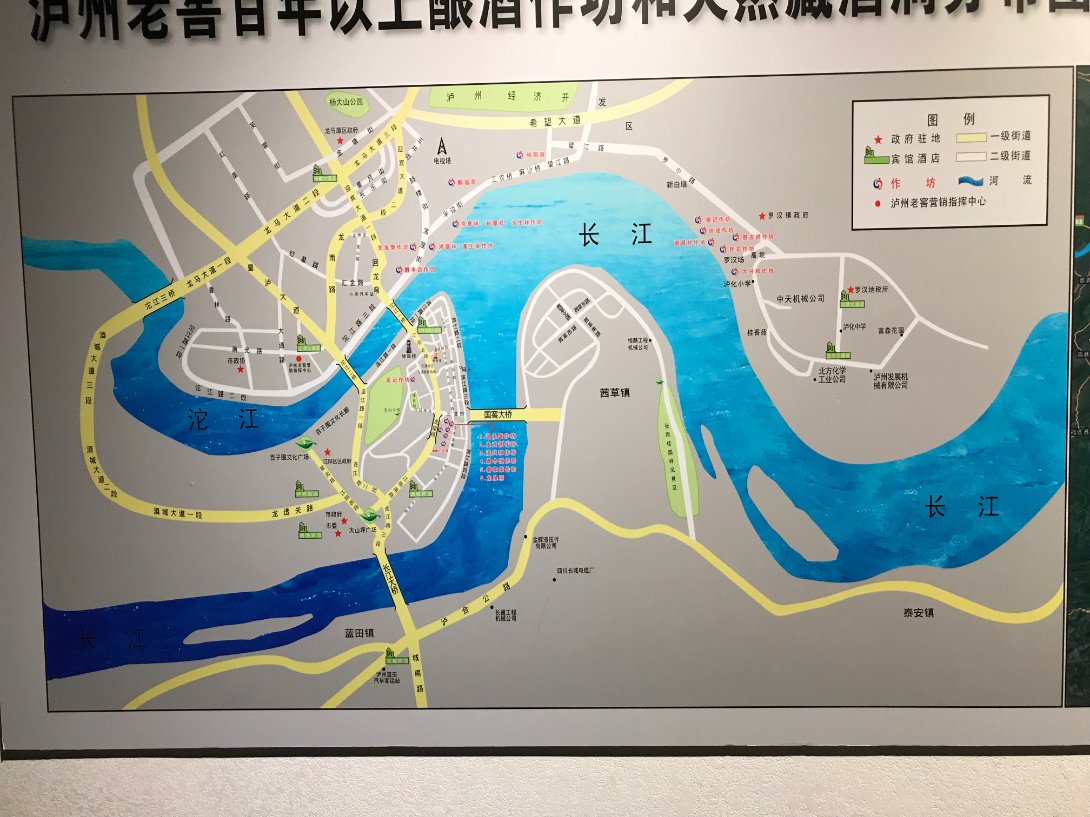
    Luzhou map


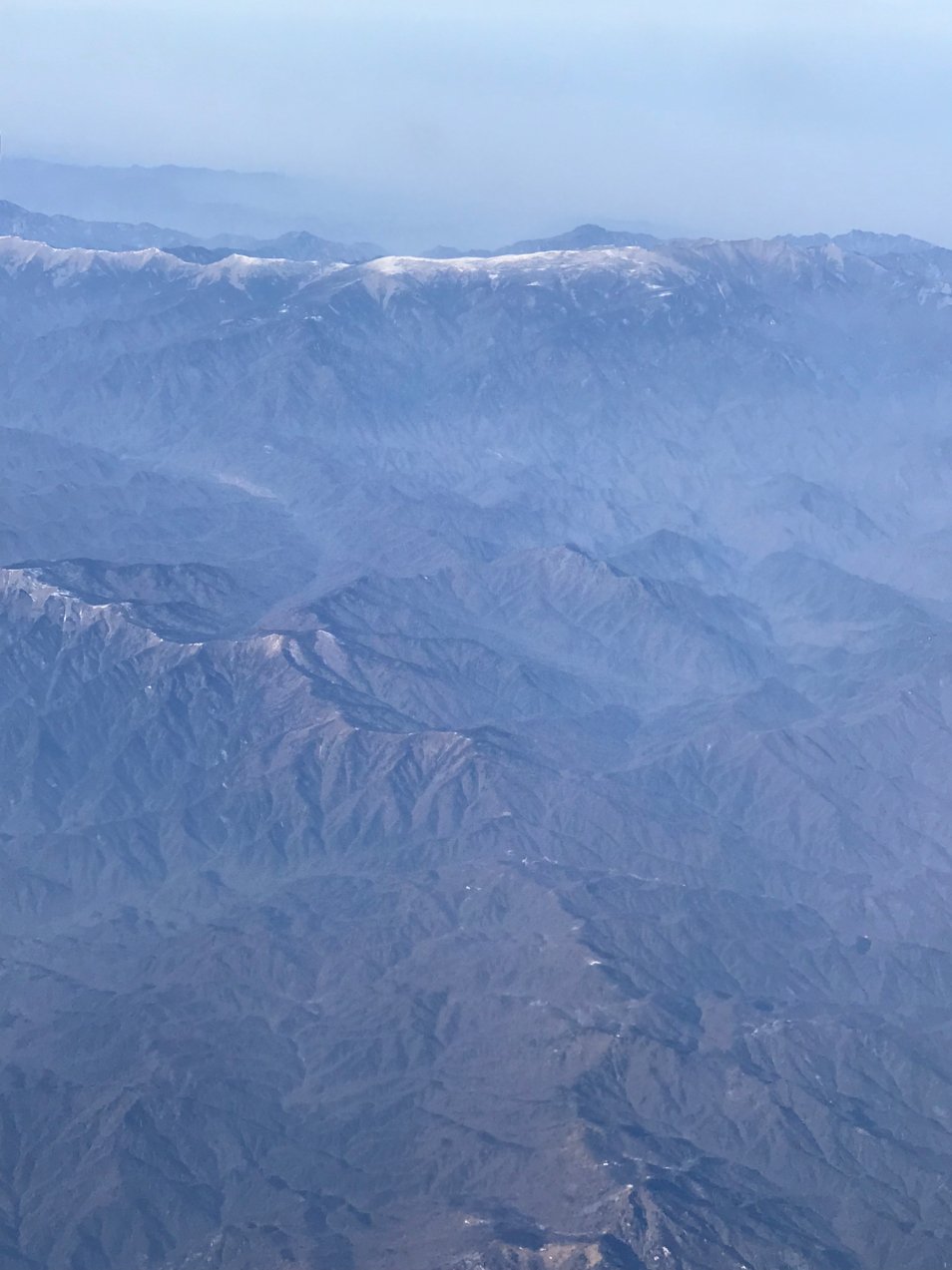
    We flew in from Beijing, passing over the most magnificent dramatic mountain scenery. I took about 100 photos on the plane ride over the three or so hours. It looked like the below photo for about 80% of the flight. Majestic.  

    IMG_2628


    The first distillery we visited, which is the one open to the public, has been operating since 1573. They say the city grew up around the distillery and I can definitely see that – the facility seemed tucked around a corner in the heart of the city with a highway nearly running over it, yet somewhere on-site they had additional workshops (distilleries) and an aging cave cut into the hillside.


    IMG_2972This is the visitor's center and cafe.  The highway is to the top left. 

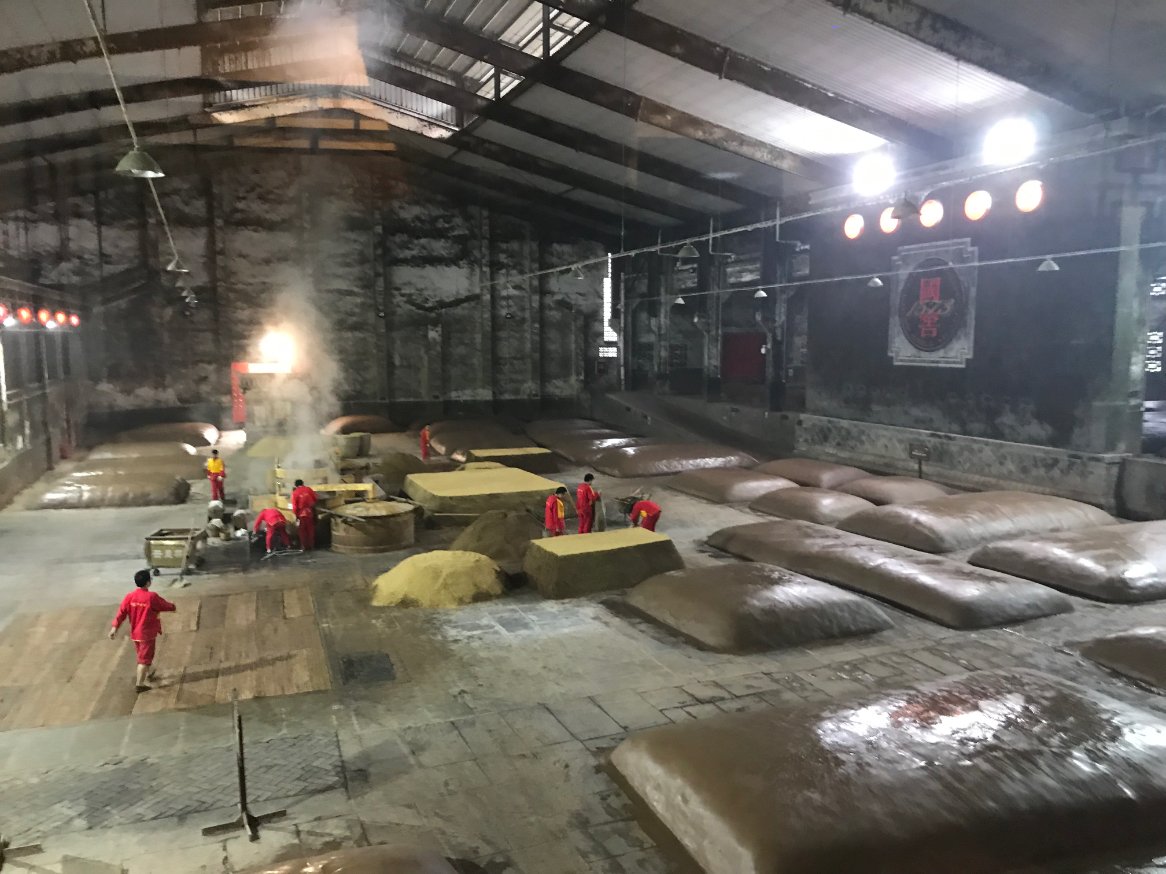
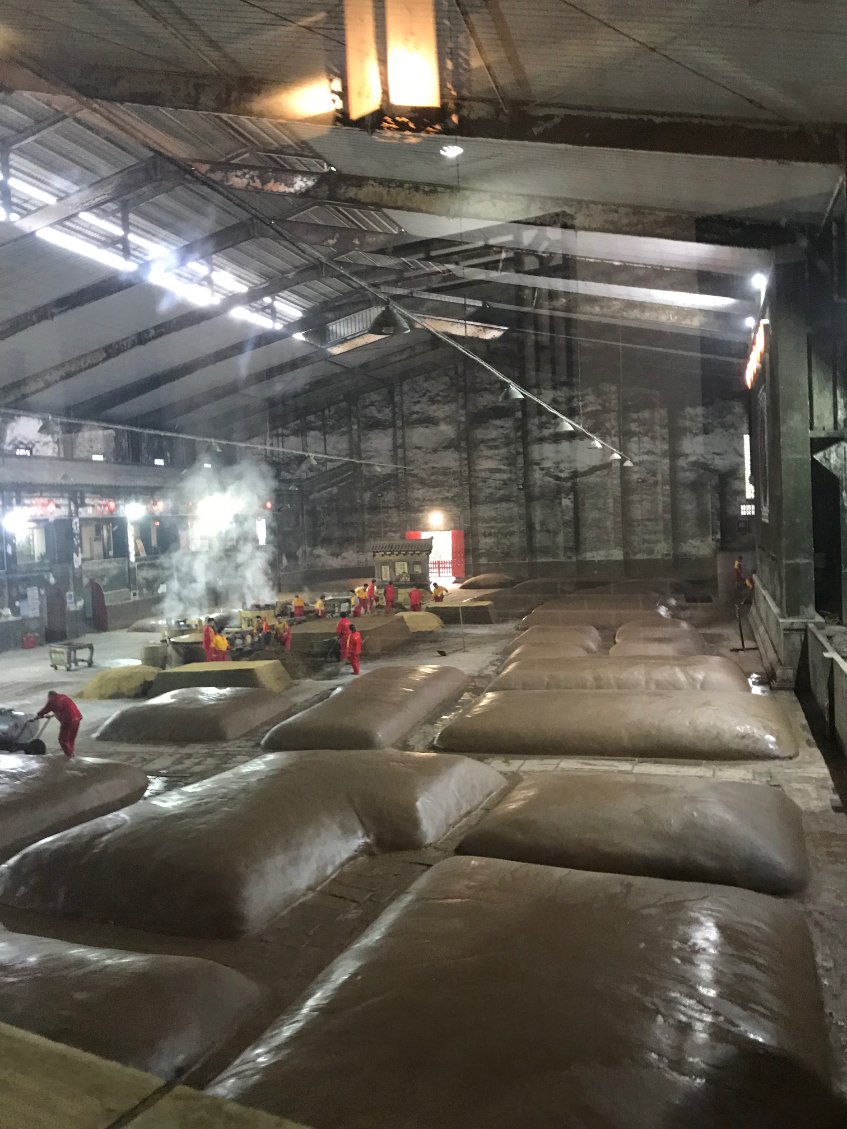
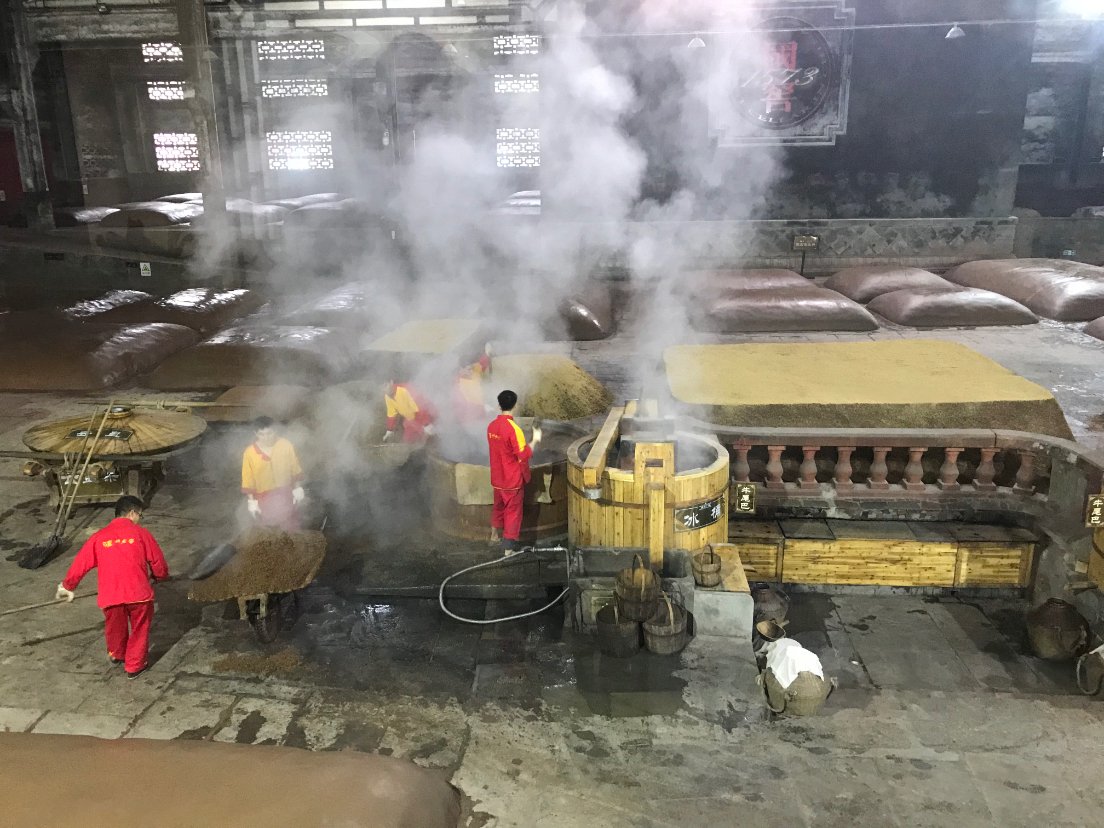
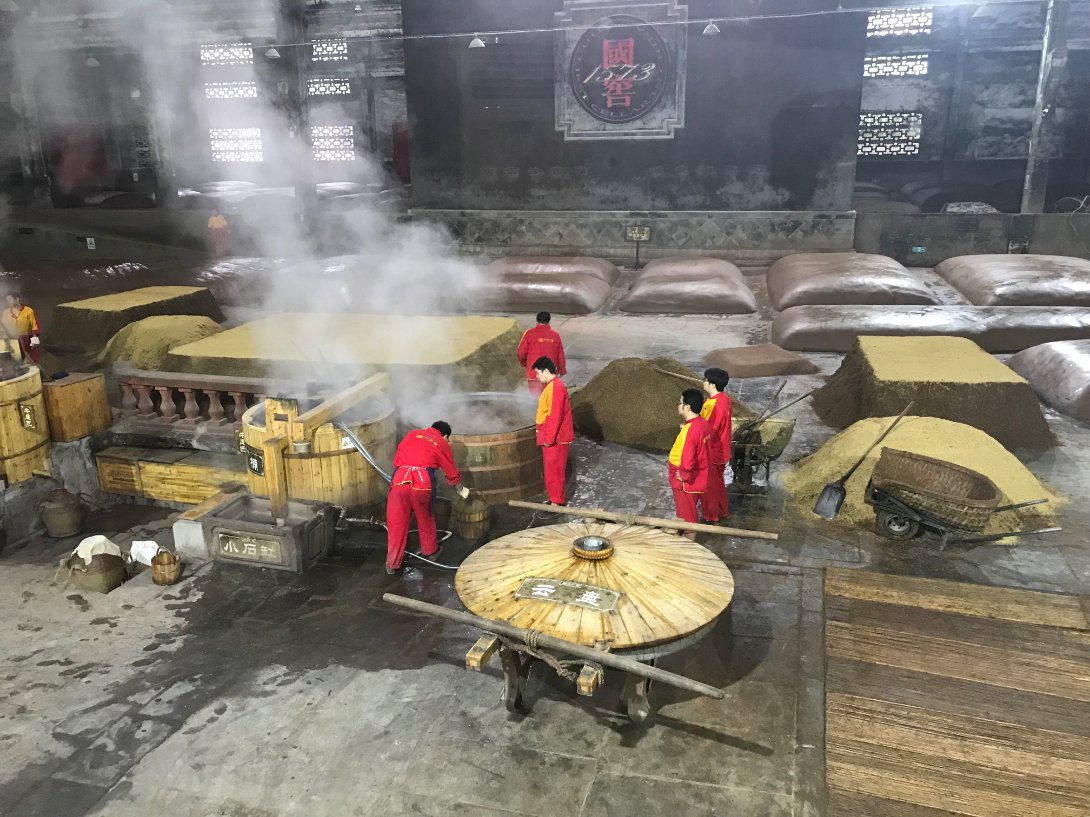
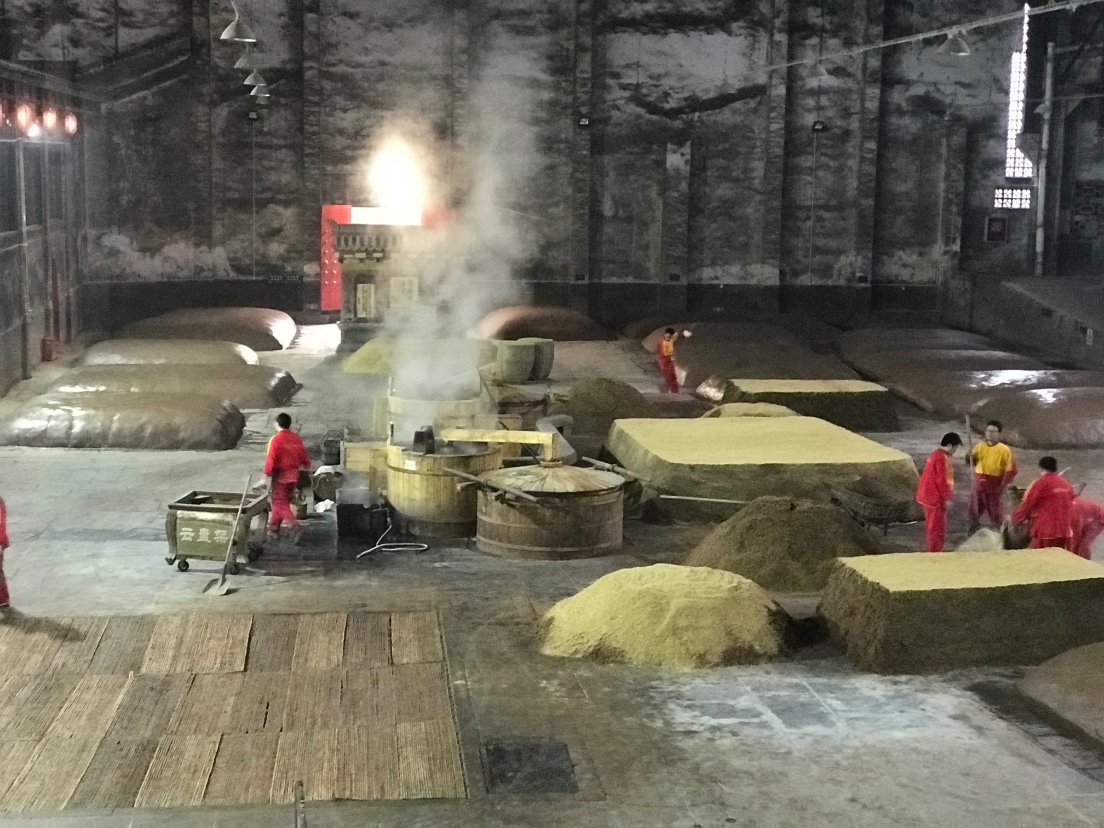
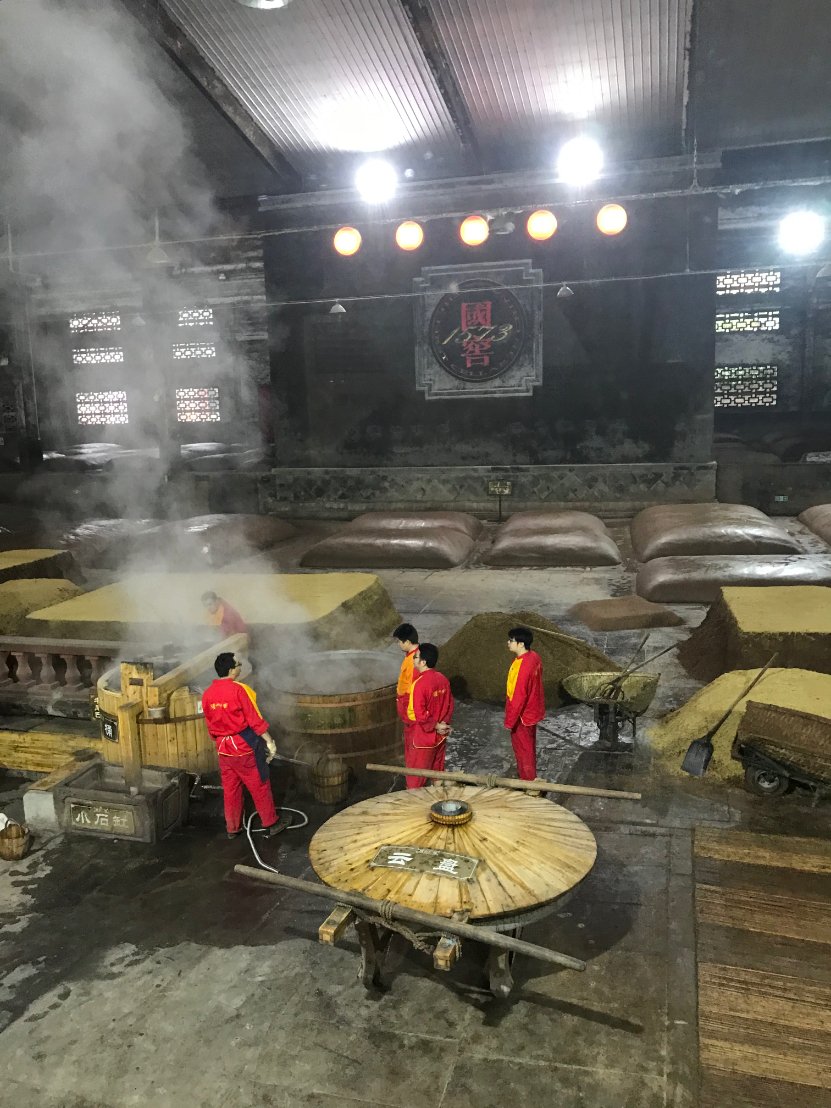
    The part of the facility open to tours is a huge warehouse. Tours walk around two sides of it, watching production below through glass windows. In this facility, everything is done by hand. With 36 distilleries to choose from, naturally the company allows tours only of the oldest – more modern machinery is used at others. 

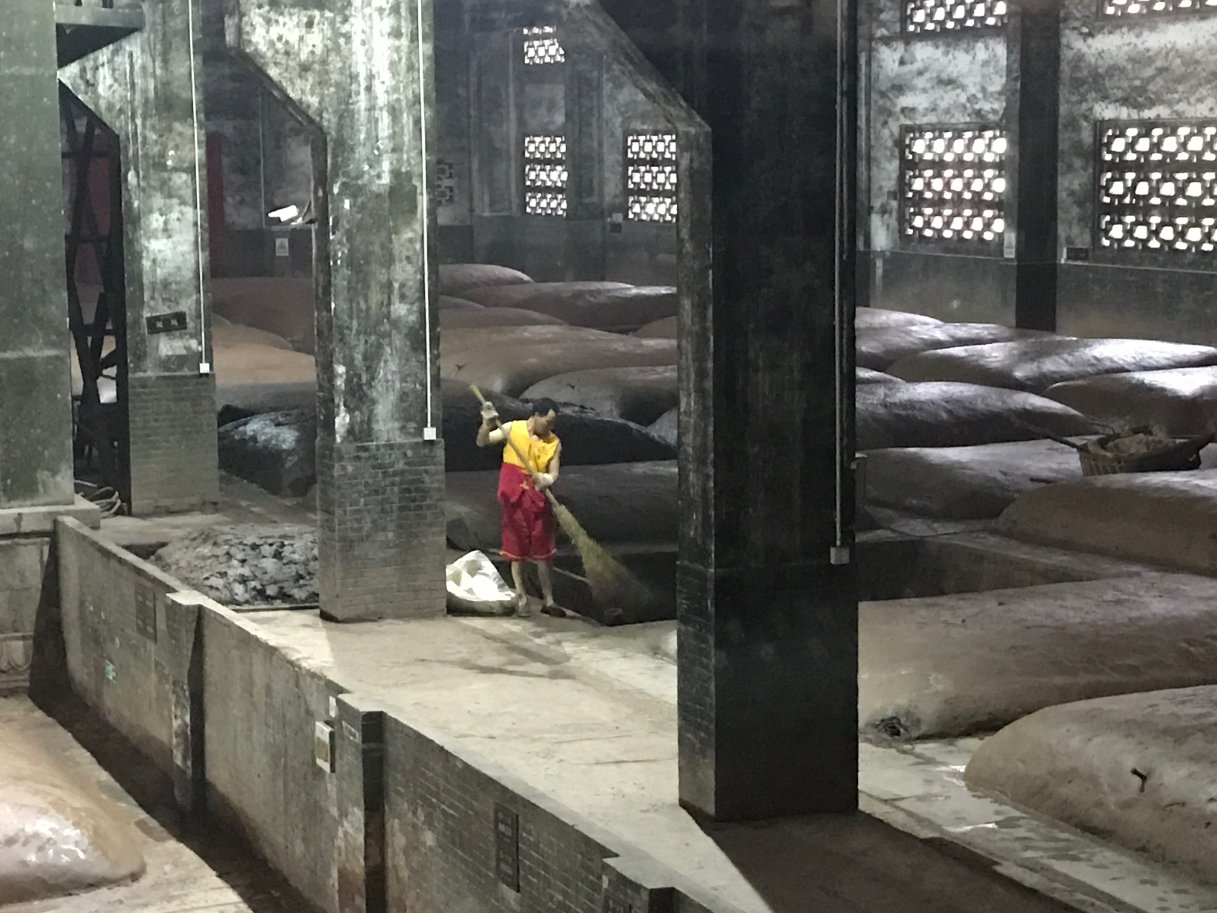
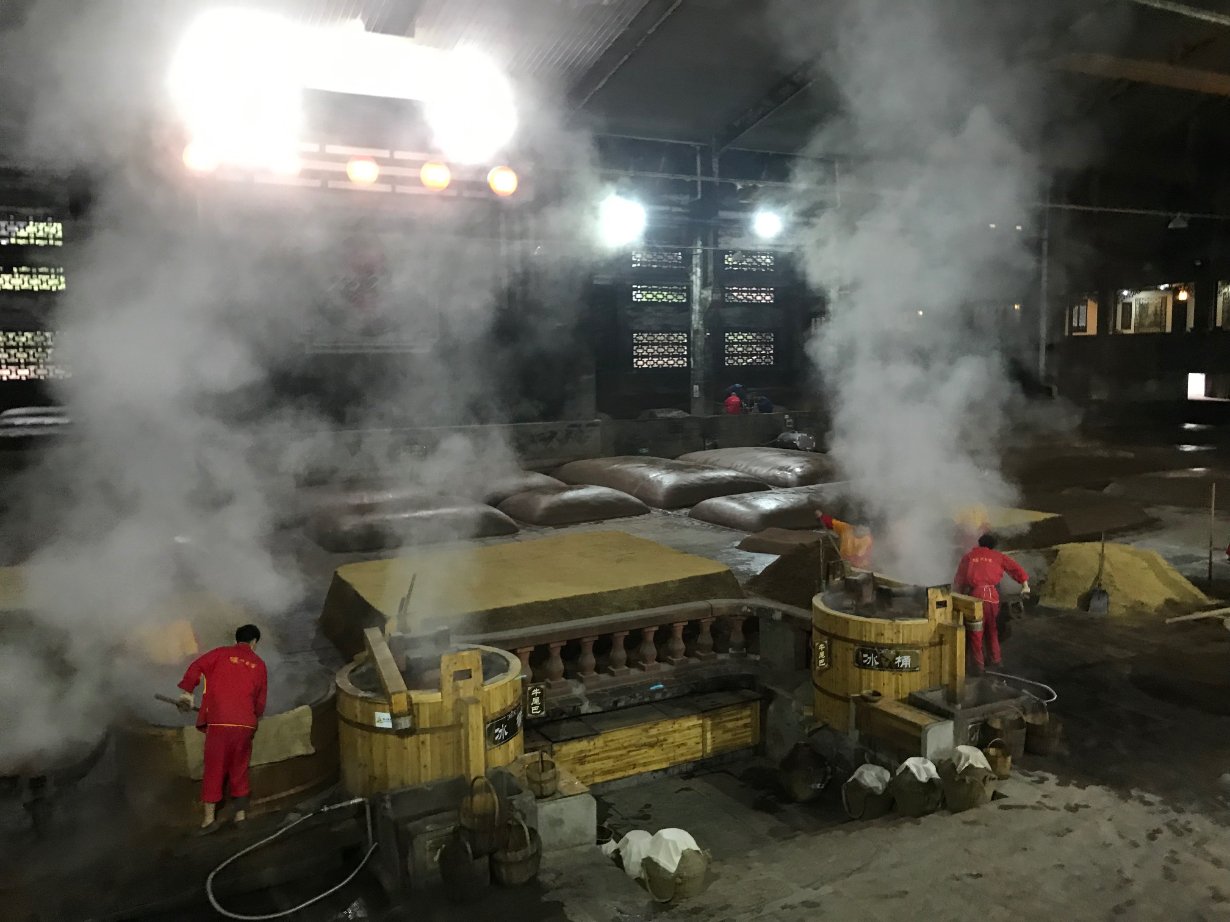
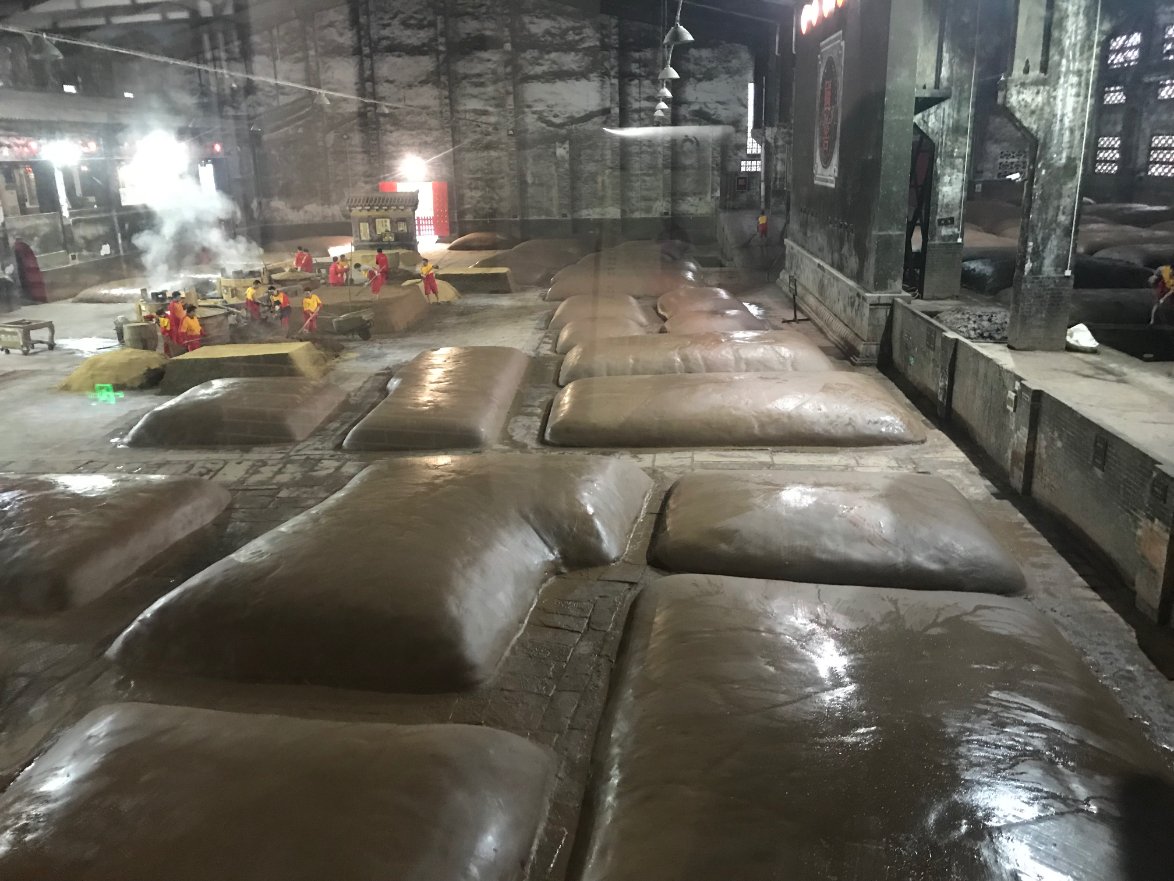
    As you can see in the below pictures, the room is covered with mud mounds and central pot stills. The mud mounds are all actually square pits dug into the ground. They're filled with grains and qu (yeast, mold, and bacteria) and ferment as solids in the pits. They're filled to overflowing so that they look like mounds, then covered with a layer of mud to seal them. 

    The mud on top of the pits is sprinkled with some distillate (probably tails) to keep it moist, and thus sealed against oxygen so that the fermenting grains don't turn into vinegar. As mentioned in a previous post, when fermentation is completed in 3-4 months (most of the year, but can be up to 6 months in winter), the grains partially collapse and the top of the pits sag. Then it's time to dig them up and distill them. 

    IMG_2743
    IMG_2743


    All of the pits on site are at least 200 years old, with 4 of them dating to 1573. (Some but not all distillate in the 1573 brand is made in these pits.) They've been in continuous operation all that time, since that's the unique aspect of strong aroma baijiu. The Luzhou Laojiao company owns over 10,000 fermentation pits(!) in 36 "workshops" (distilleries). 1619 of their pits are over 100 years old. 

    Unlike other spirits where the bragging rights are on the length of time the spirit spends aging, in strong aroma baijiu the bragging rights are on the age of the fermentation pits. 


    Distilling

    The stills here hold 1000 kg of grains per load, which produces 50 liters of baijiu at 68%, which is then watered down before bottling (not sure about before aging).   

    Our group was super lucky and was able to see a second distillery on the same site, not open to tourists. We don't have permission to share pictures from that distillery, which is a real shame because it was incredible and we were able to walk among the pits and speak with the distiller. Not sure how long we were supposed to be in there but we lingered more than an hour and we saw an entire distillation cycle. 

    In this second, smaller facility, there were 21 pits and just one still in the room. They told us that each pit holds enough fermenting grain to make 14 distillation runs – so they dig up a pit that's finished fermenting, and it takes them 14 distillation cycles to process it all before the grains are put back into the same pit with some new grains to ferment again. 

    In strong aroma baijiu, there is a single distillation. The distiller said the heads cuts are at about 72% and the heart is 68% – same as in the public distillery. 

    IMG_2777
    IMG_2777
    IMG_2777Here you can see that the distiller is using a pitchfork to pull the grains out of the still after distillation, and loading them onto a wheelbarrow. It's all done by hand at this distillery. 

    IMG_2777In the foreground is the top of the still temporarily off the still base so that it can be unloaded and reloaded. The four pits in the back are the ones dating to the year 1573.


    Each distillation cycle takes only about 1 hour, but the distiller said that it's really only 10-15 minutes of distillation (!) to extract the alcohol. After that's done, they toss buckets of water onto the grains in the still and the remaining time is for the gelatinization of the unfermented grains that were mixed in with the fermented grains. [see the previous post to learn about the continuous fermentation process.]

    So if they ran continuously, each pit would take about 14 hours to distill, plus time to shovel the grains in and out of the still, which is done by hand.  


    Aging facility 

    We also visited one of the aging facilities. This one was a series of tunnels dug into the base of a mountain. The tunnels were once the homes of bandits, then they were used as bomb shelters in the war with Japan, then they became food storage facilities. They've been used to age baijiu for more than 50 years now. 

    We weren't able to take pictures inside the caves due to dangers of explosion- in fact we had to touch a static electricity removal machine on the way in. This mountain is located near the convergence of two rivers and the rocks are porous, allowing for a stable temperature and humidity conditions year-round inside.

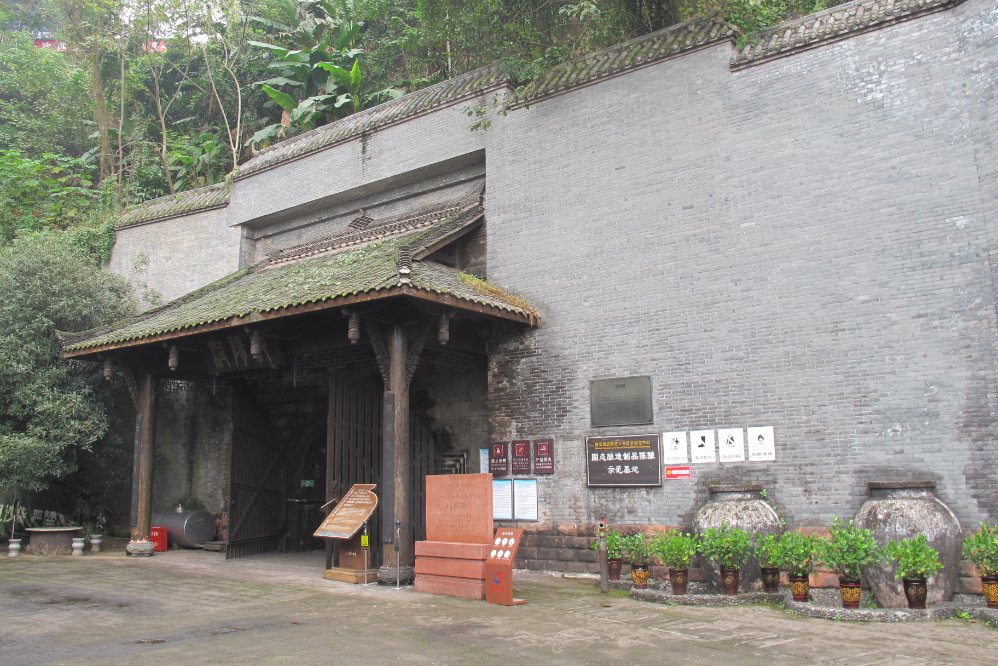
    IMG_5975The entrance to the aging tunnels in the mountain. 

    IMG_5975

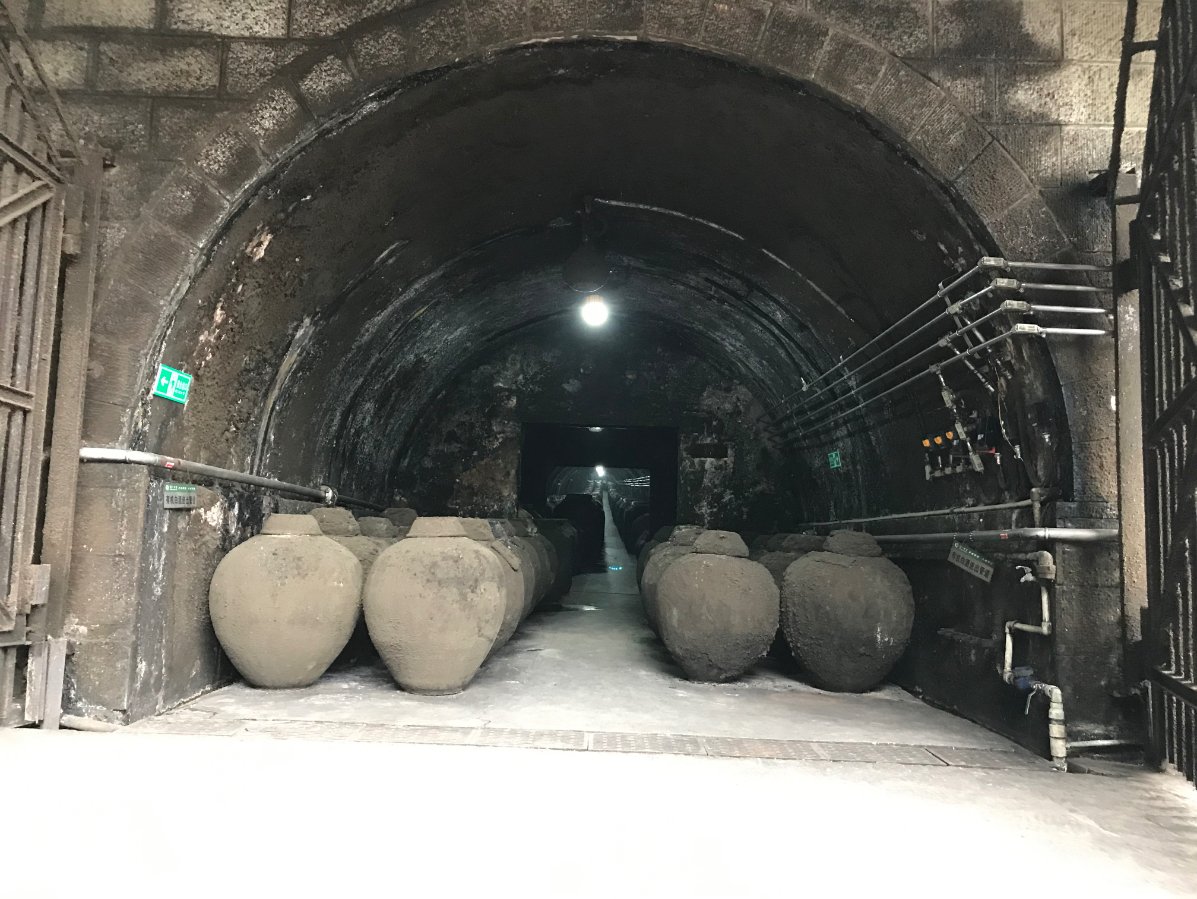
    The entrance to the tunnels. Smaller, older aging vessels are at the front. You can see the ones on the right are shaggy with mold. The pipes are used to move liquids in and out.  

    IMG_5975

    Zooming in on the entrance, you can see the larger vessels begin after the arch. The tunnels go wayyyy back. 


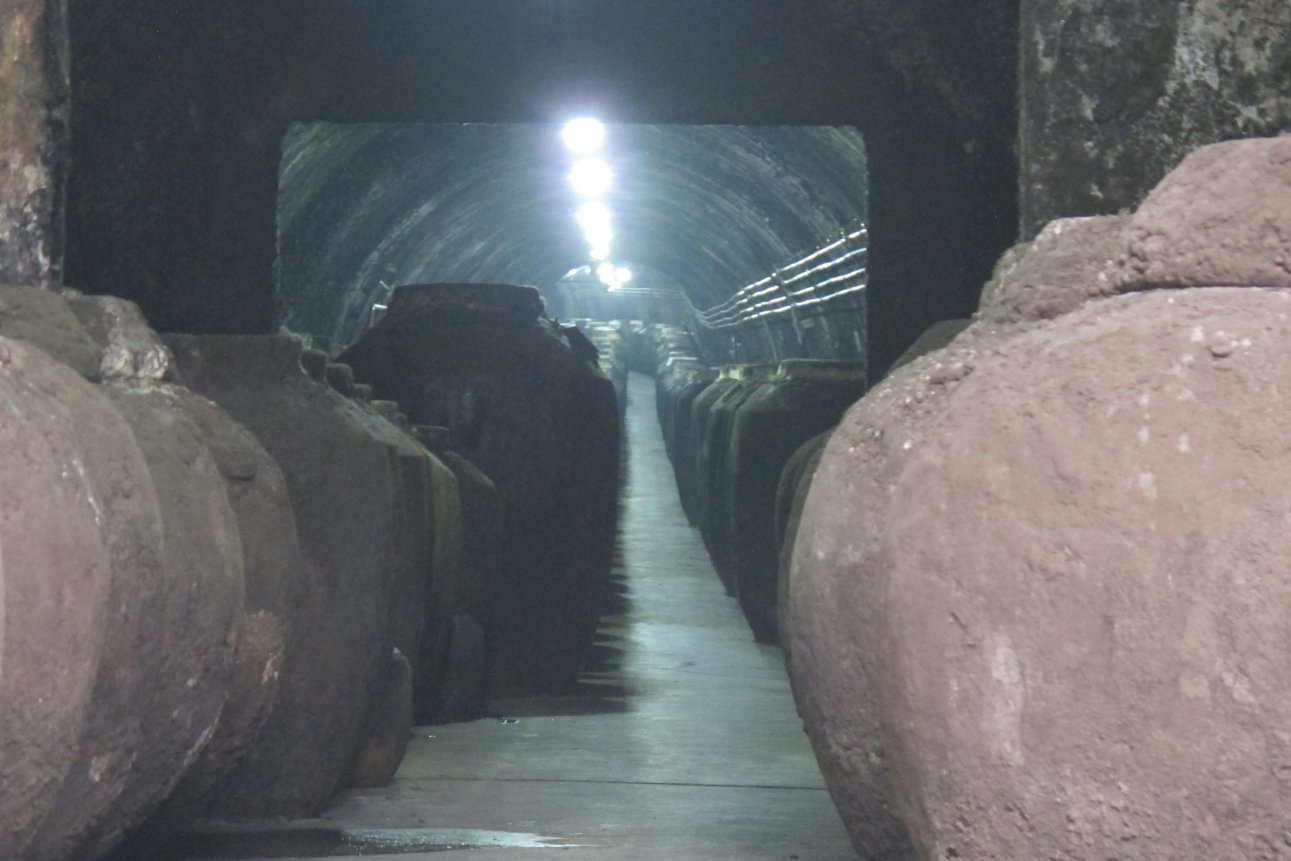
    In these caves were stored many thousands of large terracotta vessels that are about 5 feet tall. Each one of the standard size vessels inside holds 1000 liters (about $500,000 worth of baijiu). These tunnels were three pots wide and seemed to go far into the mountain – we walked into one tunnel then took an interior loop and back out the same entrance. Luzhou Laojiao has about 7 km of tunnels held in three different aging caves. One of them is located on the site of the distillery we visited earlier.

    The vessels were covered in black flaky mold that looks like peeling paint. The dripping ceilings in the interior of the tunnels washes away some of the mold. The vessels are covered at the top with a paper that is waterproof so that the alcohol inside won't become diluted with drops from the ceiling, but it is breathable to let alcoholic vapors evaporate. 

    The vessels visible at the front of the tunnel are aging baijiu for the longest amount of time, some 50 to 60 years. They have thicker mold on the outside than the interior vessels. 

    The vessels are not moved to empty and fill them, but baijiu is pumped into them. 

    According to Derek Sandhaus, three things are happening during aging:

    • Oxidation of aldehydes
    • Evaporation of higher alcohols 
    • Concentration of flavor via the angel's share, which is only about .8 to 1 percent ethanol and about .5% total volume per year. 

    I forgot to ask if the baijiu is diluted at all before aging. 


    Blending

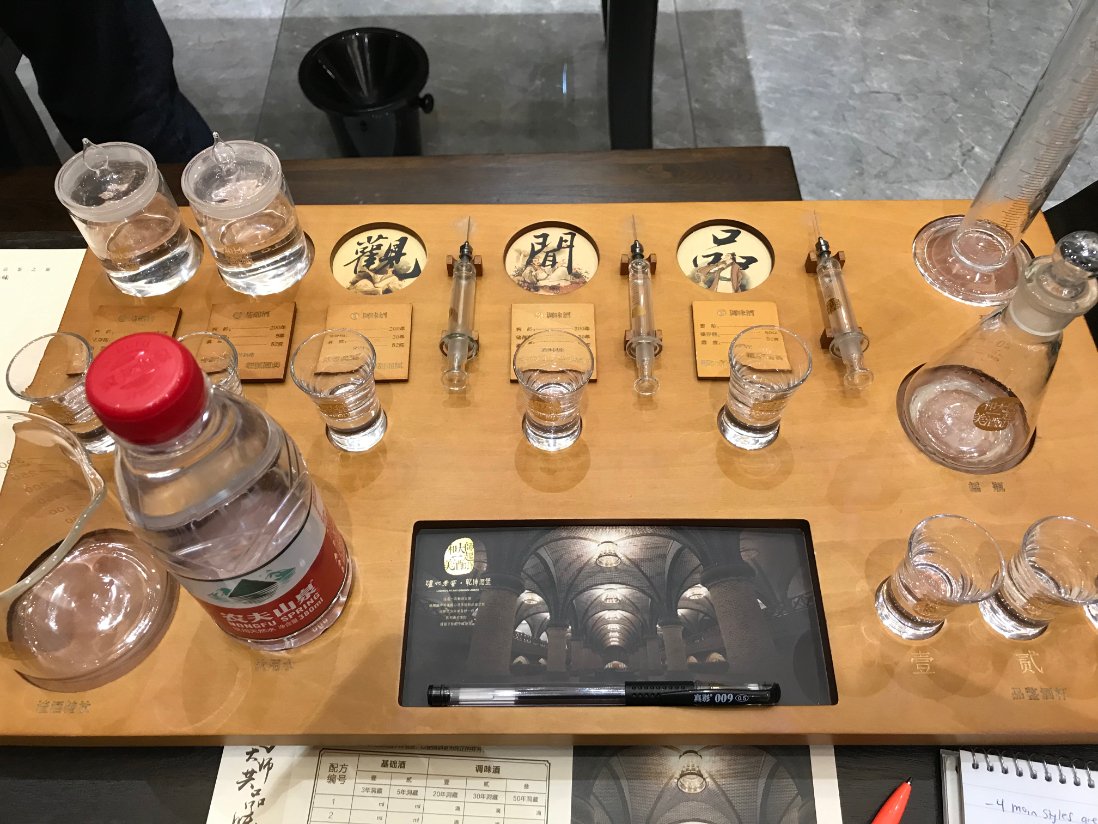
    After aging in terracotta containers, the baijiu is blended. We headed to another facility that looked like corporate offices and meeting center to have a session with the master blender of Ming River Baijiu. She is the next in line to be master blender of all of Luzhou Laojiao. 


    IMG_3045


    We did a little blending exercise where we added a base of younger baijiu with mere drops of baijiu aged up to 50 years (out of the syringes). It was dramatic what a tiny bit of long-aged baijiu could provide -deep, farm/barn earthy musty base notes. 

    At the blending exercise they told us about the legacy of master blenders at Luzhou Laojiao. They consider the first to be the creator of "big qu" baijiu in the 1300s, and a later one to be the inventor of the pit fermentation method/strong aroma baijiu in the 1400s. A later blender was the founder of the pits at the distillery dating to 1573. 

    One final note about filtration: According to our hosts, baijiu isn't chill filtered or charcoal filtered (at least Ming River is not); only a particle filter is used. 


    Stay tuned for more baijiu content, I'm not done yet! 


  • Repetitive and Continuous Fermentation and Distillation in Baijiu

    Okay, so far in baijiu we've talked about: 

    As mentioned in the qu and fermentation post, one unique aspect of baijiu is that it uses qu to saccharify and ferment grains at the same time. Another is that they distilling solids in a still that works like a bamboo steamer, rather than liquids.

    (One thing I'll mention in case I forget later: Most baijiu is distilled just one time in a pot still, yet it reaches 70% ABV. This is achieved because the grain solids in the still act like tiny rectification plates as the alcohol passes through the solid mass!)

    Now we're going to talk another unique aspect of baijiu: repeat cycles of fermentation and distillation. 


      Region of Origin Grains Fermentation Qu Distillation Aging
    Strong Aroma Sichuan Single (sorghum) or Mixed Grains Earthen pits, continuous fermentation Big qu, Wheat-based Pot stills Ceramic or sometimes stainless steel
    Light Aroma Northern China + Taiwan Sorghum + rice husks Stone jars Big qu, barley + peas Post stills, Erguotou second pot head, or Fenjiu (twice fermented/distilled)  
    Sauce Aroma Southern Sichuan/Moutai Sorghum Stone brick-lined pits, 8 cycles of fermentation and distillation, also piled Wheat 8 cycles of fermentation and distillation  Ceramic urns, 3 years minimum
    Rice Aroma Southeastern China Rice + glutinous rice Stone jars Small rice qu, with optional medicinal herbs Sometimes in continuous stills Limestone caves, in ceramic jars, sometimes infused


    The grains to be fermented are first steamed to gelatinize them – to break the cell walls so that they're ready for saccharification (breaking down complex carbs into smaller fermentable sugars) and fermentation by qu. What tool do baijiu distilleries have to use as a steamer? The same steamer-style stills they use for distillation. 

    Okay this is tough to wrap your head around, but here goes: 

    If everything were operating in a clear linear path it would look like this:

    New grains steamed in pot still –> Grains fermented in pits/jars –> Fermented grains distilled in pot still

    But that would be far too simple for baijiu!  What they do, for certain styles of baijiu, is throw some of the new, unfermented grains into the still with the previous distillation run. This way, alcohol is being distilled out at the same time as some new, unfermented grains are being gelatinized. Our distillation is accomplishing two separate tasks on fermented vs unfermented grains.

    So after distillation you have your alcohol that you distilled off, with leftover solids in the still that are a combination of grains that had already been fermented/distilled and some that have not yet been fermented. What do you do with those solids? Add more qu and ferment the whole thing again. 

    New unfermented grains steamed in pot still along with fermented grains to be distilled –> Both previously distilled grains and previously-unfermented grains fermented in pits/jars –> Repeat distillation, adding more new unfermented grains to the fermented grains


    This cycle could go on forever, and that's just what happens in the category of strong aroma baijiu. Keep reading.


    IMG_2747In this picture I took at the Luzhou Laojiao distillery, we can see sealed fermentation pits with the wet mud on top of them, and piles of what appear to be new grains, previously distilled grains, and previously distilled grains with qu sprinkled on top. The round bamboo steamer-looking thing is the pot still. 


    Let's go through the four main styles of baijiu to see how each style approaches this differently (this information is my interpretation of what I've learned from Baijiu: The Essential Guide to Chinese Spirits by Derek Sandhaus):

    Rice Aroma Baijiu: Rice is steamed, fermented, and distilled in either pot or now in continuous stills. This is closest to other spirits without the repeat fermentation described above.


    Light Aroma Baijiu: There are two types of light aroma baijiu. In the simplest, erguotou, the sorghum grains are steamed, fermented, and distilled just once. For fenjiu, new rice husks are added to the pot still along with fermented sorghum grains. After the first distillation the fermented/distilled grains and new rice husks are fermented again (fresh qu is added) to extract more alcohol from the mash.  Each of the distillation runs are stored (and probably aged) separately.

    (note: I don't think rice husks themselves actually ferment or add anything much to the distillation except for volume. Rice husks are used in various parts of baijiu production as filler, sealer, to demarcate layers in fermentation, etc.)


    Sauce Aroma Baijiu: We're talking about Moutai here. For sauce aroma baijiu there are 8 cycles of fermentation and distillation, but only a few of the cycles get new grains added.

    Sorghum is first steamed,  then fermented in mud-sealed pits for a month. After fermentation, equal parts fermented sorghum and new unfermented sorghum are distilled, and then the solids are refermented. This is then distilled a second time with fresh grains added to the still. From this point on the mash continues to be refermented after distillation with additional qu, but no new grains are added. The same mash is being fermented and distilled over and over. (The Australian website for Moutai describes the process as, "9 distillation sessions, 8 filtration sessions, 7 fermentation sessions and numerous maturation and blending traditions" so I'm not exactly sure how the math works.)

     The whole production cycle takes one year to complete- and then the spirit is aged (each distillation run separately) and blended. Compare that to say vodka, which ferments a couple days then can be distilled and bottled and the whole thing done within a week. 

    Strong Aroma Baijiu: In strong aroma baijiu, there is no production cycle that ends at a certain point, as in the other baijiu categories mentioned above – it is endless. At each distillation, new grains (sorghum alone or a mixture of other grains) is added to the still along with fermented grains. After distillation, the grains are taken out of the still, put back into the fermentation pits with more qu (I believe that they always go back into the same pit they came out of), and refermented. Then it's redistilled with some fresh grains, refermented, and on and on.

    In fact, the goal is to have the fermentation pits that have been in continuous use the longest. As the qu contains bacteria along with the yeast and mold, the pit linings and the mud covering the pit builds up these microorganisms, supposedly leading to a fuller, deeper, more complex flavor in the resulting alcohol after aging. (Rum nerds will see the connection to muck pits here.) "Old pits" are a minimum of 30 years in continuous use.

    Luzhou Laojiao, the distillery I visited, has a total of 1619 fermentation pits that have been in continuous operation for more than 100 years

    Four of those pits have been in continuous operation since 1573, as in 446 years

    Kind of a big deal. 

    IMG_2756The still is in the foreground with the top off. In the back center we can see four small squarish mud-covered pits. Those are the ones in use since 1573. 


  • Baijiu Backgrounder: A Brief History Lesson

    In previous posts, we've covered Baijiu Production in Relation to Other SpiritsRegional Differences in Baijiu Style and Production, and  Baijiu Production: Qu and Fermentation.

    I realized I should take a step back and talk briefly about how baijiu developed and where it stands today. This information was gathered from the book Baijiu: The Essential Guide to Chinese Spirits by Derek Sandhaus and from my trip to the Luzhou Laojiao distillery in Luzhou where Ming River Baijiu is produced. 

    IMG_5946One interesting (but honestly not super relevant to the rest of this post) fact that stood out to me (as I'm doing some global drink history research) is that in other ancient cultures, people drank alcohol (beer, wine, and later spirits mixed into water) because drinking water was generally unsafe. I just finished the book Drink: A Cultural History of Alcohol and it's full of hilarious insults directed at "water drinkers." In China, however, there was less of a need for the disinfecting power of alcohol because people drank boiled water and tea. 

    In more relevant information, the development of qu, the cluster of grains inoculated with yeast, bacteria, and mold I wrote about in my last post, dates back to the Han Dynasty of 206BC-220AD. Alcohol made from qu is called jiu and grain beer made with qu is called huangjiu ('yellow alcohol'). Until baijiu was modernized, huangjiu was considered a more premier beverage. Today you can still purchase huangjiu in China.

    Distillation technology was probably imported to China from the Middle East or the Mongols (anywhere from 960 to 1368), and the word 'baijiu' simply means 'white alcohol' (distilled alcohol). 

    Ming River Baijiu Bottle _518_61 smallerMany thousands of small distilleries existed (and apparently more than 10,000 still exist!) in China, making spirits with regional grains. When the communists took power beginning in 1949, they nationalized, industrialized, and upgraded the technology in the industry: proper techniques were codified (having been mostly house secrets at each distillery previous) and quality control was upgraded. Individual distilleries were formed into large collective companies. 

    In the 1960s, the distillers at Luzhou Laojiao (the company that I visited) trained many other distillers how to make their style of baijiu – strong aroma baijiu. Today this style accounts for about 75% of baijiu sales. (Kweichow Moutai, the top-selling and most famous baijiu brand, is not strong aroma but 'sauce aroma' baijiu.)

    Later into the 1970s with new economic policies, more distilleries opened up, new brands were created, and baijiu was no longer a regional beverage but one imported between the various provinces of China. The styles of baijiu were also made official – there are more than 12 official baijiu styles, though the big four that I'll write about later make up approximately 90% of all baijiu sold. 

    So what we have now are some huge companies/brands that own many of the original small distilleries. The Luzhou Laojiao company, for example, currently consists of 36 "workshops" (distilleries), plus combined aging facilities. Their various brands are made up of blends from their various workshops. 


    IMG_2790Map of Luzhou Laojiao workshops.


    Today, according to a report in November 2018 by Brand Finance Spirits as discussed in The Spirits Business, four of the five "world's most valuable spirits" were baijiu. Moutai is #1 and Luzhou Laojiao is #5. The only non-Chinese spirit in the top five is Johnnie Walker, coming in at #4.


  • Baijiu Production: Qu and Fermentation

    Back to baijiu! We began the discussion with with Baijiu Production in Relation to Other Spirits then Regional Differences in Baijiu Style and Production

    Now it's time to talk about some production parameters. Like whiskey, baijiu is distilled fermented grains. The grains include more standard whiskey ones like barley and wheat, plus rice and sorghum. Sorghum is the most popular, followed by rice, sticky rice, then other grains. 

    As should be clear from the chart below, the grains can be mixed together or used alone. The vessels in which fermentation takes place can be stone jars or in pitts that may be earthen or lined with bricks.

    The fermentation is accomplished not with yeast alone, but with qu. 


      Region of Origin Grains Fermentation Qu Distillation Aging
    Strong Aroma Sichuan Single (sorghum) or Mixed Grains Earthen pits, continuous fermentation Big qu, Wheat-based Pot stills Ceramic or sometimes stainless steel
    Light Aroma Northern China + Taiwan Sorghum + rice husks Stone jars Big qu, barley + peas Post stills, Erguotou second pot head, or Fenjiu (twice fermented/distilled)  
    Sauce Aroma Southern Sichuan/Moutai Sorghum Stone brick-lined pits, 8 cycles of fermentation and distillation, also piled Wheat 8 cycles of fermentation and distillation  Ceramic urns, 3 years minimum
    Rice Aroma Southeastern China Rice + glutinous rice Stone jars Small rice qu, with optional medicinal herbs Sometimes in continuous stills Limestone caves, in ceramic jars, sometimes infused


    Qu is a combination of mold, yeast, and bacteria. It is used not only for baijiu production but also for undistilled Chinese beverages. 

    • The mold we could say is similar to koji used in sake and shochu production. It helps break the starches in the grains down into fermentable sugars (saccharification). In whiskey, this is accomplished by adding malted barley and/or enzymes to the grains. 
    • The yeast makes alcohol, as it does in other spirits.
    • The bacteria helps in flavor development of the alcohol.

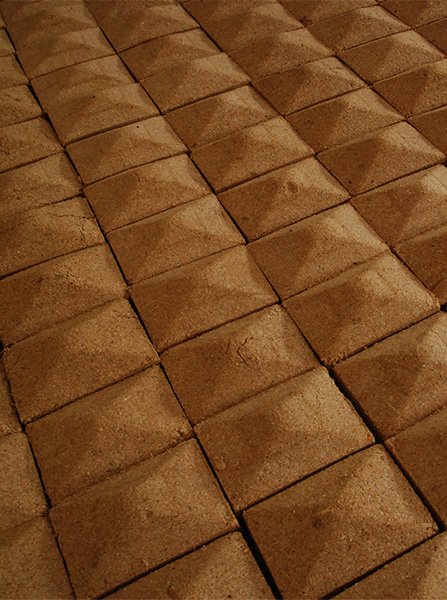
    Qu is made from clumps of grains that collect the yeast, mold, and bacteria.  It is crushed up and mixed with damp grains to ferment them. There are different types of qu to ferment different styles of baijiu – "big qu" is made in large bricks of usually wheat, sometimes with peas added. Small qu, which is made to ferment rice-based baijiu, is itself made from rice. Sometimes medicinal herbs are added to small qu to imbue the baijiu with medicinal properties. 

    Qu_img7

    As you'd expect, the recipe/incubating conditions/location for each distillery's qu is their closely-guarded secret. I don't know if each distillery produces multiple kinds of qu for their various brands. 

    The Wikipedia entry for qu contains a great deal more information. The image of bricks of qu to the right is from the Luzhou Laojiao website.

    Fermentation

    Beyond than the use of qu, one of the other things that's pretty unique to baijiu is "solid state" fermentation. Rather than fermenting a sugary liquid (as in scotch and rum) or a slurry of liquids and solids mixed together (as in bourbon), in baijiu it's moistened grain solids that ferment. The only other spirit I can think of that's fermented from a solid is grappa.

    Grains are steamed, mixed with qu, covered, and then put into the fermentation pit/pot. Fermentation can a long time. For strong aroma and sauce aroma baijiu, I am not sure what the shortest fermentation time is, but I don't think I heard anyone mention less than a month – and at the 1573 brand's distillery (Luzhou Laojiao) they mentioned it was 3-4 months normally and could be up to six months in the winter.  

    For 'rice aroma' baijiu, things go much faster – fermentation is only 5-6 days and in modern facilities it is distilled in closer to liquid form in continuous stills. For 'light aroma' baijiu, it can be from 4 days to 4 weeks, depending on the style.

    I'll write more about the particular distillery I visited and the production method for strong aroma baijiu in another post, but one quick factoid: At this distillery they bury the moistened grains and qu in earthen pits to let them ferment. The pits are filled to overflowing, piled above the floor level with grains, and  then covered with wet mud which seals it and keeps out oxygen. After the qu does its work, the grains compact a bit and that's how they know fermentation has finished. 

    You can see in the picture how the pits in the front right are lower than the rest- those are nearing the end of their fermentation. 

    1573 Baijiu Distillery

    Pretty cool right? That's not even the craziest part. Stay tuned. 


  • Regional Differences in Baijiu Style and Production

    I'm probably going to refer to this table I made about baijiu a lot over several posts, so don't worry too much about taking it all in today. The table lists the properties of the four main styles of baijiu (strong, light, sauce, and rice). There are more styles than this, but they're mostly combinations of these four. 

    These properties are not legally binding,  but general and historical properties based on the major producers of each region as described in the book Baijiu: The Essential Guide to Chinese Spirits by Derek Sandhaus . I'll be covering a lot of categories individually here on Alcademics, but should you want to skip ahead, check out DrinkBaijiu.com

    Today I just want to mention the regions of origin of each of the four main styles, highlighted in pink:


      Region of Origin Grains Fermentation Qu Distillation Aging
    Strong Aroma Sichuan Single (sorghum) or Mixed Earthen pits, continuous fermentation Big qu, Wheat-based Pot stills Ceramic or sometimes stainless steel
    Light Aroma Northern China + Taiwan Sorghum + rice husks Stone jars Big qu, barley + peas Post stills, Erguotou second pot head, or Fenjiu  
    Sauce Aroma Southern Sichuan/Moutai   Stone brick-lined pits, 8 cycles of fermentation and distillation, also piled Wheat 8 cycles of fermentation and distillation  Ceramic urns, 3 years minimum
    Rice Aroma Southeastern China Rice + glutinous rice Stone jars Small rice qu, with optional medicinal herbs Sometimes in continuous stills Limestone caves, in ceramic jars, sometimes infused


    So that corresponds (very) roughly to:

    China baijiu map

agave alcademics Angostura bartenders bitters bodega bourbon bowmore Campari Camper English chartreuse clear clear ice cocktail cocktail powder cocktails cognac curacao dehydrated dehydrated liqueurs dehydration directional freezing distillery distillery tour distillery visit france freezing objects in ice hakushu harvest history how to make clear ice ice ice balls ice carving ice cubes ice experiments isle of jura jerez liqueur makepage making clear ice mexico midori molasses orange orange liqueur penthouse pisco potato powder production recipe Recipes rum san francisco scotch scotch whisky sherry spain spirits sugar sugarcane sweden tales of the cocktail tequila tour triple sec visit vodka whiskey whisky