Blog

  • All the Cocktail and Spirits Books Released in 2019

    It's time for my annual post of (almost) all the cocktails and spirits books published this year, in consideration for gifting to others or keeping to read yourself. I know my shelf of to-read books is looking pretty menacing already, and I still have to buy some of these. 

    If I forgot your favorite book please do let me know and I'll add it! I am not excluding any cocktails/spirits books on purpose. 

    Links are to Amazon.com but you are encouraged to support your local independent bookstores when possible. 
     

    6a00e553b3da2088340240a49bad3e200d.jpgLow and No Alcohol

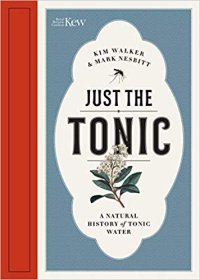
    Just the Tonic: A Natural History of Tonic Water by Kim Walker and Mark Nesbitt

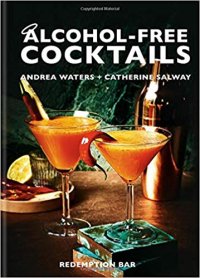
    Alcohol-Free Cocktails: The Redemption Bar by Catherine Salway and Andrea Waters

    All Day Cocktails: Low (And No) Alcohol Magic by Shaun Byrne and Nick Tesar

    The Art of the Garnish by Leeann Lavin


    Gin Books 

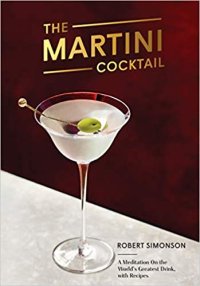
    The Martini Cocktail: A Meditation on the World's Greatest Drink, with Recipes by Robert Simonson 

    Sip: 100 gin cocktails with just three ingredients by Sipsmith 

    6a00e553b3da2088340240a4d8bc80200b.jpgThe World Atlas of Gin by Joel Harrison and Neil Ridley

    The Big Book of Gin by Dan Jones

    Gin Made Me Do It: 60 Beautifully Botanical Cocktails by Jassy Davis 

    Ginspiration: The Best Distilleries, Infusions, and Cocktails by Klaus St. Rainer 

    Gin Cocktails: Classic & contemporary cocktails by Hamlyn 

    Aged Gin Cocktails: 25 Cocktails for Gin's Newest Style by Aaron J Knoll 


    International Books

    The Complete Guide to Japanese Drinks: Sake, Shochu, Japanese Whisky, Beer, Wine, Cocktails and Other Beverages by Stephen Lyman, Chris Bunting 

    Great Northern Cocktails by Shawn Soole

    Drunk in China: Baijiu and the World’s Oldest Drinking Culture by Derek Sandhaus

     

    6a00e553b3da2088340240a4b42e4b200d.jpgWhisky Books

    World of Whisky: Taste, Try and Enjoy Whiskies From Around the World by David Wishart, Neil Ridley

    The Complete Whiskey Course: A Comprehensive Tasting School in Ten Classes by Robin Robinson

    The Whisky Dictionary: An A Z of whisky, from history & heritage to distilling & drinking by Ian Wisniewski

    Whisky Cocktails by Hamlyn

    The Bourbon King: The Life and Crimes of George Remus, Prohibition's Evil Genius by Bob Batchelor

    Jim Murray's Whiskey Bible 2020: North American Edition by Jim Murray


    6a00e553b3da2088340240a444b248200c.jpgRum and Tiki 

    Rum Cocktails by Hamlyn

    The Home Bar Guide to Tropical Cocktails: A Spirited Journey Through Suburbia’s Hidden Tiki Temples by Tom Morgan and Kelly Reilly 

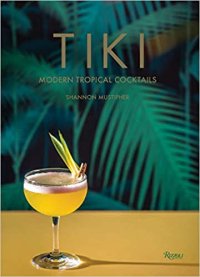
    Tiki: Modern Tropical Cocktails by Shannon Mustipher

    Minimalist Tiki by Matt Pietrek and Carrie Smith

    A Rum Tale: Spirit of the New World by Joseph Piercy 

    (new translation) D. KERVÉGANT – Rhum and Cane Eau-de-vie (1946)


    Other Spirits

    That's the Spirit!: 100 of the world's greatest spirits and liqueurs to drink with style by Jonathan Ray 

    The Tequila Dictionary by Eric Zandona

    Understanding Mezcal by James Schroeder
     

    6a00e553b3da2088340240a48a126d200c.jpgMisc Recipe Books 

    Schofields Classic Cocktail Cabinet by Joe Schofield, Daniel SchofieldHow to Cocktail: Recipes and Techniques for Building the Best Drinks by America's Test Kitchen

    Gather Around Cocktails: Drinks to Celebrate Usual and Unusual Holidays by Aaron Goldfarb

    Vogue Cocktails by Henry McNulty 

    Cocktails with a Twist: 21 Classic Recipes. 141 Great Cocktails. by Kara Newman

    Flask: 41 Portable Cocktails to Drink Anywhere by Sarah Baird 

    Happy Hour: The Cocktail Card Game by Laura Gladwin and Marcel George

    Spirits, Sugar, Water, Bitters: How the Cocktail Conquered the World by Derek Brown and Robert Yule

    The Complete Home Bartender's Guide: Tools, Ingredients, Techniques, & Recipes for the Perfect Drink by Salvatore Calabrese 

    Bar Chef: Handcrafted Cocktails by Christiaan Rollich

    Batch Cocktails: Make-Ahead Pitcher Drinks for Every Occasion by Maggie Hoffman
    6a00e553b3da2088340240a4a0eb13200c.jpgFloral Libations: 41 Fragrant Drinks + Ingredients by Cassie Winslow

    From Garden to Glass: 80 Botanical Beverages Made from the Finest Fruits, Cordials, and Infusions by David Hurst

    French Moderne: Cocktails from the Twenties and Thirties with recipes by Franck Audoux

    Fancy AF Cocktails: Drink Recipes from a Couple of Professional Drinkers by Ariana Madix, Tom Sandoval

    The Postmodern Bartender by Hayden Wood

    The NoMad Cocktail Book by Leo Robitschek

    The Aviary: Holiday Cocktails  by Grant Achatz, Nick Kokonas, Allen Hemberger

    How to Cocktail: Recipes and Techniques for Building the Best Drinks by America's Test Kitchen

    Let's Get Blitzen: 60+ Christmas Cocktails to Make Your Spirits Bright by Sother Teague


    Misc Books: Industry, Bitters, Distilling

    Botany at the Bar: The Art and Science of Making Bitters by Selena Ahmed, Ashley Duval, Rachel Meyer 

    How To Get U.S. Market-Ready: Wine and Spirits by Steve Raye

    The Art of Distilling, Revised and Expanded: An Enthusiast's Guide to the Artisan Distilling of Whiskey, Vodka, Gin and other Potent Potables by Bill Owens, Alan Dikty, Andrew Faulkner
     

    6a00e553b3da2088340240a4c051c9200b.jpgCocktail and Culture Books

    The Official Downton Abbey Cocktail Book: Appropriate Libations for All Occasions 

    Shaken: Drinking with James Bond and Ian Fleming, the Official Cocktail Book

    Last Call: Bartenders on Their Final Drink and the Wisdom and Rituals of Closing Time by Brad Thomas Parsons

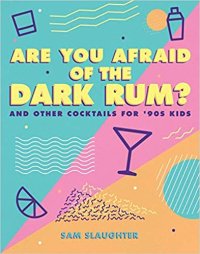
    Are You Afraid of the Dark Rum?: and Other Cocktails for '90s Kids  by Sam Slaughter

    Drink Like a Geek: Cocktails, Brews, and Spirits for the Nerd in All of Us by Jeff Cioletti 

    A Sidecar Named Desire: Great Writers and the Booze That Stirred Them by Greg Clarke and Monte Beauchamp

    Gin Austen: 50 Cocktails to Celebrate the Novels of Jane Austen by Colleen Mullaney 

    Gin Rummy: Gin Lovers Playing Cards by Emma Stokes and Jean Andre

    Glass and Gavel: The U.S. Supreme Court and Alcohol by Nancy Maveety

    Bourbon Justice: How Whiskey Law Shaped America by Brian F. Haara 


    Beer, Cider, and Wine Books 
    6a00e553b3da2088340240a4b36012200d.jpgDrink Better Beer: Discover the Secrets of the Brewing Experts by Joshua M. Bernstein 

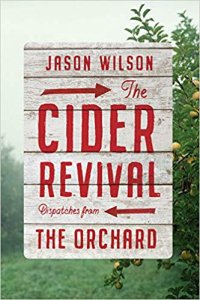
    Cider Revival: Dispatches from the Orchard by Jason Wilson

    Spritz Fever!: Sixty Champagne and Sparkling Wine Cocktails by Elouise Anders 

    The Cider Insider: The Essential Guide to 100 Craft Ciders to Drink Now by Susanna Forbes

    The Lager Queen of Minnesota: A Novel by J. Ryan Stradal 

    Natural Wine for the People: What It Is, Where to Find It, How to Love It by Alice Feiring 

    Celebrate Rosé: Cocktails & Parties for Life's Rosiest Moments by Ashley Rose Conway

    Cheese Beer Wine Cider: A Field Guide to 75 Perfect Pairings by Steve Jones and Adam Lindsley

    Sakepedia: A Non-Traditional Guide to Japan’s Traditional Beverage by Jeff Cioletti

    The Bucket List: Beer: 1000 Adventures " Pubs " Breweries " Festivals by Justin Kennedy

    The World Atlas of Wine 8th Edition by Hugh Johnson and Jancis Robinson

    YES WAY ROSÉ A Guide to the Pink Wine State of Mind by Erica Blumenthal and Nikki Huganir


    Not enough books for you??? Check out:

    All the Cocktail and Spirits Books Released in 2018

    All the drink books that came out in 2017

    All the Cocktails and Spirits Books Published in 2016 for Reading or Gifting

    All the Cocktails & Spirits Books Published in 2015, For Reading or Gifting

    More Than 40 Drink Books Published in 2014 for Reading or Gifting


  • Simple Starter Seedlip Recipes – Non-Alcoholic Cocktails

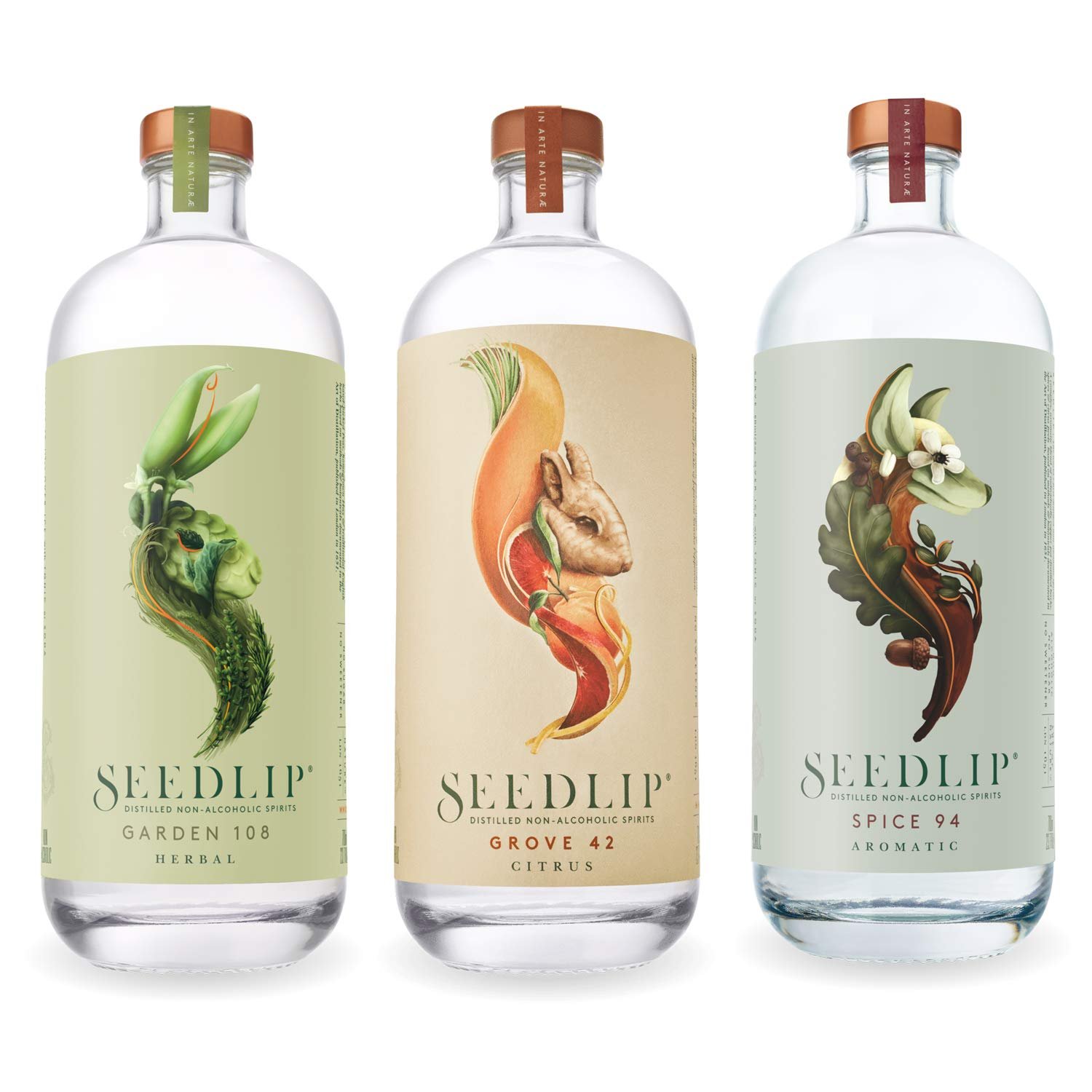
    SeedlipI make hundreds of non-alcoholic cocktails each year for tech events, at which a fair percentage of event attendees do not consume alcohol. I've made it a policy to have drinks that are of equal quality to the alcoholic ones, and for that Seedlip has come in very handy. 

    Many people have issues with Seedlip – it's pricey for one, they call it a "non-alcoholic spirit" which annoys people, and more importantly people tend to try it as a gin and put it into tonic water so I think it's mostly a lack of understanding.  Trust you me that is not its best use! So below I've put some super simple recipes I often make with Seedlip. These are so good! 

    In general, I find Seedlip can be a touch perfumy which is both its strength and weakness. The trick to using it is usually to put it up against strong flavored syrups – below I use maple syrup and passion fruit syrup in drinks. But that Daiquiri is just terrific with simply lime and sugar. 


    Garden Cooler 

    This is merely a Daiquiri using Seedlip Garden, and it is magnificent – it will convert all skeptics. If I were making something like a Mojito at the event I would toss in some soda water and mint in this recipe much like converting a standard Daiquiri to a Mojito. 
    1 oz Lime Juice 

    .75 – 1 oz Simple Syrup

    2 oz Seedlip Garden

    Shake with ice or just mix together (for events I never shake cocktails but I may add some dilution, this one can take some water)

    Pour over ice and garnish with a lime wheel


    Passion Punch

    This drink pairs Seedlip Spice's "winter spice" notes with passion fruit, much like you can do with Angostura Bitters. If I'm doing an event with drinks served over big 2-inch ice cubes, I'll use this drink as the non-alcoholic "stirred" cocktail despite its ingredients. I'm a huge, huge fan of Small Hand Foods passion fruit syrup so I'd definitely stay on-brand with this if you can.
    I used to also add The Ginger People's ginger juice to this drink, but about a year ago their juice started tasting really pasteurized (I assume it is pasteurized, it just didn't taste like it). It's a great improvement to add something spicy against the passion fruit so you may consider an alternative or infusing ginger into Seedlip perhaps? 
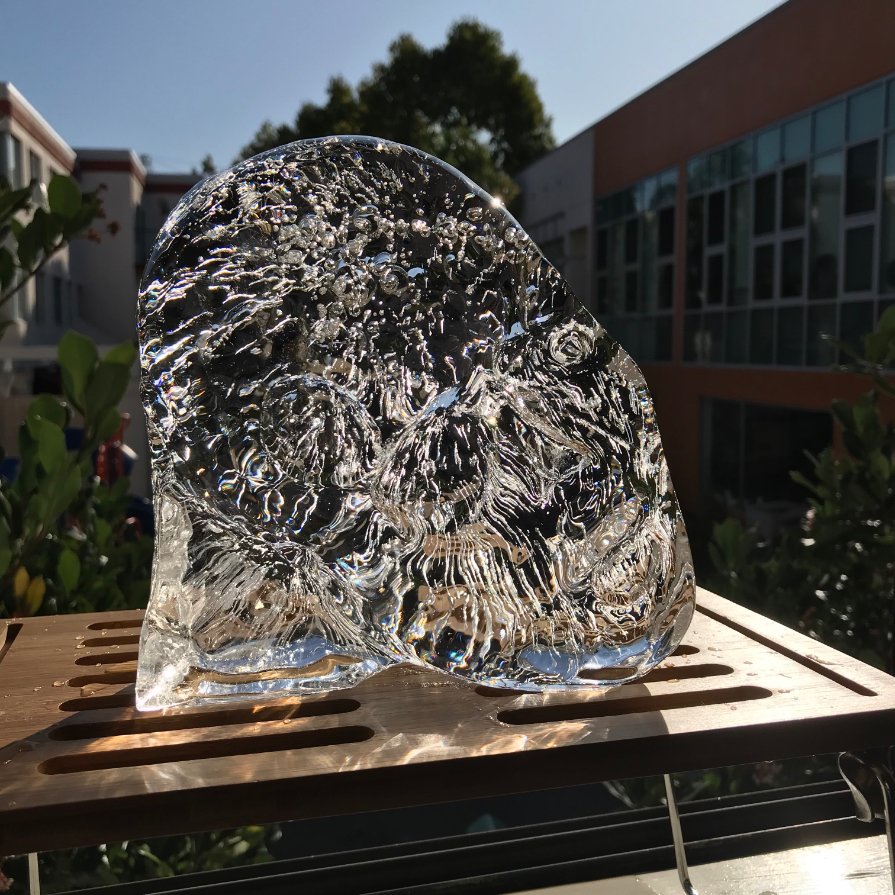
    2 ounces Seedlip Spice

    .75 ounce Small Hand Foods Passion Fruit Syrup

    .75 ounce Lemon Juice

    Shake (or just mix) with ice and pour over a large ice cube. (Regular ice cubes are fine too.)

    Garnish with a lemon peel expressed over the top of the drink and dropped in. 


    N/A Maple Cooler

    I make a super popular Rye Maple Sour for events (rye whiskey, maple simple, lemon) and this is my non-alcoholic alternative with a similar taste profile. Honestly it might be better than the boozy version. 

    1.5 oz Seedlip Spice

    .75 oz Lemon Juice 

    .75 oz Maple Simple Syrup (1:1 with water)

    Shake (or just mix) with ice  and pour over ice.

    Garnish with a lemon peel expressed over the drink and dropped in. 


    Please give these drinks a try- they not only validate Seedlip, they are delicious on their own and will please drinkers and non-drinkers alike. 


  • Non-Alcoholic Spirit Brands List

    Here is a list of non-alcoholic spirits brands. There are a lot more of them out than I realized! 

    Did I miss any? Please let me know and thanks to everyone who has been writing in. 

    List of Non-Alcoholic Distilled Spirits

    Note I recently added links to purchase products on Amazon (look for "buy" links) if available in the US. Most of these products are not. 

    1. 52608823_2208723656045967_4959802790034538496_oSeedlip (UK) / Aecorn /NoGroni  [buy]
    2. Ceder's Wild (Sweden) [buy]
    3. Surendran & Bownes (UK) Labdanum
    4. Stryyk (UK)
    5. Herbie Virgin (Denmark)
    6. Pentire (UK)
    7. Three Spirit (UK)
    8. MeMento (Italy)
    9. Ghia 
    10. Fluere (Netherlands) [buy]
    11. Ritual Zero Proof (Chicago) [buy]
    12. The Bitter Note, Vibrant Note, Hidden Note (Italy)
    13. Lidl CeroCero [UK] review
    14. Sea Arch (UK) [buy]
    15. Lyre's [Australia] [buy buy]
    16. AtopiaMonte Rosso Non-Alcoholic Aperitif (still in production?)
    17. Xachoh
    18. Borrago  (UK) [buy]
    19. Everleaf (UK)
    20. Caleño [buy]
    21. Ginsin/Ronsin/Versin/Whissin  [buy Ginsin][buy gin sampler][buy Ronsin]
    22. GinFree – Aldi's version of GinSin
    23. Junip
    24. Silk Tree (Ireland)
    25. The Driver's Tipple (UK)
    26. Senser (UK) with "active botanicals"
    27. Celtic Soul (from Cedar's for Pernod Ricard)
    28. Feragaia
    29. Arkay
    30. ASDA Botanical Drinks
    31. Ecology & Co (New Zealand)
    32. Blutul Vermouth [buy]
    33. CeroAbstinence (South Africa)
    34. Nine Elms
    35. Crafted Spirits
    36. Spirits of Virtue (Scotland)
    37. Punchy Non-Alcoholic Spiced Rum (still made? no longer on website)
    38. Amplify (UK)
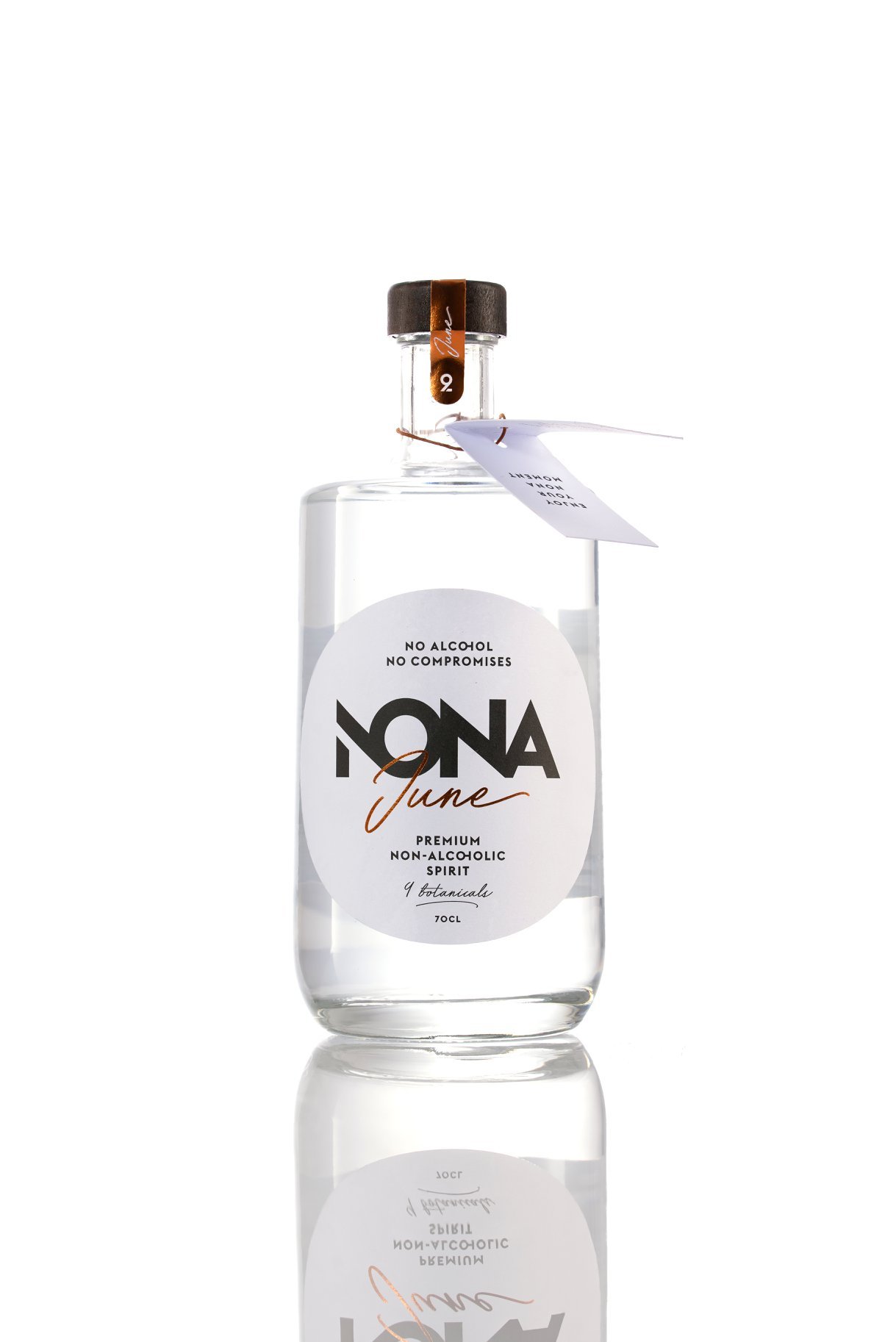
    39. Nona (Belgium)
    40. Lumette (Canada)
    41. Spiritliss (US)
    42. Brunswick Aces (Australia)
    43. Saint Non-Alcoholic Gin (South Africa)
    44. ISH Spirits GinIsh/RumIsh 
    45. Proteau (USA)
    46. Kin Euphorics (USA)
    47. Bax Botanics (UK)
    48. ALTD (Australia)
    49. Siegfried Wonderleaf (Germany)
    50. UnDone (Germany)
    51. Tinley Beverages [cannabis or "non-cannabis-derived plant terpenes "] (USA)
    52. Watersboten [buy]
    53. ROOTS (Greece) – Roots DIVINO Bianco & Roots DIVINO Rosso Vermouth
    54. Hooghoudt Zero Zero 24  Genever (The Netherlands)
    55. Kever Genever 0% (The Netherlands)
    56. LOOPUY_VIRGIN-PosterMonday Booze-Free Gin (San Diego) [buy]
    57. Nudo (Belgium)
    58. Gnista Spirits (Sweden)
    59. Sobrii (Canada)
    60. Wilderton (Oregon, USA) 
    61. Cordus Bitter Sweet Non – Alcoholic Aperitif
    62. Palermo non-alcohol red and white vermouth, aperitif 
    63. No Ghost in a Bottle Herbal Delight/Floral Delight (Belgium)
    64. Goodsack Virgin non-alcoholic vodka and gin (Netherlands)
    65. Loopuyt Virgin gin (Netherlands)
    66. Blancart Anise – Older n/a Anise product
    67. Cristal 100 Anise (France) Older product on market
    68. BdAdam & Eve Innocent Spirit (Belgium)
    69. Martini Vibrante and Floreale (Italy)
    70. Cotswold Green (UK)
    71. Quick Gin 
    72. Chastity Gin
    73. Berkshire Blend  
    74. Gin-Esque
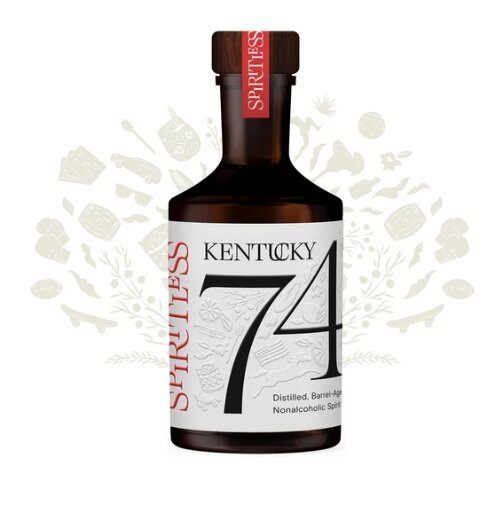
    75. Kentucky 74 (US) [buy]
    76. Solbrü [Canada]
    77. Kvist 
    78. Mockingbird Spirit [UK]
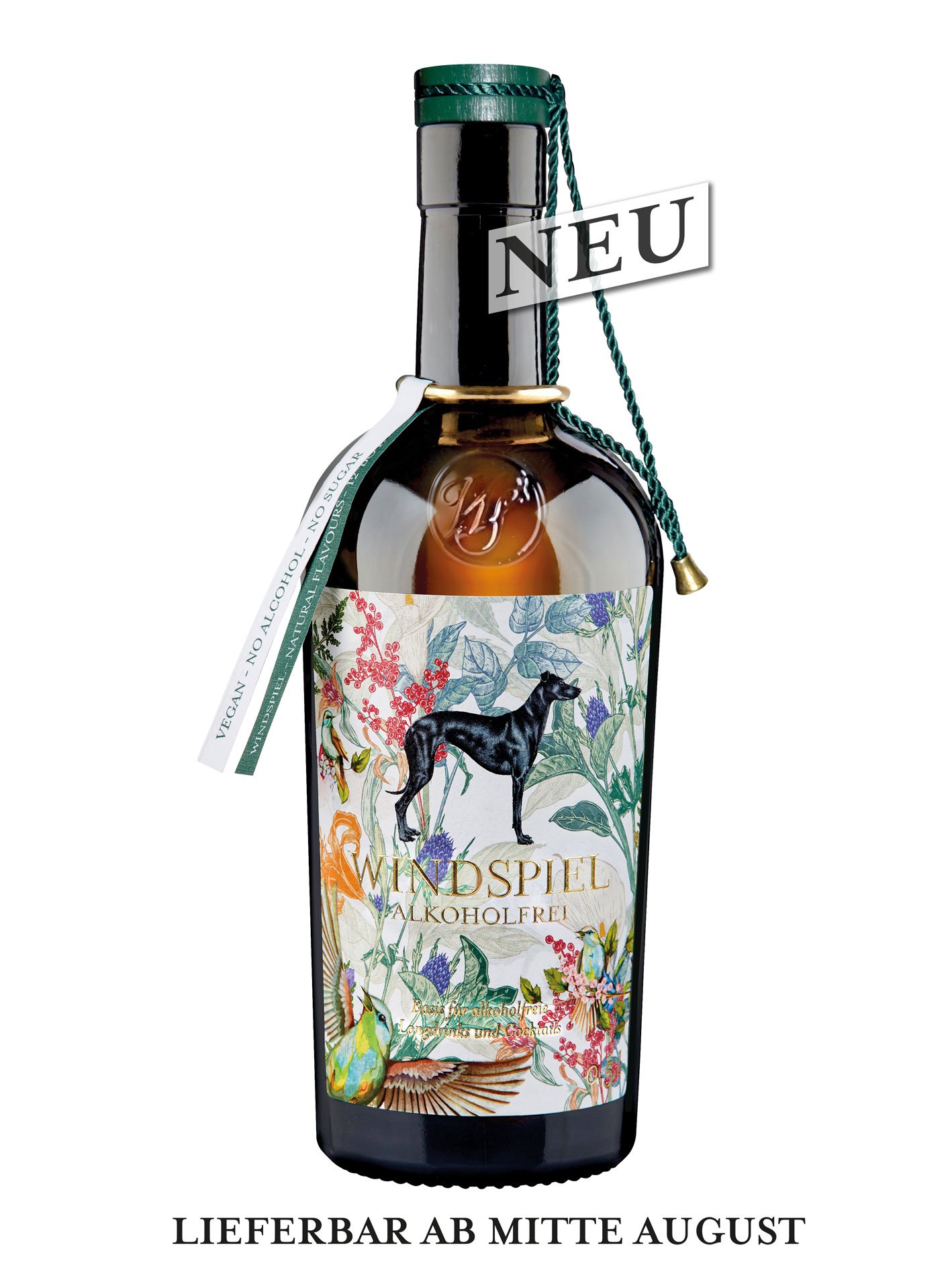
    79. Windspiel-Alkoholfrei-0-5Damrak Virgin 0.0 [Amsterdam]
    80. Sacré [US]
    81. Guilty [Germany]
    82. Windspiel Alkoholfrei [Germany]
    83. Der Berliner Brandstifter Alkoholfrei [Germany]
    84. Humboldt Freigeist [Germany]
    85. JNPR and BTTR [France]
    86. Warner's 0% Botanic Garden Spirits [UK]
    87. Bonbuz [USA] with "amino acids, nootropics and adaptogens" and caffeine. 
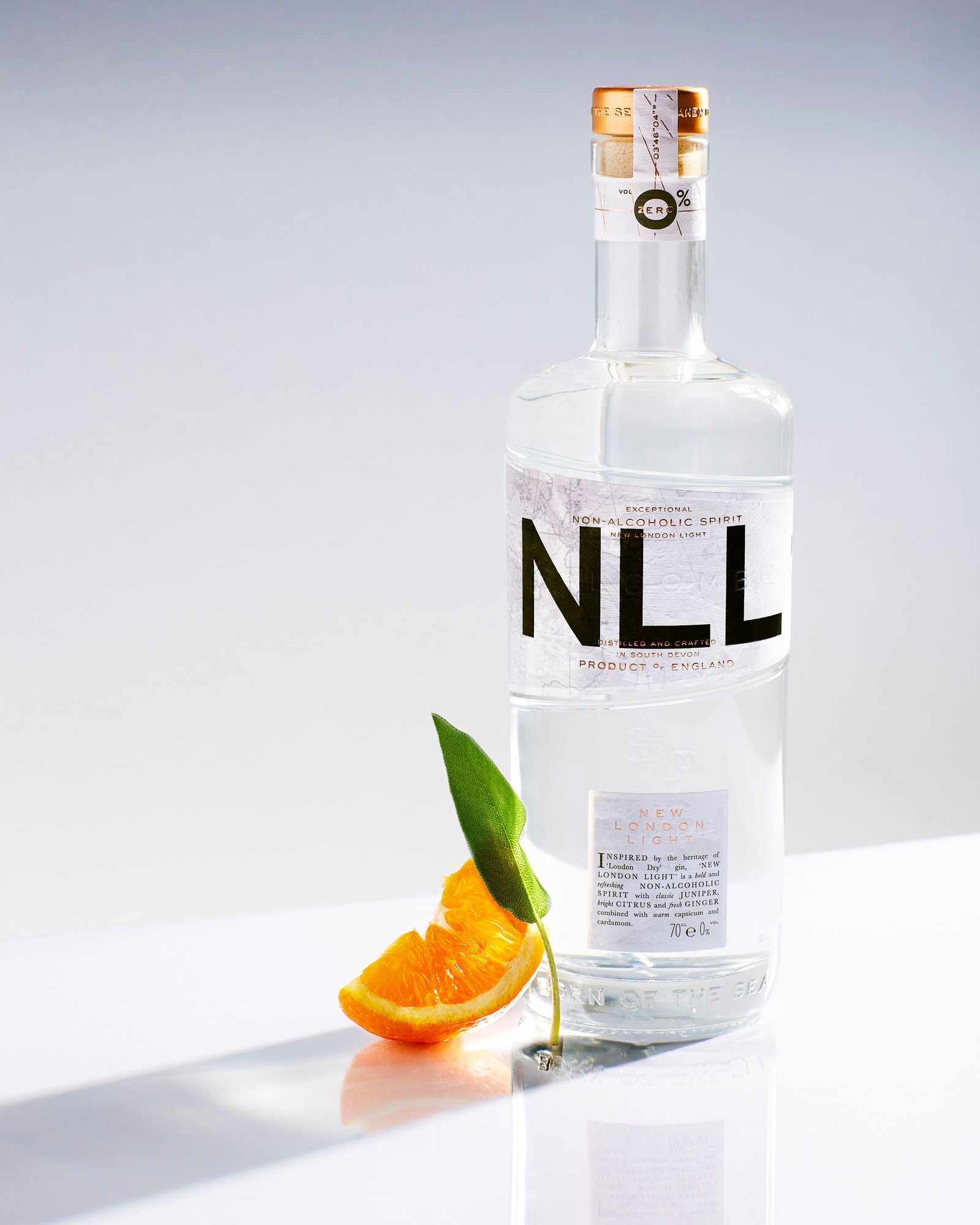
    88. NLL (New London Light) [UK]
    89. Wilfred's Spritz [UK]
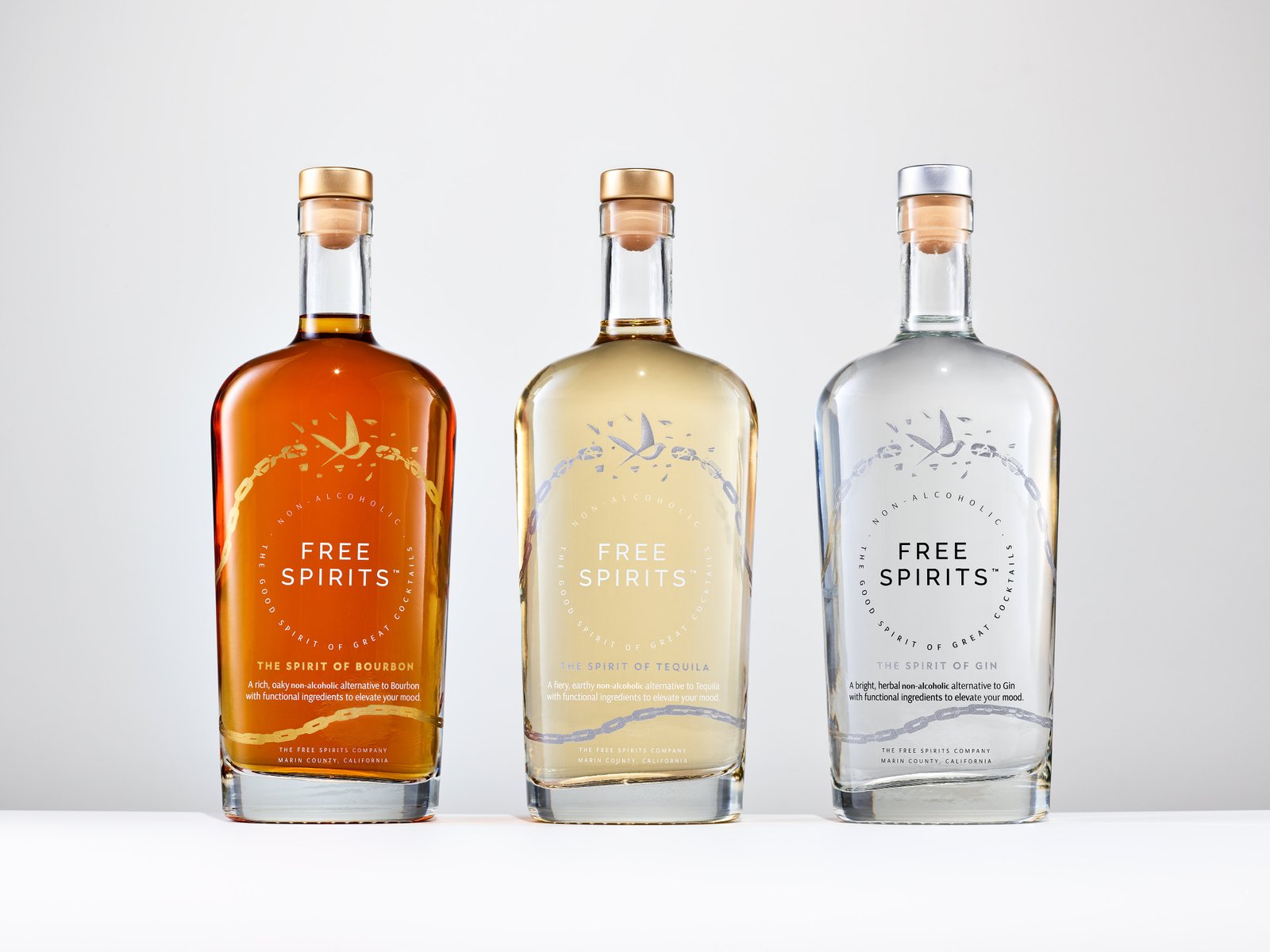
    90. Free Spirits GroupFlora Hemp Spirits "The World’s First Non Alcoholic Hemp Spirit" (CBD) [US]
    91. ZEO [UK]
    92. Sexy AF Spirits [Canada]
    93. Felix Spirituals [Georgia, USA]
    94. Free Spirits [California, US]
    95. Vera Spirits [Slovenia]
    96. M70a54KMGordon's 0.0% [UK] press release
    97. Beckett's Non-Alcoholic Spirits [CA, USA]
    98. Vermont VerGin [South Africa]
    99. Heimat Vogelfrei alkoholfrei [Germany]
    100. New London Light from Salcombe Distilling CO [UK] [buy]
    101. DHOS from Ransom Spirits [Oregon]
    102. Aplos Hemp-Infused Non-Alcoholic Spirit 
    103. Artet Cannabis Aperitif 
    104. Kinda Whisky, Rum, Pink Gin [Ireland] 
    105. Easip Fields/Woods [Germany]
    106. Flaneur/Flaneuse [Estonia]
    107. Distillerie Des Appalaches Alphonse [Canada]
    108. Bowser Leaf [UK]
    109. 206451760_336802718153946_2004349802251283203_nRasasvada "spirit restorative" [USA]
    110. Tanqueray 0.0% [UK] [press release]
    111. Spirited Euphoria [UK]  "distilled from hemp" plus CBD 
    112. Laori [Germany] alcohol-free gin
    113. Ginnocence [USA – Seattle]
    114. Ovant alcohol-free distillates [Australia]
    115. Novara Bitter Aperitivo from Bark and Bitter [Canada]
    116. Optimist Drinks [USA – Los Angeles]
    117. The Sober Bartender Spirits [Alberta, Canada]
    118. Amethyst NA Spirits [South Carolina, USA]
    119. Amass Riverine [Los Angeles, CA, USA]
    120. Sipsmith FreeGlider [London, UK]
    121. SeaDrift [Australia]
    122. Figlia [USA]
    123. Tenneyson [Austin, TX, USA]
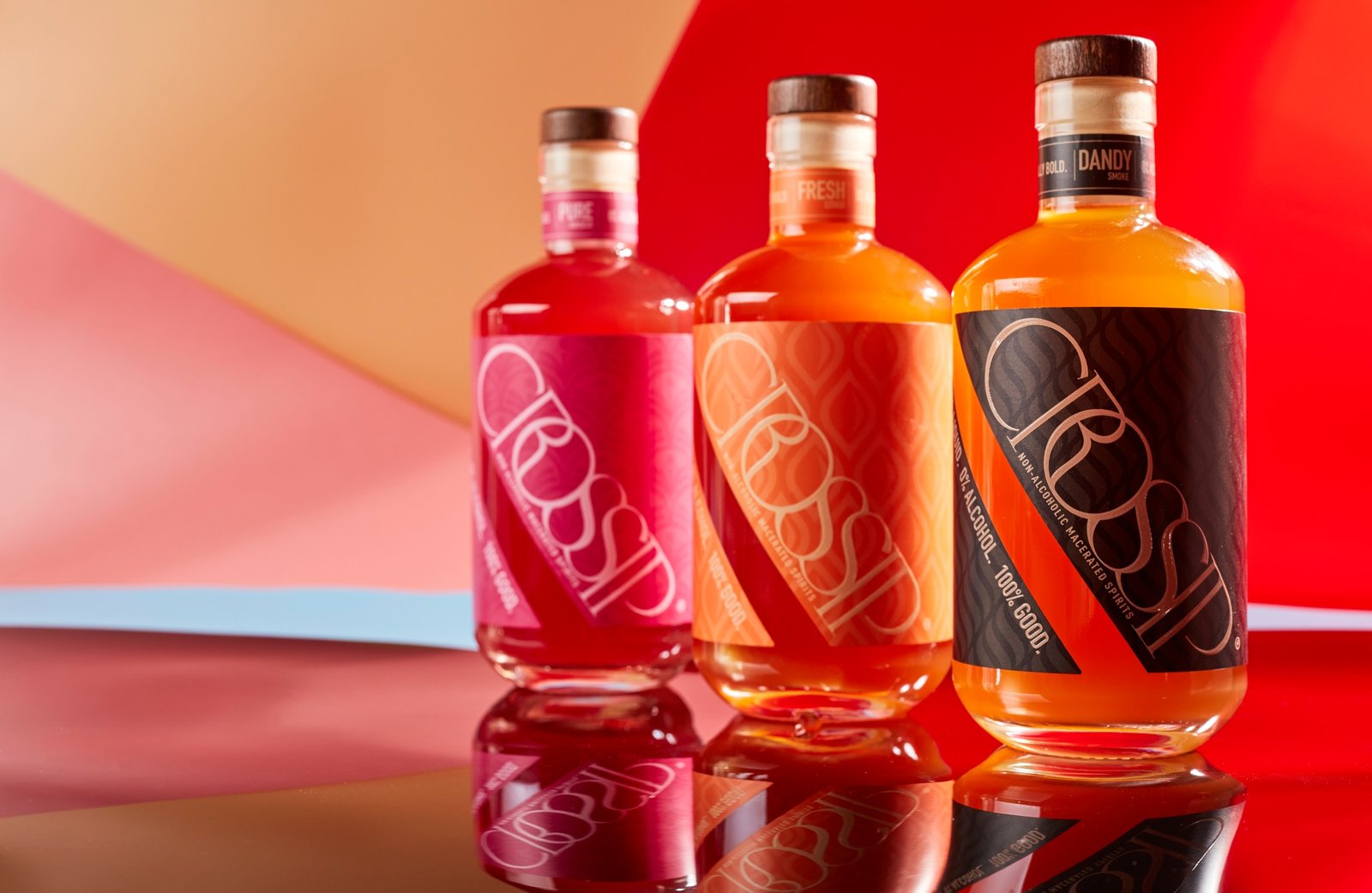
    124. 271293199_240615408149688_1685324425690317380_nCrossip Drinks [UK]
    125. Melati Non-Alcoholic Botanical Aperitif [Singapore]
    126. Banks Botanicals [Australia]
    127. Eceaux Drinks
    128. Hellfire Bluff [Australia]
    129. SakuraFresh [Japan] Press release
    130. Herbarium [UK]
    131. Stillers Alcohol Free Distilled Botanical Drinks [UK]
    132. Djin Spirits [France]
    133. Selati Free Spirit [South Africa, coming 2022]
    134. Nulpuntnul1The Pathfinder
    135. Mokum Dusk [Netherlands]
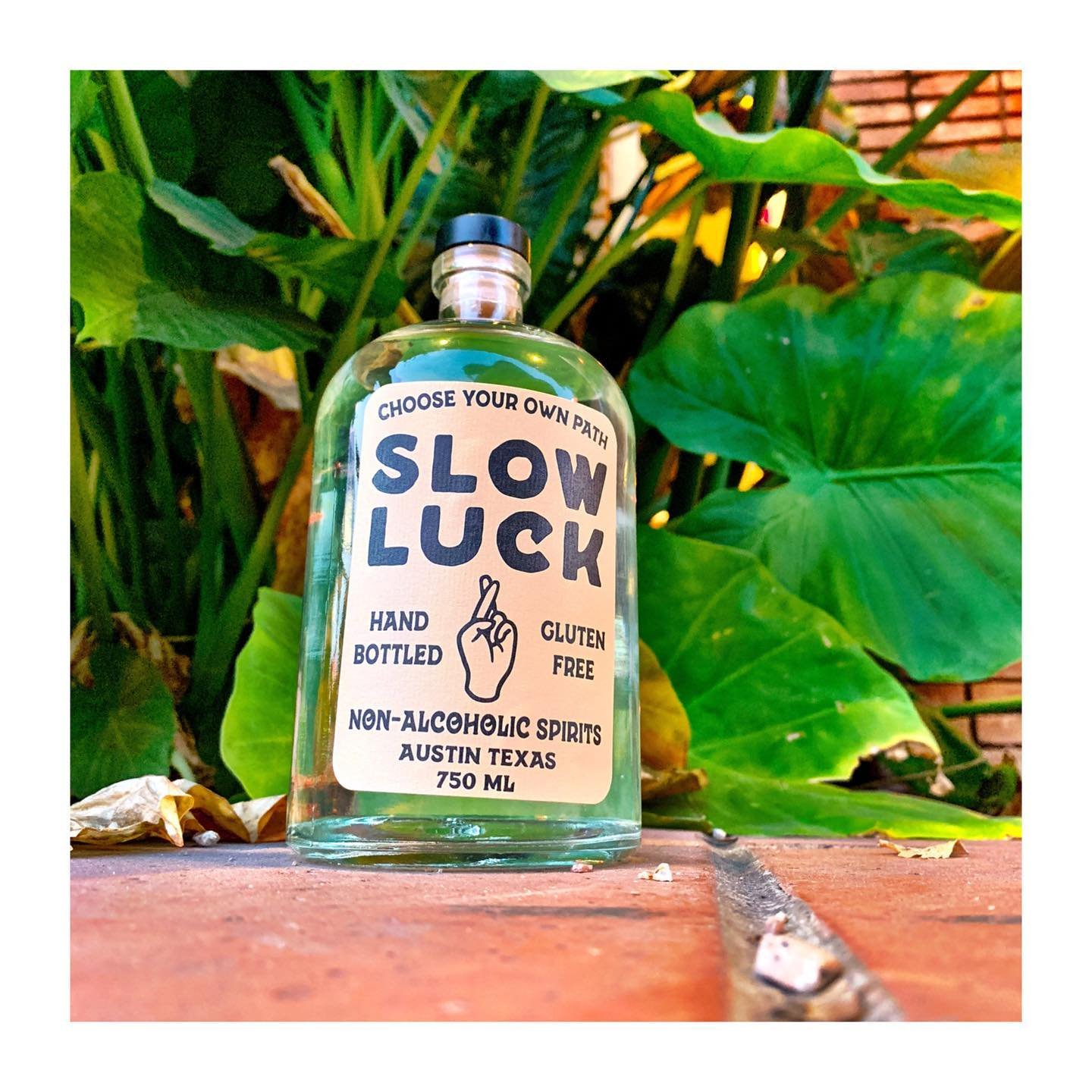
    136. Slow Luck [Austin, Texas, SA]
    137. WhistlePig Devil's Slide [Vermont, USA]
    138. Palette by Bacardi Press release
    139. Sans Junipre Botanical Spirit from Great Lakes Distillery [USA]
    140. REBELS 0.0% [Switzerland]
    141. Nolow [France]
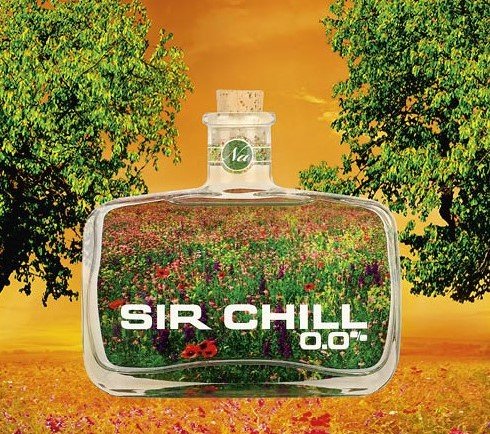
    142. Sir Chill Gin 0.0 [Belgium]
    143. OP Anderson Alkoholfri Snaps [Sweden]
    144. Bôtan Distillery Juniper Garden [Belgium]
    145. The Stillery Virgin [Netherlands]
    146. Opius [Belgium]
    147. High Point Aperitif and Digestif [UK]
    148. Marie Laveau 
    149. Maria and Craig's 
    150. HP Juniper [Canada]
    151. NEMA [Japan]
    152. BARE Zero Proof [US]
    153. APRTF [UK]
    154. Filibuster NA [US, coming soon]
    155. Four Pillars Bandwagon [Australia]
    156. Niets (otaniets Gin 0%, Havaniets Rum 0%) [Belgium]
    157. Seir Hill Non-Alcoholic Spirits [Connecticut, USA] 
    158. Cut Above [Houston, TX, USA]
    159. Dromme [San Diego, CA, USA]
    160. Polka [Australia]
    161. Dead Man's Fingers 0.0 Spiced Rum 
    162. Dr. ZeroZero AmarNo [Italy]
    163. MeShil [Korea]
    164. Limonzero [Netherlands]
    165. Pamos (cannabis)
    166. Seagram's 0.0% [Spain]


    Possibly No Longer Produced Non-Alcoholic Spirits

    1. Willow.London [CBD] (off the market)


    Low-ABV Versions of Spirits

    1. Temperance Gin from Portobello Road
    2. Hayman's Small Gin 
    3. CleanGin/ Clean R/ Clean T
    4. Atopia [Scotland]
    5. Mary  "The low alcohol, low calorie botanical blend"
    6. Beefeater Light, Ballantine's Light press release
    7. 18.8 Vodka and Gin from Fluid Assets


    Some Sources where I found these:


  • More Eyeball Ice Balls and Ice Fangs for Halloween

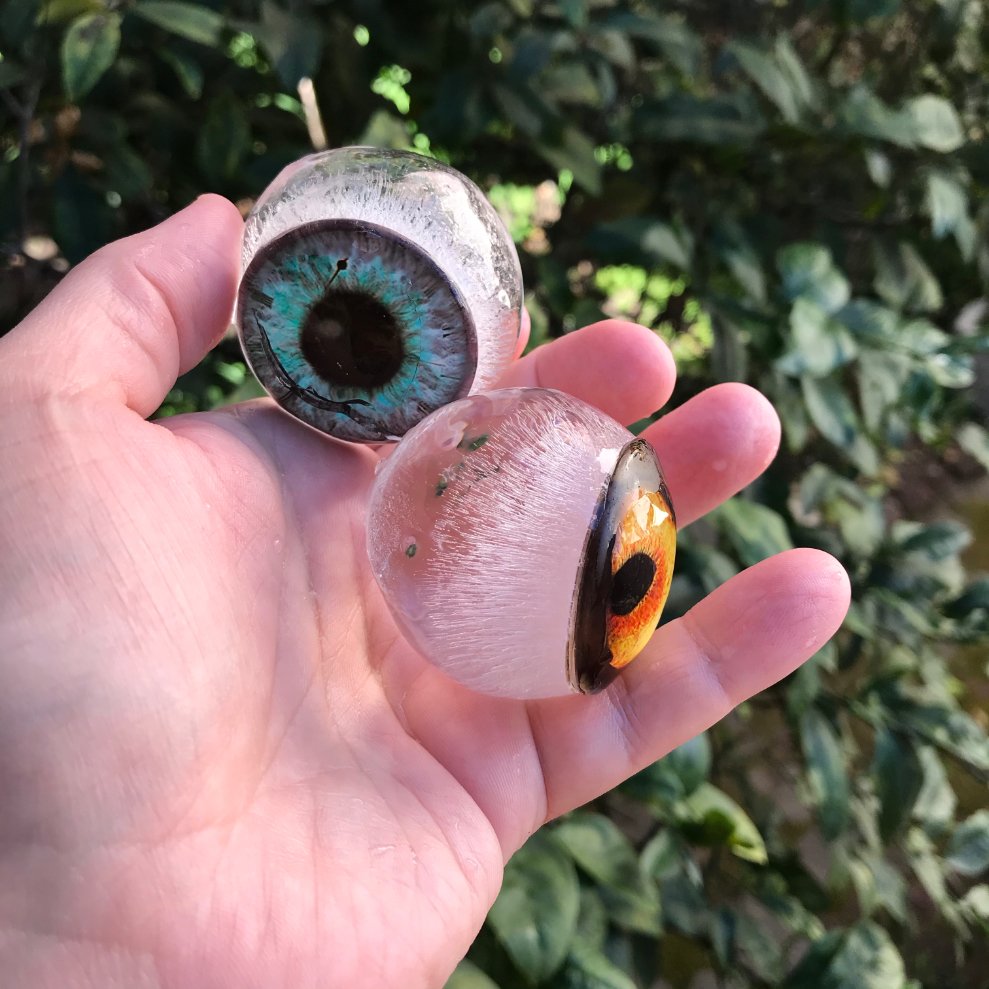
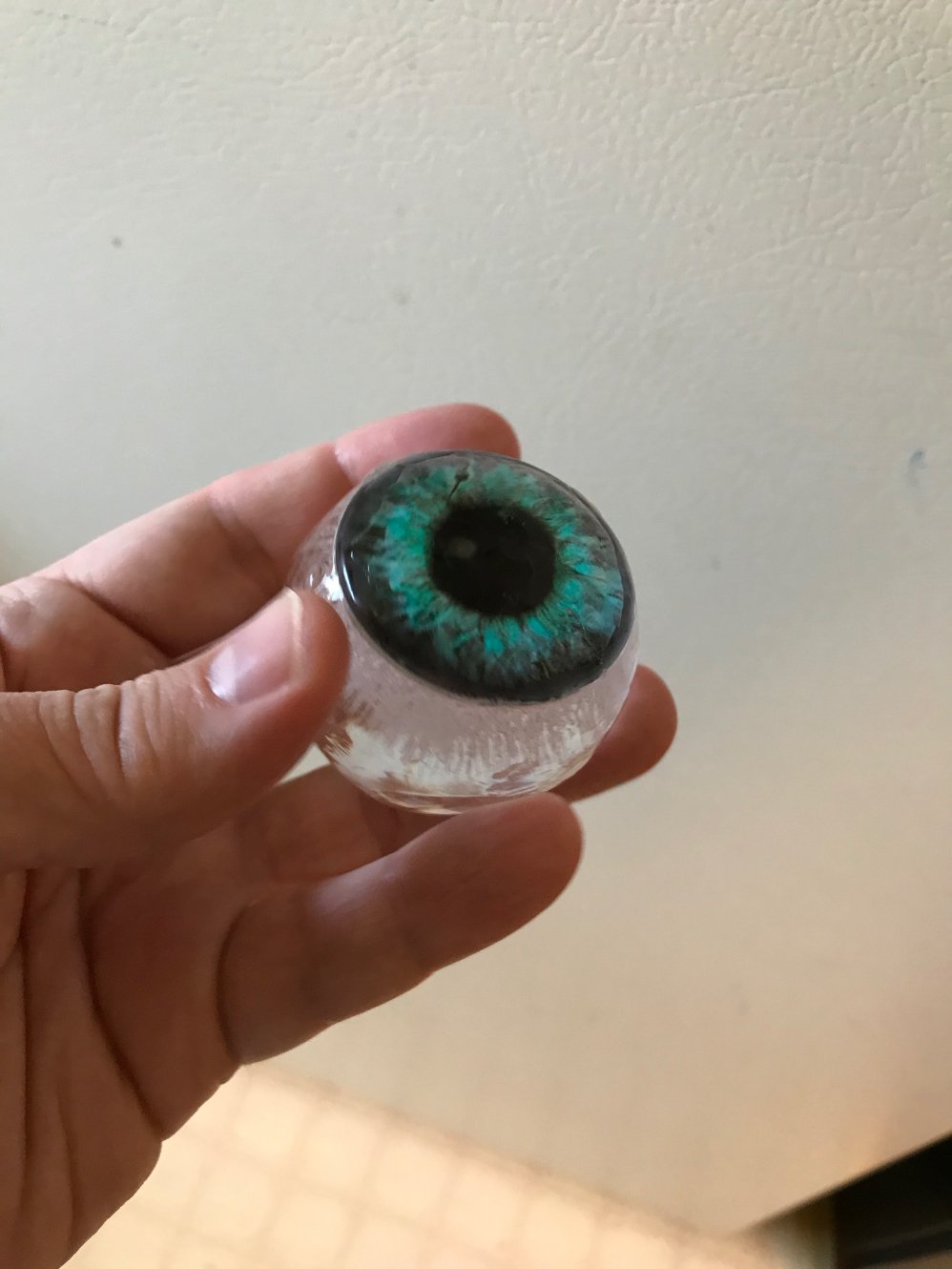
    I made more fun ice for Halloween. Recently I put some bouncy eyeballs into ice balls and froze a Halloween mask into an ice block.

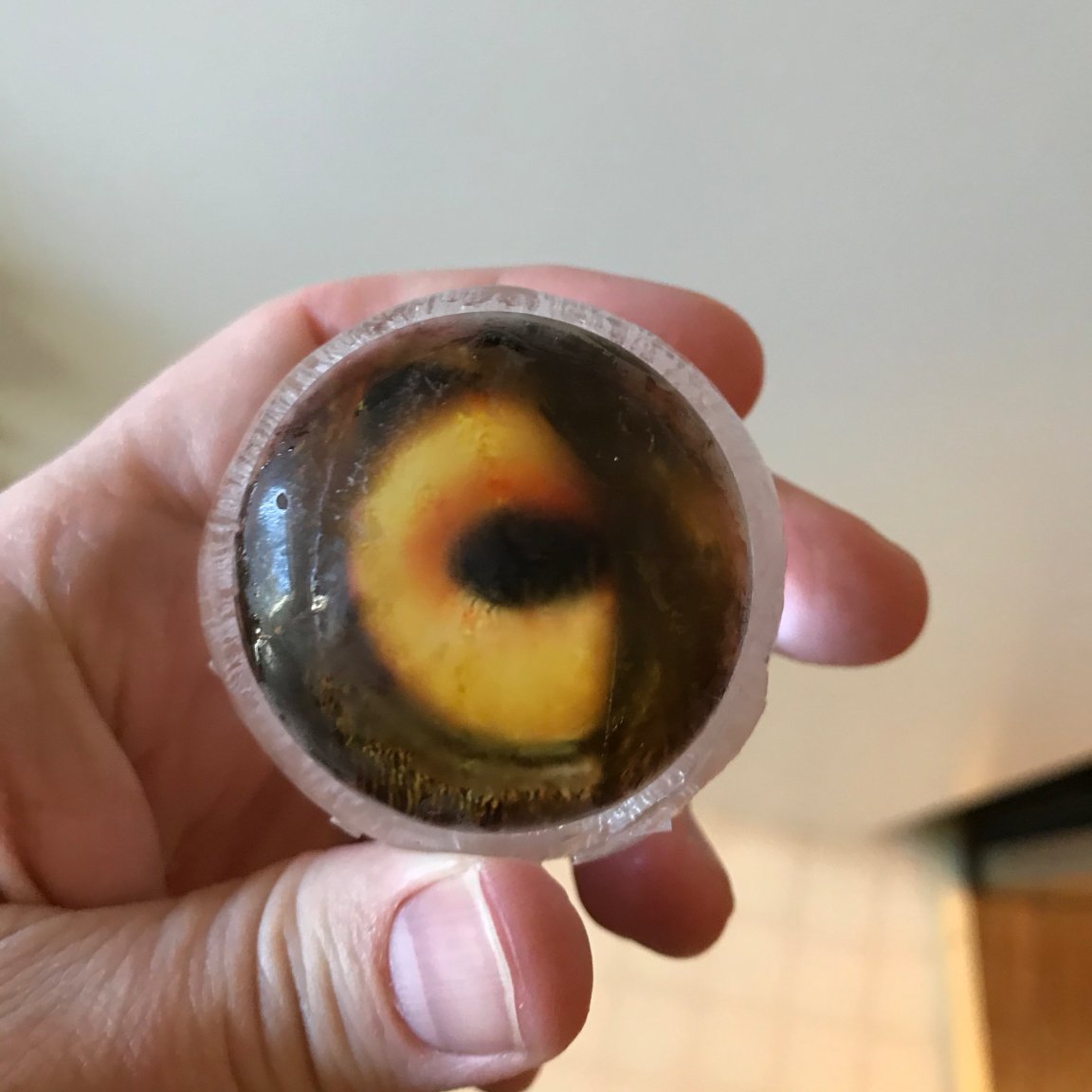
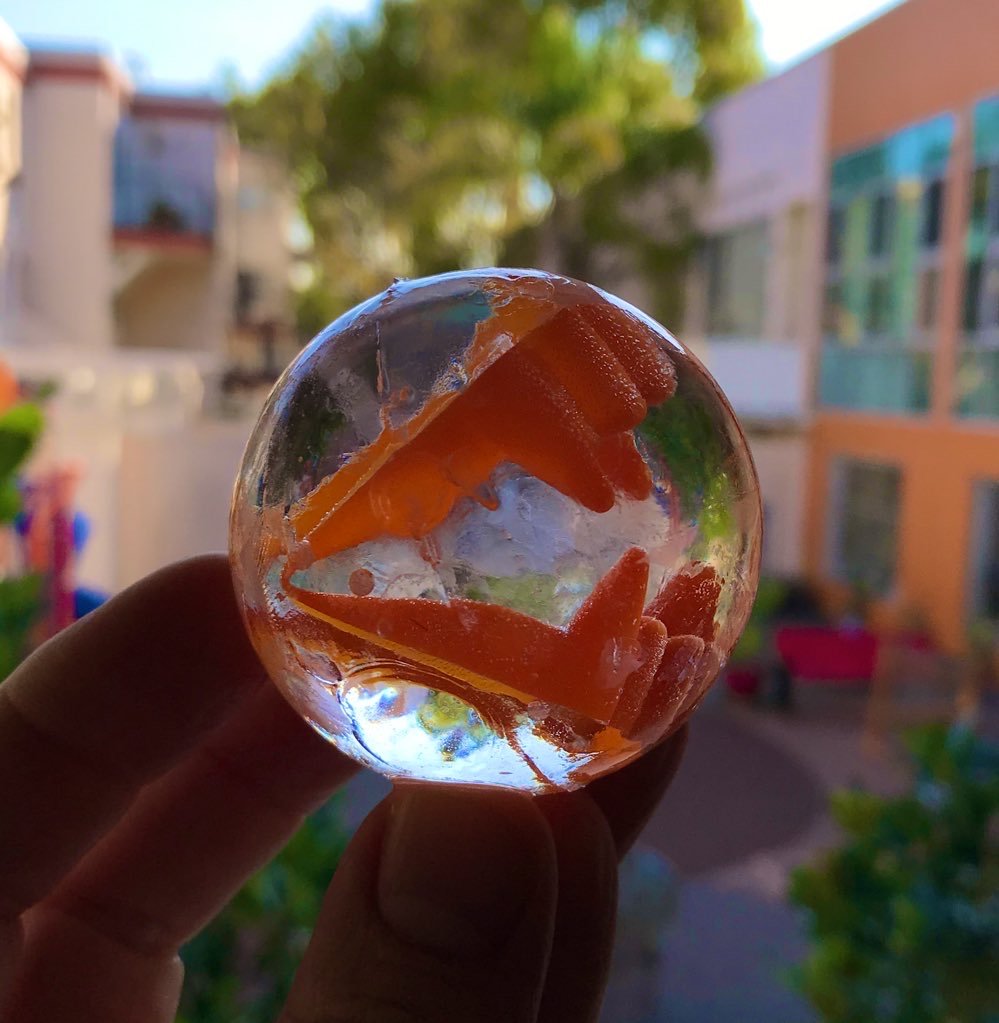
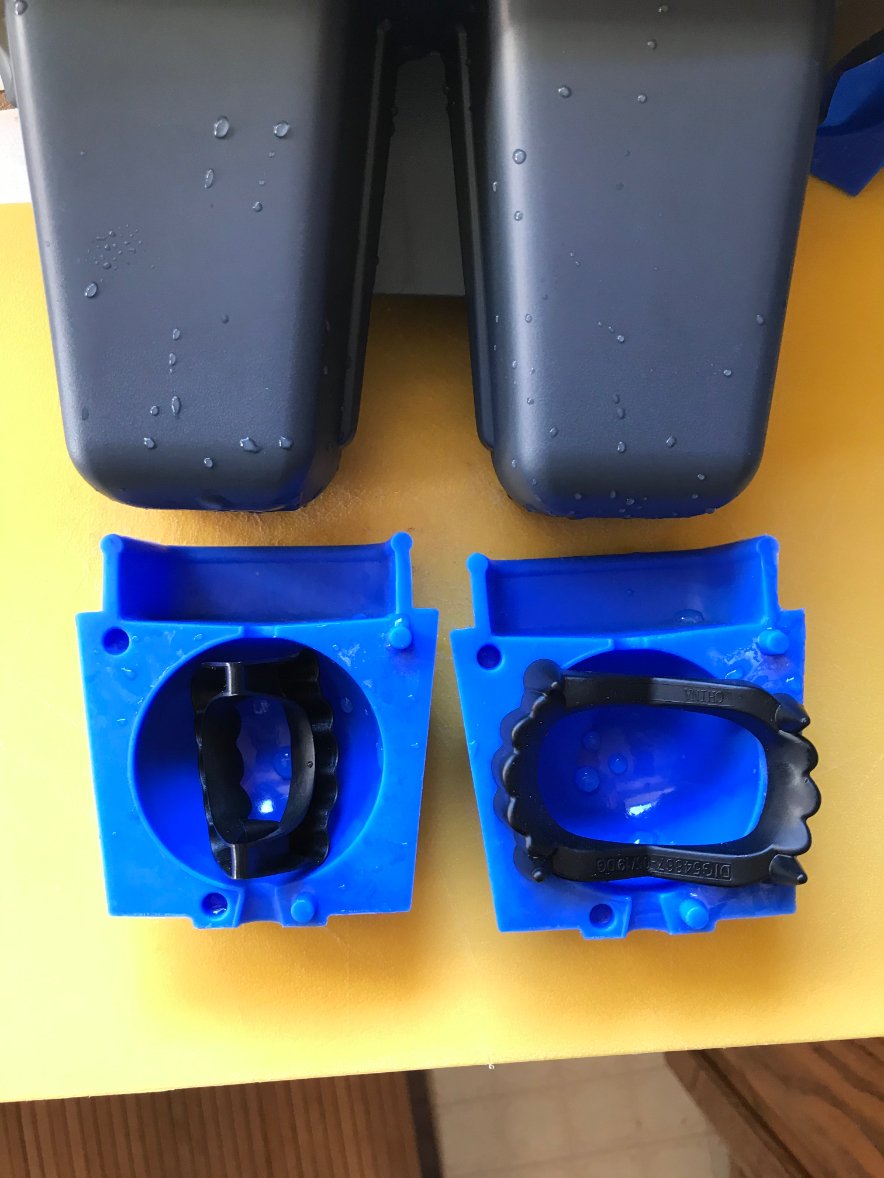
    This time I put some big glass eyes into ice balls and put vampire fangs into other ice balls. The glass eyes were an idea from bartender Ramon Pinon – they are available on Amazon at this link. I got these super large ones that fit into the ice ball mold that I use atop the Thermos Funtainer similarly to how I made these bugs and spider ice balls last year

    IMG_6623
    IMG_6623
    IMG_6623


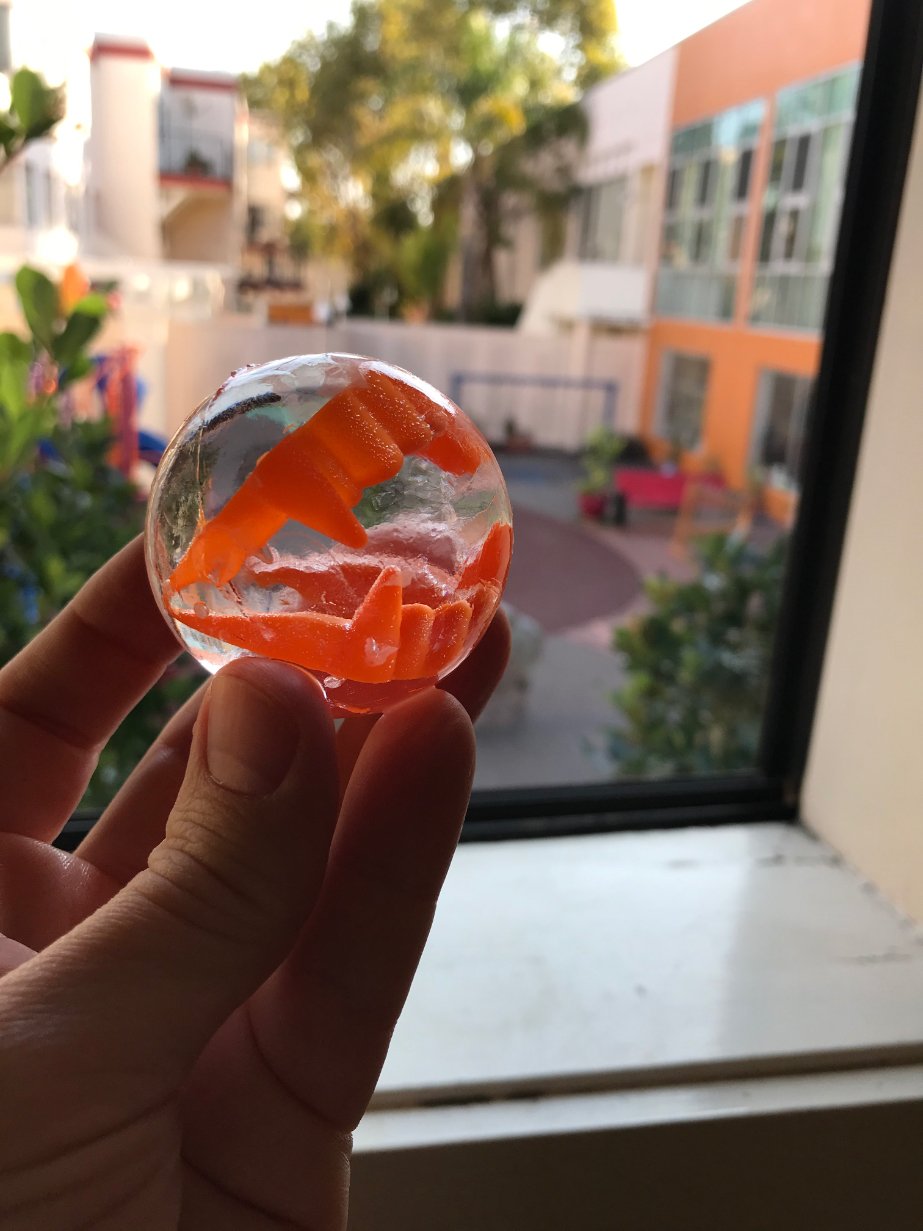
    For the vampire fangs, I found colored ones at CVS and put them into the IceOlogy ice ball trays. The trick here is to put them in sideways so that air pockets don't form underneath them. 


    IMG-6715
    IMG-6715
    IMG-6715


    Anyway, good times, enjoy. 


  • A Fascinating Interview with Remy Martin Cognac Cellarmaster Baptiste Loiseau

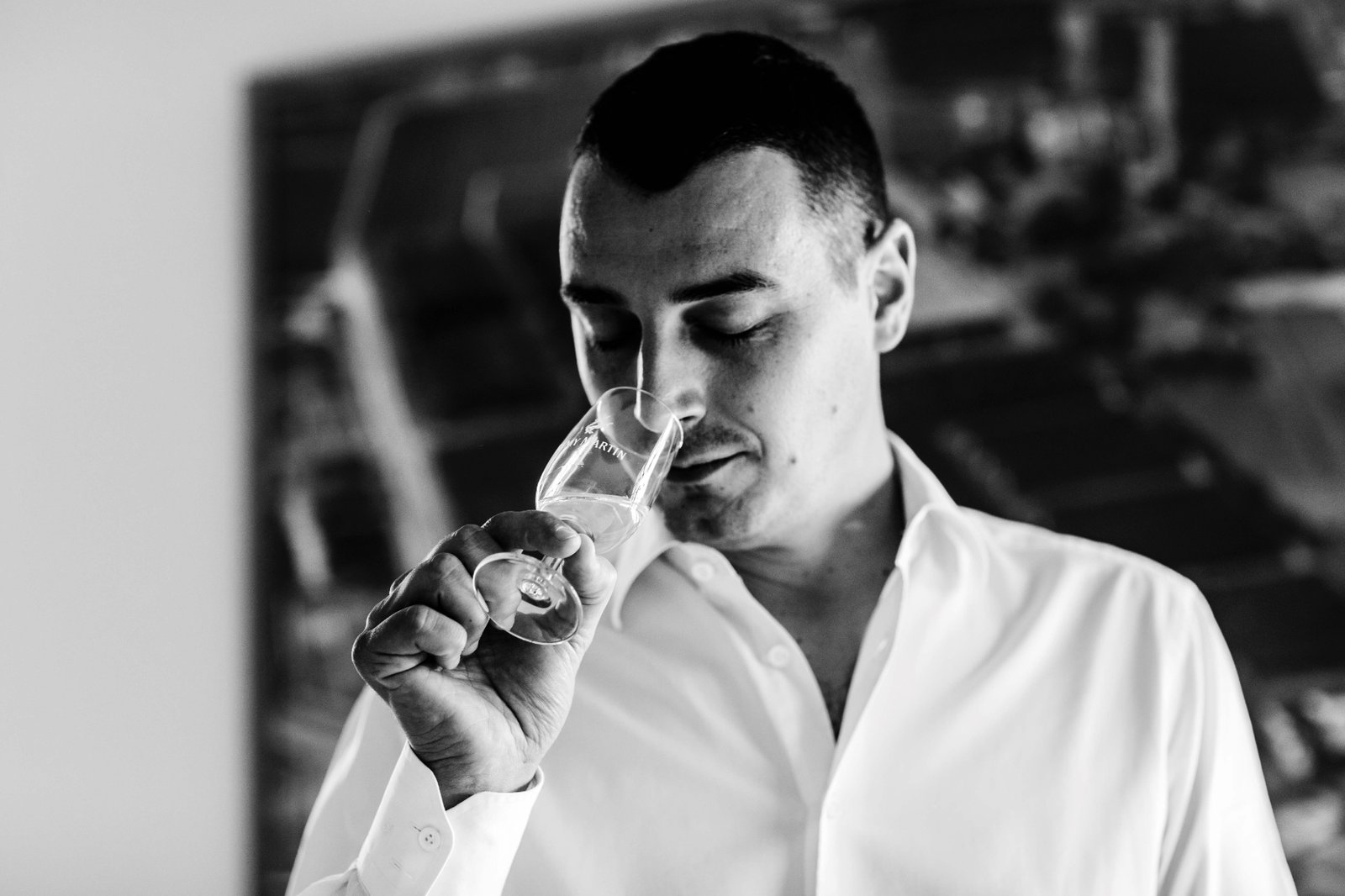
    I was recently in Calistoga to meet with Baptiste Loiseau, cellarmaster for Remy Cognac. We had a quick interview early in the day but I wanted more info, so I ended up monopolizing his time after dinner. We spoke for a very long time (I promised it was "quick questions" but I think it went an hour) and I learned so, so much!

    (However, please note that I wrote up this post working from my brief notes, rather than from a transcript, and it has not been fact-checked. )

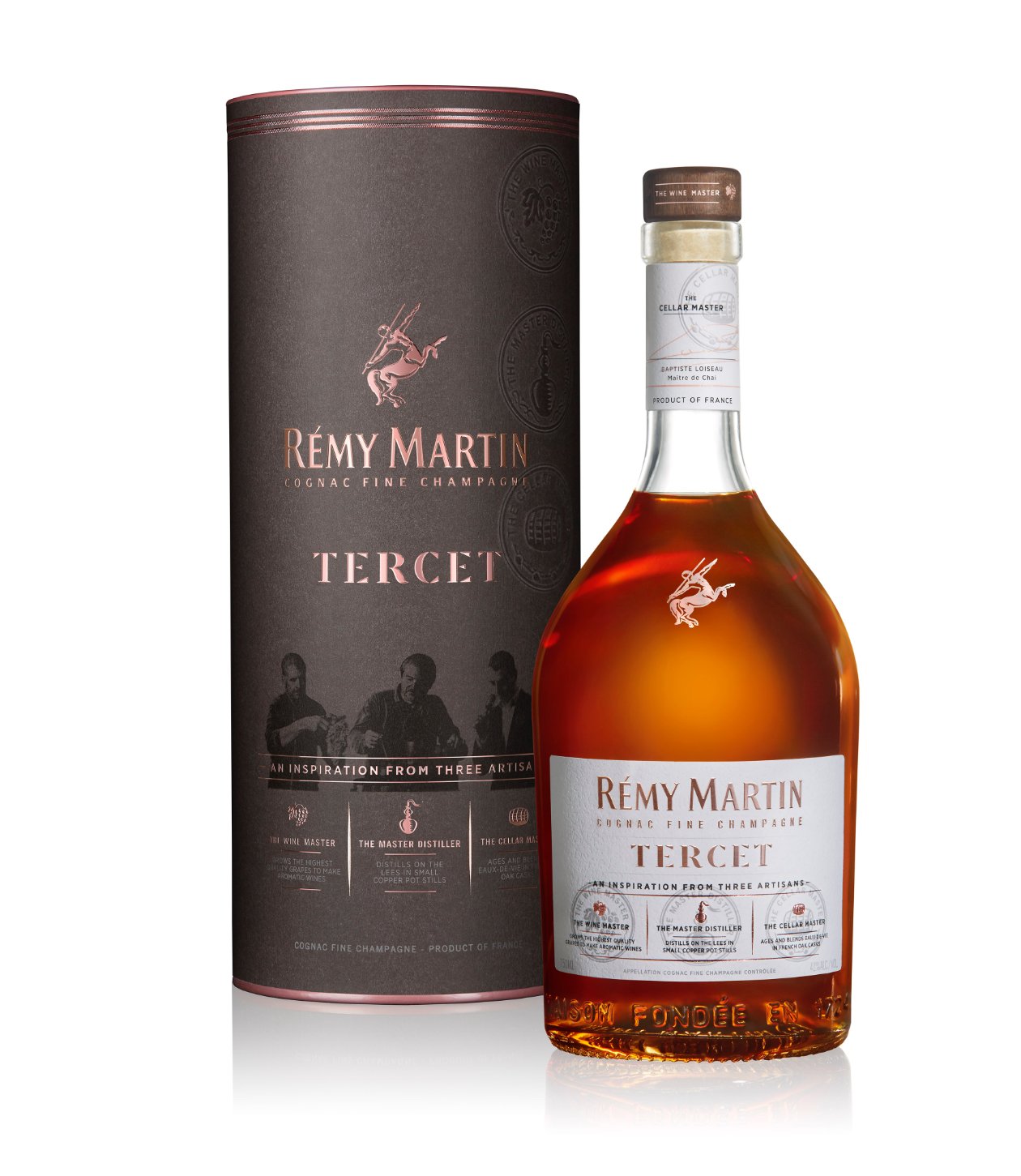
    The trip was to introduce the new permanent expression to the Remy line, Tercet. In this post I'll talk about the points of uniqueness of Tercet as well as Remy Martin cognac in general.

    Tercent sits in the range as such:

    • VSOP  $46
    • 1738  $60 
    • Tercet $110 
    • XO $200

    Plus the older/fancy bottlings. Tercet is aged to the legal VSOP level (4 years) but is closer in average age to an XO, according to Loiseau.

    Tercet 14

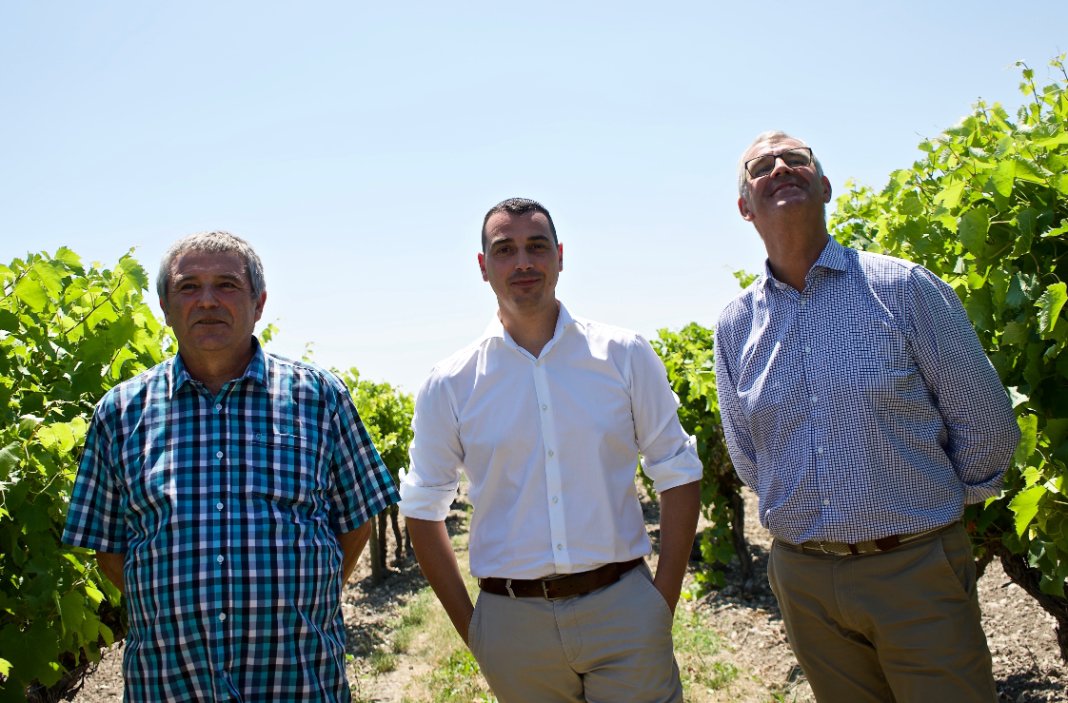
    Baptiste Loiseau. All images provided by Remy Martin.

    The marketing emphasizes "three artisans," – the wine master (grower), the master distiller, and the cellar master. The flavor profile notes emphasize it being "fruit-forward," "fresh," and with a "long and complex finish." And to me, the bottle evokes earthiness/rusticness/artisanship.   

    As always, I'm interested in why a brand story and flavor profile are described a certain way.  In the process of asking what is unique about Tercet and why it's positioned in this way I learned tons of information. 

    Remy Martin Tercet

    The Why of Tercet

    The brand found that many drinkers didn't know where cognac comes from or that it's made from grapes, even many fans and regular drinkers of cognac. (This is the case for many of the world's strongest spirit brands- people who drink Patron don't know it's tequila, people who drink Jameson don't know it's whiskey.)

    Loiseau said, and this is the only direct quote I have in this whole huge write-up, "People are enjoying a brand or a category, but if we want them to choose cognac in future years [if/when they become more educated drinkers] we have to emphasize what makes it special."

    To accomplish this goal, Tercet emphasizes grapiness/freshness in flavor, and the three producers on the label. And by emphasizing the producers on the label, this is a visual key to how it's made: it's made from Wine that is Distilled and Aged. 

    As to how Tercet is positioned in the line, Loiseau said that the 1738 blend more emphasizes woody notes while Tercet emphasizes the fruit. 

    Tercet is bottled at 42% ABV, which is higher than nearly all cognac. I asked Loiseau if the marketing department had come to him with a brief of needs list of a higher proof, but he said that no – he approached marketing with his desired proof for Tercet and they liked it as a point of differentiation. 

    Tercet 18


    Winemaking

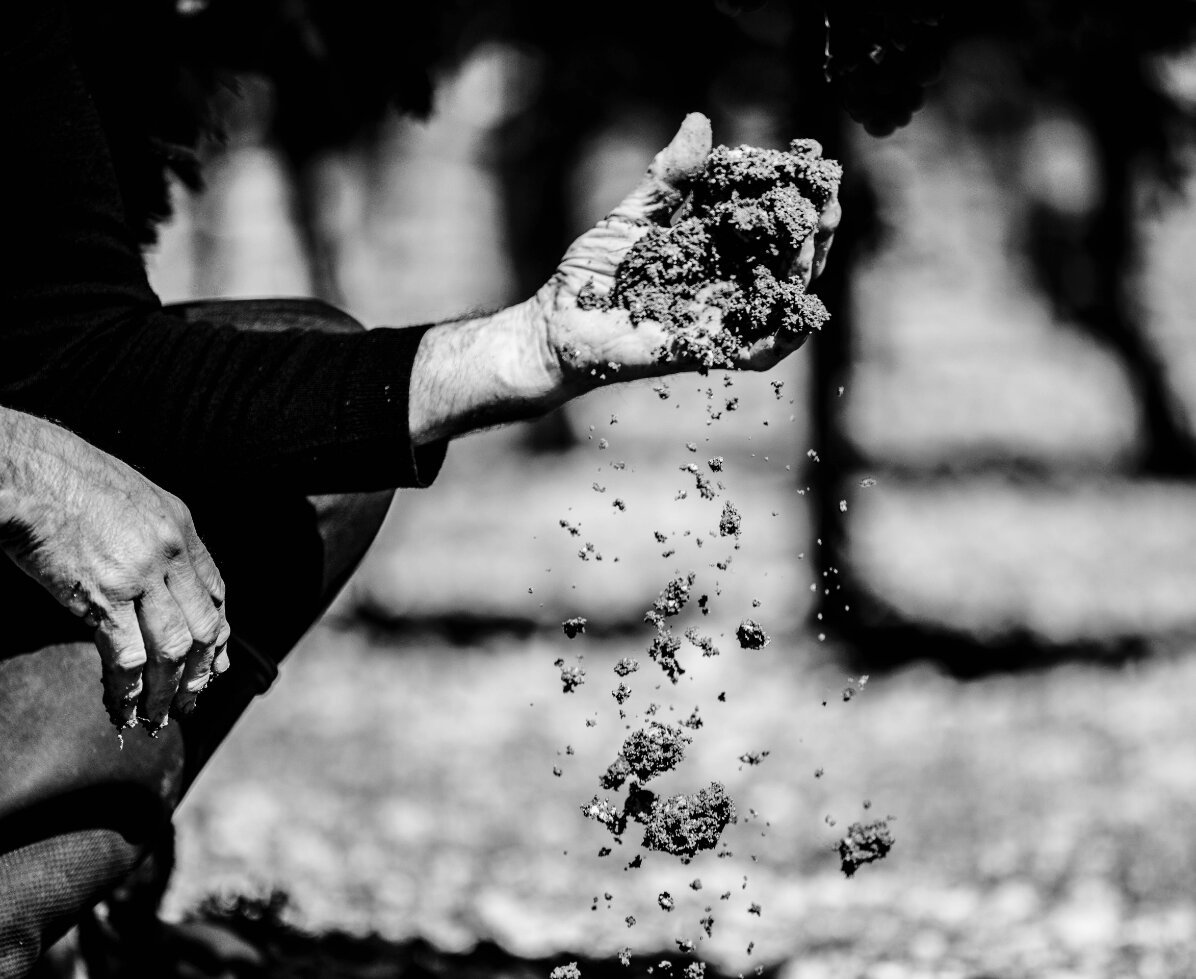
    Loiseau's history is as an agronomist and oenologist – in other words, an expert in winemaking. The marketing copy seems to imply that Loiseau  discovered wines from the artisan winemaker Francis Nadeau that were super interesting and he put some aside for special experimentation, but the reality is a different (not a huge surprise there, but much easier to explain). Loiseau estimated that Nadeau's distillates make up just about 1% of the liquid Remy buys overall. 

    On the other hand, Nadeau sells about 90 percent of his eau de vie to Remy, and his father and grandfather sold to the house also. So the company and the winegrower have a close and great working relationship, as well as an expertise in winemaking. 

    The new blend Tercet doesn't have a distinctly large amount of wine from Nadeau's vineyards – his emphasis on the packaging/marketing of the new release is a nod to his involvement of growing/pressing/fermenting/distilling the specific style of grape/wine used in the Tercet blend. 

    Sidebar: For the wines purchased by Remy Martin, the winegrowers distill at their own properties. Remy only distills wine from their own wineries. 

    Loiseau said that when he was working on this project, previous cellar master Pierrette Trichet expressed concern that when the distillate aged and evolved, it might not match the Remy Martin house style. But it all worked out: They followed this eau de vie along as it aged until they felt it was ready to take the spotlight. Then they had to make more of it. 

    Remy buys wine from about 800 winegrowers. They grow the grapes, press the juice, ferment, and distill them. They do this in the style of the cognac house they will sell to – for example some cognac brands distill on the lees (yeast and grape skin bits post-fermentation) and others do not. So going into the harvest, the winegrowers are given directions from the brands they plan to sell to about how they should make their distillates. Loiseau mentioned an "annual winemakers meeting" which sounds exciting to me, but you know, I'm special. 

    Many growers sell to multiple brands, so they are making different styles of eau de vie in one facility. (Fascinating! My idea of how this works was that after distillation various brands come and just pick and choose what they want from a bunch of vats of eau de vie, but rather it's "here's your order, make sure it's to your specifications, and then pay us!") 

    So Loiseau and his team must talk to all the growers each year and give them directives – not just specific to their house style, but specific to the wine produced at each vineyard: his team will taste the wines made at a vineyard and tell the local distiller to remove X amount of heads when distilling. A winemaker with a very good wine may be told to keep in a larger part of the heads, while a bad batch of wine will result in being advised to keep a much smaller percentage of the heart and discard more of the heads. Loiseau says that only more skilled winemakers can achieve the style of wine they're looking for (I think he was saying the type of wine specific to Tercet at this point in the conversation), so not everyone is advised to distill their wine the same way. 

    Only after newly distilled eau de vie is produced do people from Remy evaluate it and choose to buy or reject the eau de vie, so the the winemakers don't actually have to take this advice on how to make it. Remy pays more for distillate that has a potential for longer aging, so I wondered if winemaker/distillers try to include more of the heads than they should. Then the winemaker would have more distillate to sell if they keep in more of the liquid, but Loiseau essentially dismissed this as something that doesn't really happen. They work with winemakers every year to ensure they know what the parameters are going in, so why risk it? 

    Rémy Martin Tercet


    Aging

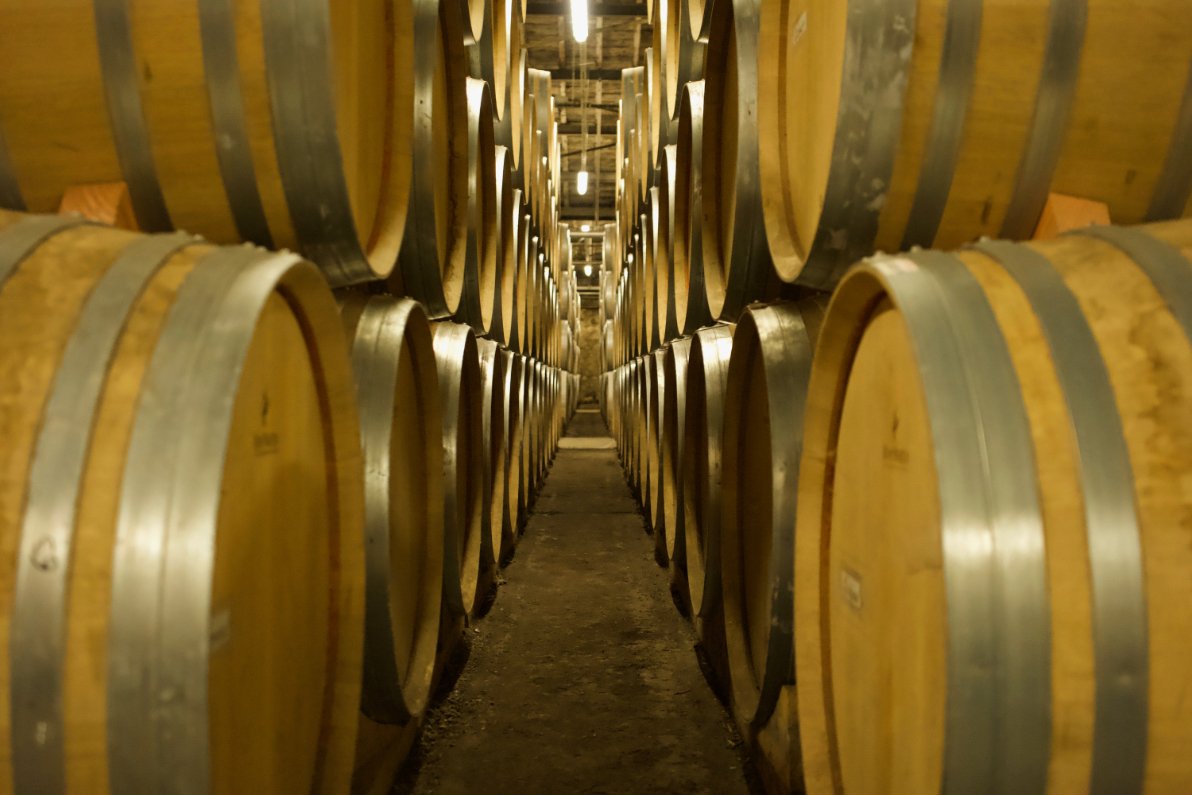
    Remy has two different types of contracts, for aging either at the winemaker's site, or aging in Remy's cellars. In either case, it's aged in Remy-purchased casks. Loiseau says the reason for not aging it all themselves isn't necessarily space issues, but for diversity of cellars and resulting flavor. 

    Cognac is aged in a combination of dry and wet cellars, but Loiseau says that the balance between cellars is not a point of differentiation for Tercet anyway. The barrels they use for Tercet are the point – they're older and give less wood impact in order to let the fruit shine through. 

    Rémy Martin Tercet 21
    Rémy Martin Tercet 21


    Make It Rich

    Tercet is also meant to have a richness to it, coming from distilling on the lees that bring more fatty acids to the final product. However when you distill on the lees, you have to pay extra careful attention to saponification  – when you dilute a spirit too quickly it can make unwanted soapy flavors. Loiseau says that for cognacs not distilled on the lees you can do a faster dilution scheme compared with the stuff distilled on the lees. 

    Another thing I learned is that you don't proof in the barrel directly due to the fear of saponification – those molecules (don't recall what type they are) tend to stick to the barrel and particularly when you reuse barrels the next thing to age in it is impacted by soapy flavors sticking around. 

    Even within a line of products from one maker, there are different dilution rates – unlike in some spirits, producers do not simply let a cognac age then add enough water to bottling proof. The richer products aging for longer get a slower rate of dilution: They add some water before putting the fresh distillate into barrels, then more at certain lengths of aging, then slightly adjust the proof before bottling. 

    Loiseau said that this gentler dilution rate also impacts barrel proof: To cognacs that are destined for younger products, you add water before putting them into the barrel the first time. This meets the ideal or target entry level proof found to best in cognac (overall in the industry – much like in bourbon, barrel entry proof was studied and a common standard was determined). Remy VSOP and 1738 go into the barrel at this standard proof. 

    So, for future fattier Tercet, less water is added at the outset, resulting in a higher barrel proof. Higher barrel proofs (higher than the ideal standard) do not, as you'd assume is the case, mean more wood extraction from the barrel, but less. So this means that there will be less wood flavor impact on this blend. And this helps ensure that the blend has the less-wood-more-fruit flavor they're going for. 

    Loiseau used the word "gentle" to describe how Tercet is produced to reach the desired flavor profile and said they use a gentleness in other ways too: There's a gentle pressing of the grapes to get a clearer juice/wine, a slower fermentation (temperature controlled) to keep more delicate aromas in the wine, a slower speed of distillation (longer warm-up), and slower water reduction scheme. So we can see that a cognac maker can identify the end product that they want to make and adjust many factors that will steer it toward that end – in the fermentation, distillation, aging, and dilution. 

    Dear Reader: This was so much new, exciting, revealing, and mind-blowing information – and most of it explained to me over the course of a single hour – that I was jacked up on science at 11pm and couldn't get to sleep for hours, despite all the cognac.  Of course, on rereading this post I could add another 20 questions about how Tercet's wine, distilling, and aging schemes differ from those of 1738 in particular, but that will have to wait for another opportunity I hope to get one day. 

    Tercet 17
    Tercet 17


    The Flavor of Tercet and Why

    As mentioned above, Tercet is meant to emphasize fruitiness, freshness, and a long finish.

    Distilling on the lees is meant to give the cognac body – softness and also a nuttiness, in addition to a potential for longer aging. 

    The grape and fruity flavors are emphasized by gentle handling of the liquid to ensure more of the raw material notes stay in the liquid rather than become covered up or evaporate off. 

    The fresh: notes Loiseau is talking about are actually tropical/exotic fruit notes like banana, pineapple, mango, and lychee. 

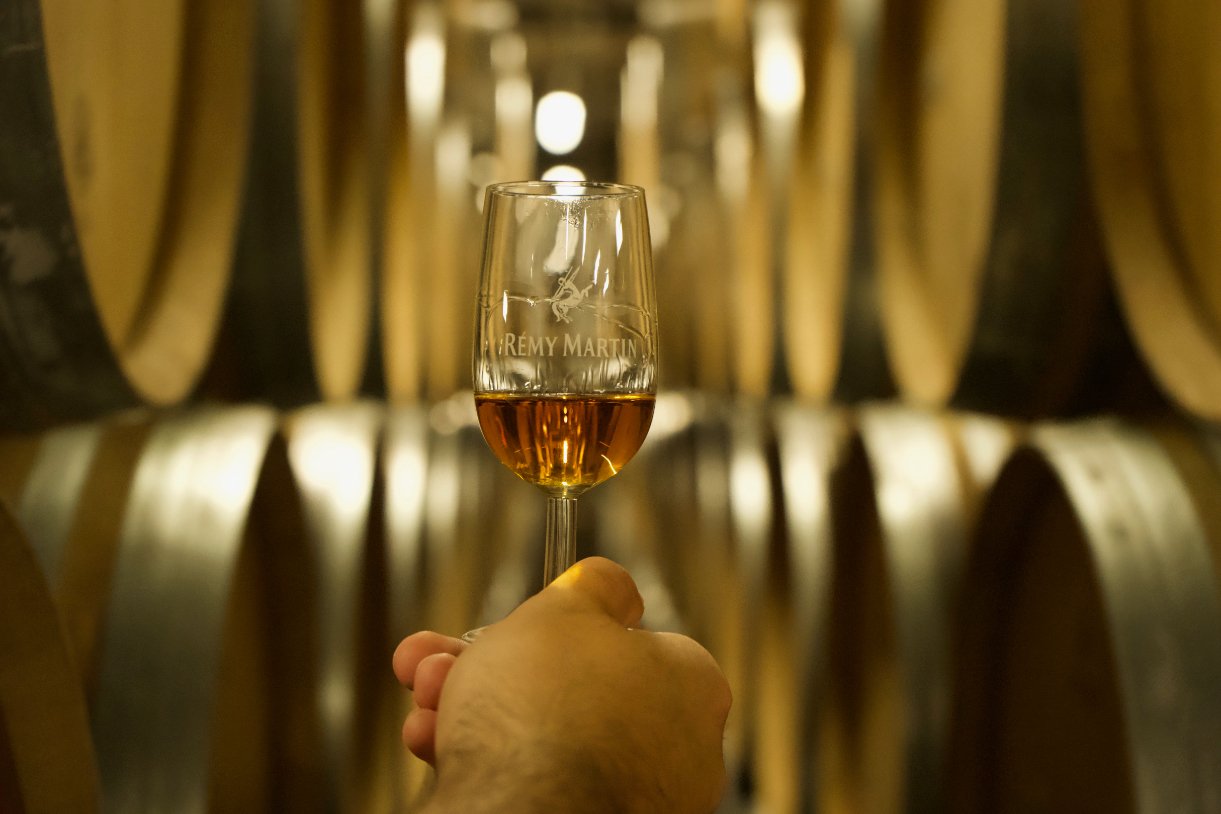
    The higher proof of 42 percent ABV helps these notes pop out first – on nosing they quickly pop. And then it's time for that long finish – tons of Christmas cake, ginger, nutty, nutmeg and spice notes come out. These come in part from the fatty acids there from distilling on the lees. Loiseau noted that the base notes are present in Tercet while the woody, tannic notes of the barrel are not emphasized in the blend. 

    This long and spicy finish comes from using older cognac in the blend that has had time to develop this complexity and a rancio notes. When we added ice to the cognac (which I was hesitant to do) the extra 2% ABV helped it stand up better to dilution, the creamy body remained in the brandy in the glass, and leathery sort of notes and that ginger dominated. It had the notes of many peoples' ideal Old Fashioned. 

    Tercet 1


    Thanks to Remy Martin and Baptiste Loiseau for an awesome opportunity to geek out on cognac!


  • Grains of Peril: The Frivolous Florida Gin Lawsuit and Adulterant Analysis by Lance Winters

    You may have heard that a lawyer in Miami is suing Bombay Sapphire gin because it includes grains of paradise in the recipe

    DownloadThe suit is due to a 150 year old law meant to prevent potentially dangerous adulteration of alcoholic beverages. Also included in the law were several other "adulterants." As posted to the HoochLaw blog, the law reads

    Whoever adulterates, for the purpose of sale, any liquor, used or intended for drink, with cocculus indicus, vitriol, grains of paradise, opium, alum, capsicum, copperas, laurel water, logwood, brazil wood, cochineal, sugar of lead, or any other substance which is poisonous or injurious to health, and whoever knowingly sells any liquor so adulterated, shall be guilty of a felony of the third degree.

    When I saw this, I realized cochineal, a common red coloring derived from scale insects, would also render many spirits illegal in Florida if grains of paradise are.

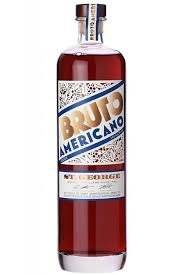
    One of those spirits is St. George Spirits' Bruto Americano, an Italian-inspired aperitif liqueur colored with cochineal.

    Lance Winters, President & Master Distiller for St. George Spirits, sent me an email with his (amazing!) analysis of the situation. 

    Winters wrote:

    To adulterate something is to corrupt it, often in an effort to perpetrate fraud by creating a counterfeit of something. In 1860 when this law was written, there were small rectifiers and liquor compounders across the country who would often "create" one spirit out of another.

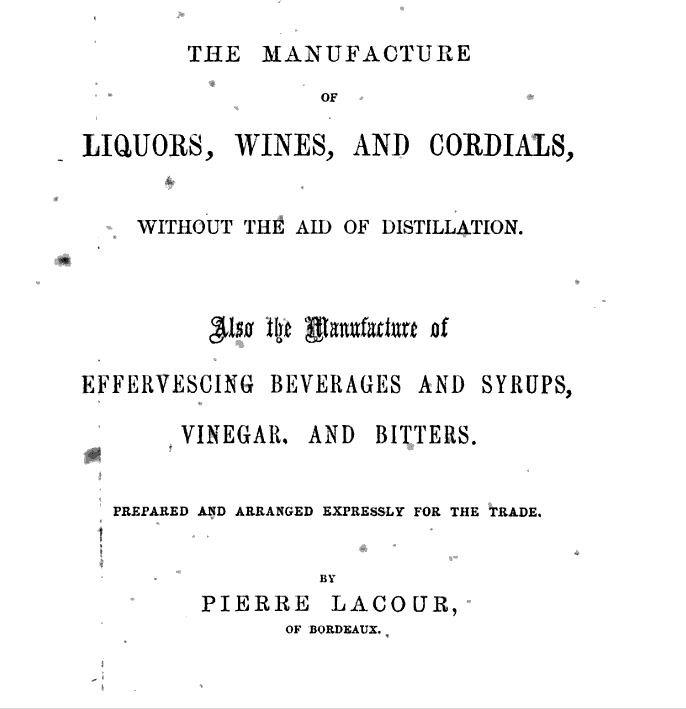
    For example, a "French brandy" could be made from a mixture of high proof grain spirits, Cognac oil and coloring. Another recipe in Lacour advises on making Cognac: "One barrel of whiskey, say forty gallons, add tincture of grains of paradise, one quart; powdered catechu, three ounces; mucilage of slippery elm bark, two thirds of a pint; oil of lemon, eighty drops; well rubbed in an ounce of dry white or brown sugar, and added to the liquor; then add six ounces of acetic ether".

    As these recipes show, ingredients like those listed in the Florida law were often used to create imitation versions of spirits, hence the use of the term adulteration. Grains of paradise in particular were used for hundreds of years to make a spirit seem stronger than it actually was, allowing an unscrupulous compounder to label a spirit with a higher alcohol content than was actually in the bottle. Capsicum, also listed in the regulation, was often used to give the false sensation of a higher alcohol content.

    The statement that the use of grains of paradise was "unconscionable" relates to [the lawyer's] prior claim of the spice to induce abortion. Grains of paradise are not an abortifacient. Their intense flavor was often used to mask the taste of abortifacients which were administered without the knowledge of the pregnant woman.

    Cocktail Geeks will know that in the back of the original Jerry Thomas' Bar-Tenders Guide was the Guide to Manufacture of Cordials, Liqueurs, etc., which had similar recipes for adulterating neutral spirit to make gin, whiskey, etc.. 

    Lance Winters then went on to describe what the other illegal ingredients were used for in adulteration: 

    Cocculus indicus was added to beer to promote a sense of giddiness. It's now commonly used as a homeopathic remedy for motion induced nausea.

    Vitriol is good old sulfuric acid, used for the "beading" effect in liquor in an effort to further falsify alcohol content. If it's so dangerous, why is there so much food grade sulfuric acid available?

    Grains of paradise were also known as Guinea pepper. In "Lacour, on the Manufacture of Liquor" (1853), an old how-to for both genuine purveyors and shysters, the author states that "Of the different varieties of pepper, none answers for the purpose of giving a false strength to liquors, except Guinea pepper; a tincture prepared from this variety has a taste analogous to alcohol, whereas the taste from the other varieties remains on the palate a considerable length of time after being swallowed."

    Alum was used to intentionally impart roughness to wines, again (I assume) to give the sense of a higher alcohol content. We most often use it in pickles.

    Capsicum was another tool to falsify alcohol content. It's also food. Packed with vitamin C. Say goodbye to pepper flavored vodkas in Florida.

    Copperas is an Old-Timey name for iron II sulfate. Probably used to color spirits that were supposed to have some sort of herb content or to stabilize same. Now found in supplements for people with iron deficiencies.

    Laurel water was distilled from the leaves of the cherry laurel and consisted chiefly of prussic acid. Probably used to give almond notes to artificial kirsch. Totally poisonous. Not going to argue that one.

    Logwood is a dye, brown, red and purple. Not sure about its toxicity, but was probably used to give the impression of barrel aging.

    Brazil wood would have been used in the same way.

    Cochineal, same use, currently used to color foods and cosmetics.

    Sugar of lead? C'mon, that's just silly. And toxic. And already prohibited.


    Lacour
    Lacour
    Lacour

    Thanks to Lance Winters for his analysis/rant in the form of detailed information!

    As is probably obvious to all but the lawyer in question, the spirit of the law seems to be to prevent using these ingredients to fool customers into purchasing counterfeit and potentially dangerous alcohol. Most of the ingredients are Generally Recognized as Safe by the US government, so they're permitted in the standard production of food and beverages. 


  • Creepy Halloween Mask Frozen In Ice Blocks

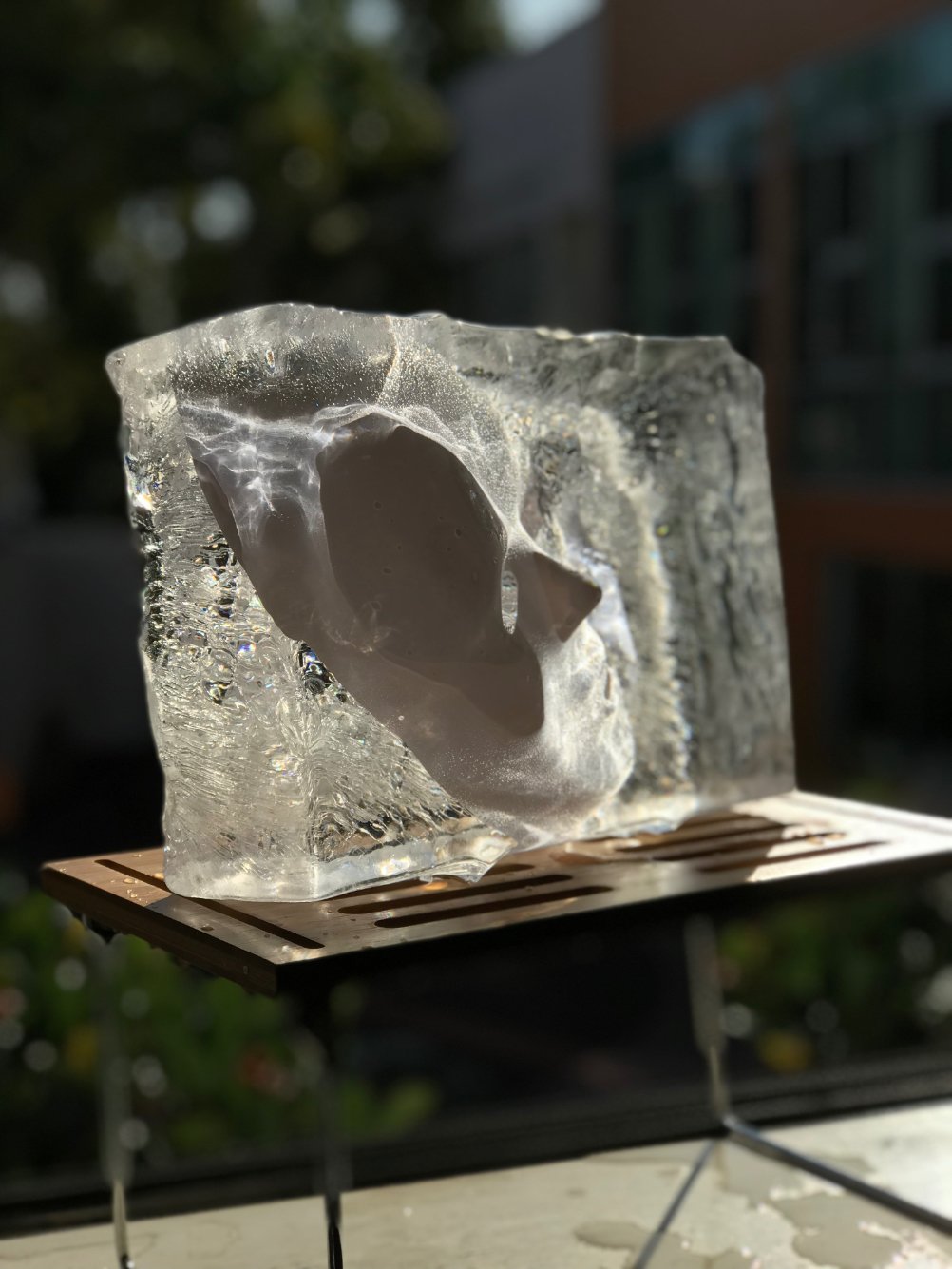
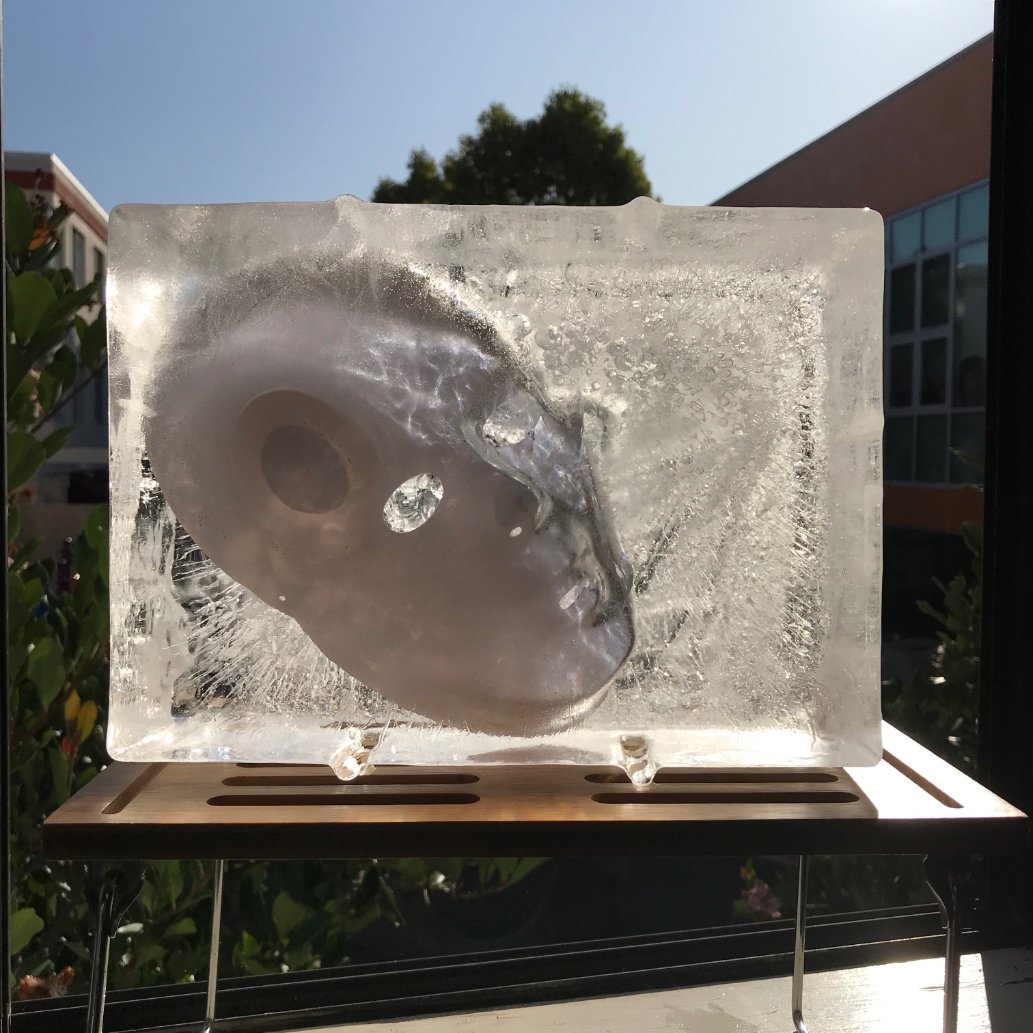
    I'm up to my silliness again. I had the idea that I could freeze masks into ice blocks for decoration, so in advance of Halloween Superstores opening around town, I bought some masks on Amazon. 

    I bought this terribly ugly Frankenstein mask, but as it's made of foam it just floats on top of the water rather than freezes inside the block. 

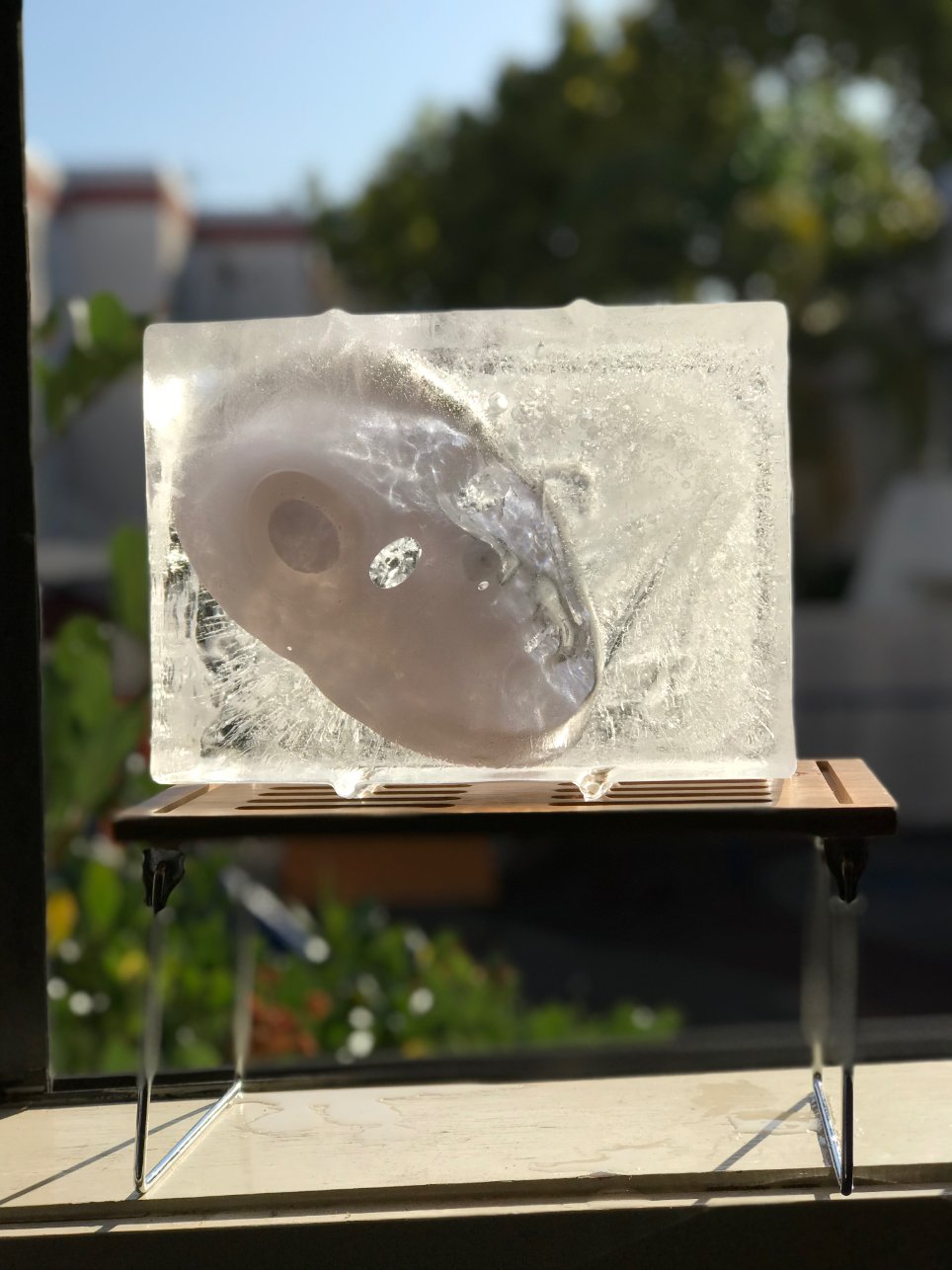
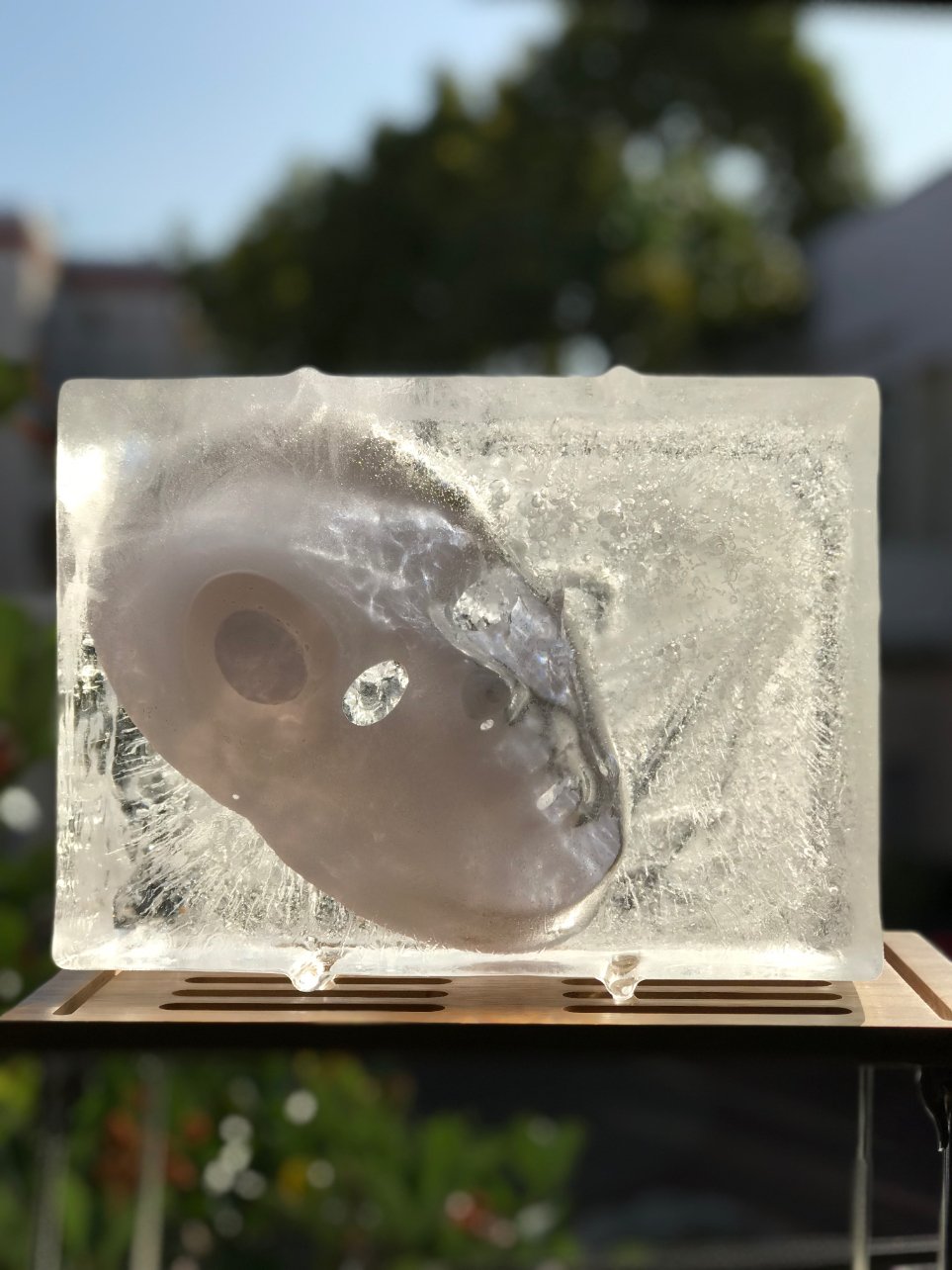
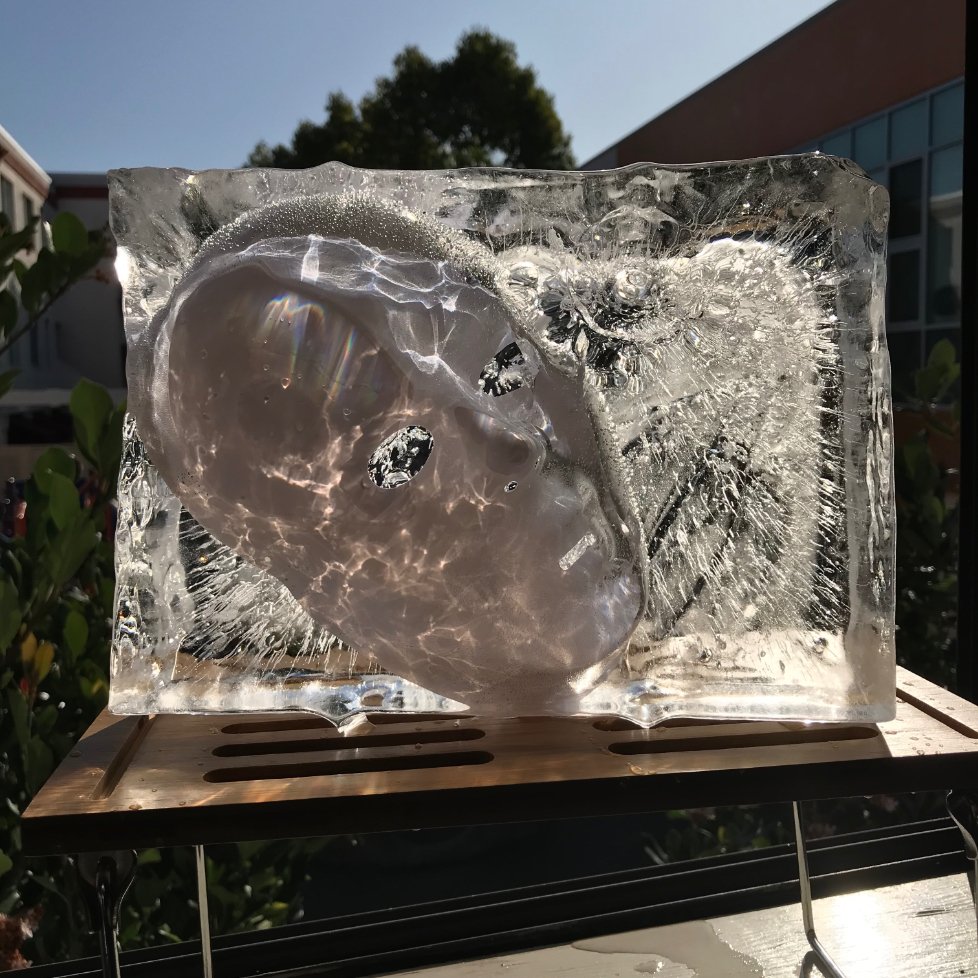
    I also bought a set of cheap plastic "drama party kids face masks" and tried those. They sink inside the cooler (by the way, I make them similar to how I did this dinosaur head ice block using Directional Freezing in an Igloo cooler) so I was going to suspend it in the Igloo cooler from the elastic string on the mask, but instead I just left a tiny bit of air under the part of the forehead of the mask – you can see it pokes out from the block. The mask stayed suspended in the ice block pretty well. 

    I left it to freeze for a few days and if I do it again I'll let it go a shorter time as the cloudy part of the ice formed on the bottom (behind the mask). But anyway it came out pretty cool. 

    Mask White in Ice Block7
    Mask White in Ice Block7
    Mask White in Ice Block7
    Mask White in Ice Block33
    Mask White in Ice Block33


    After I thought I was done with the experiment and taking pictures,  I was rinsing off the block in hot water in my sink. As I was able to pull the mask out of the block I found that the mask left the impression of the face in the block! It looked super creepy and now I'm thinking for future experiments I should see about other shapes I can press into ice blocks… 

    Mask White in Ice Block13
    Mask White in Ice Block13
    If you like this post, you might also like:

    Dinosaur Head Ice Block

    Eyeball Ice Balls for Halloween

    and as usual, the complete Index of Ice Experiments on Alcademics is here


  • Eyeballs Inside Ice Balls – Halloween Ice

    I did another stupid thing! 

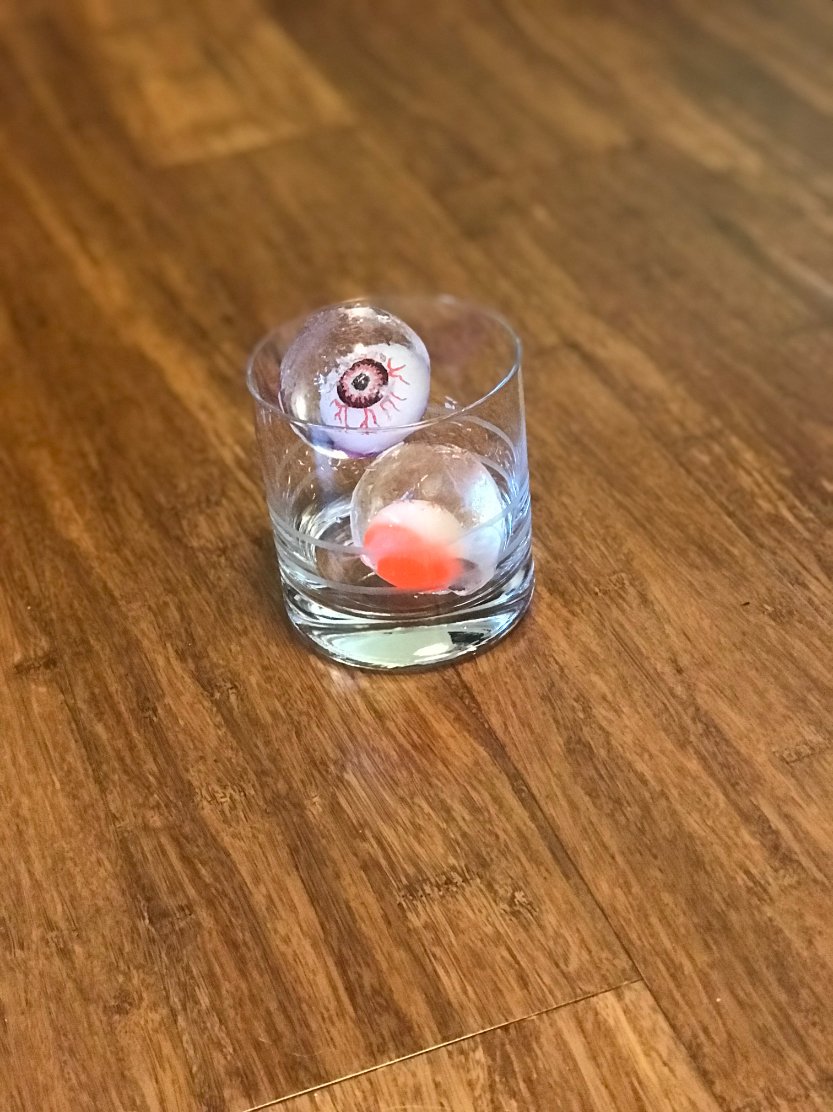
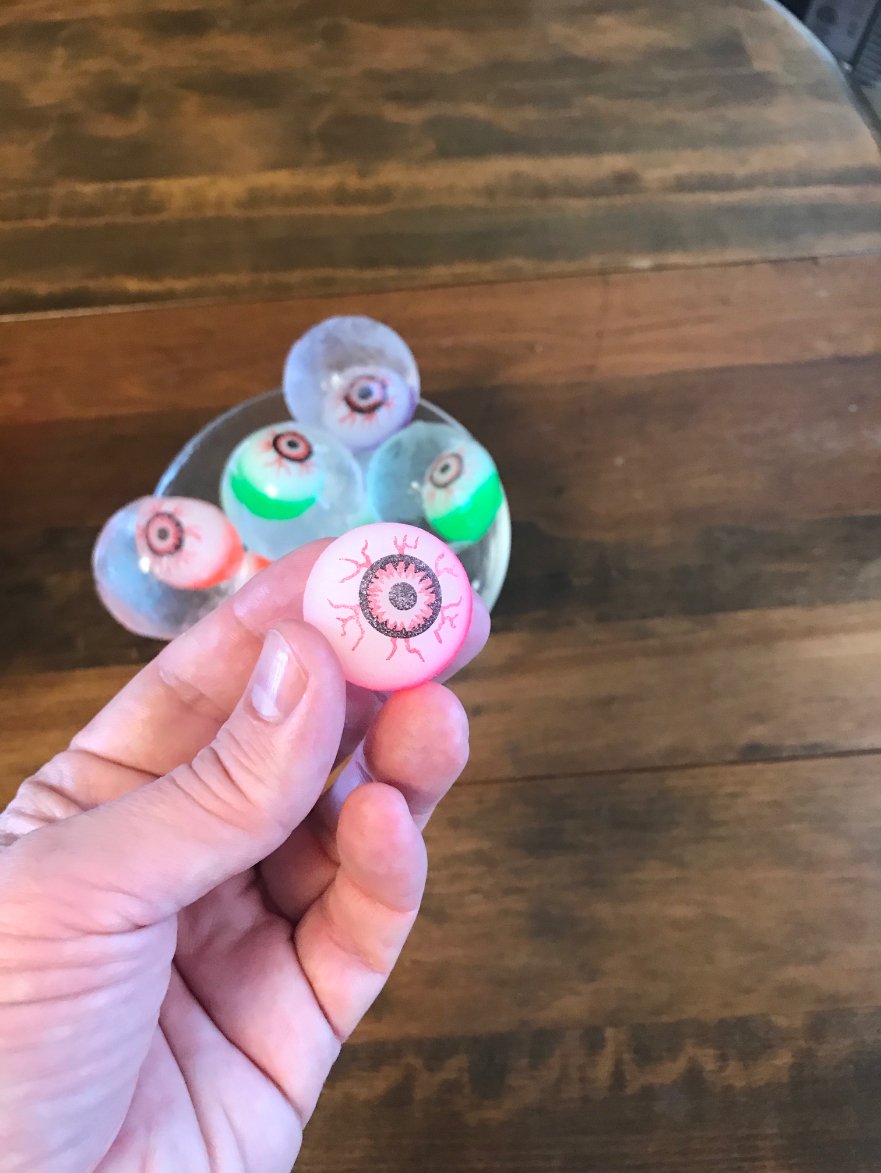
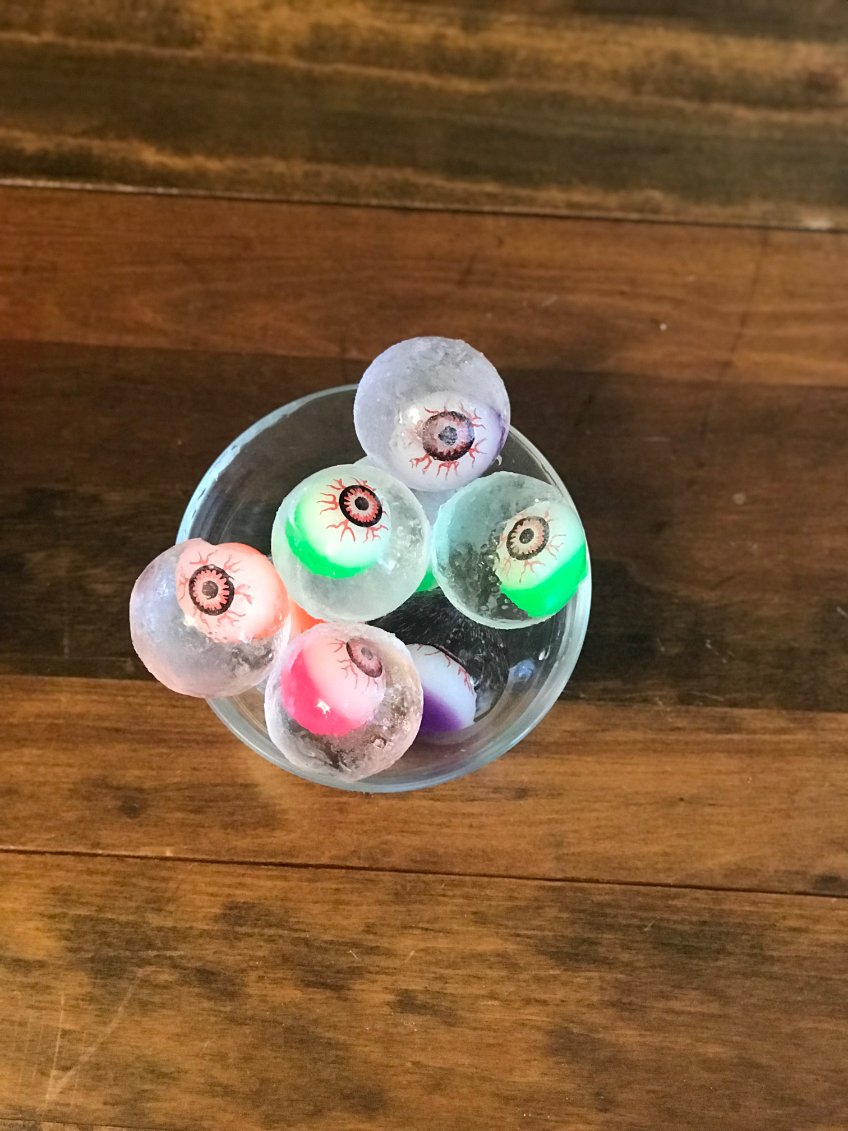
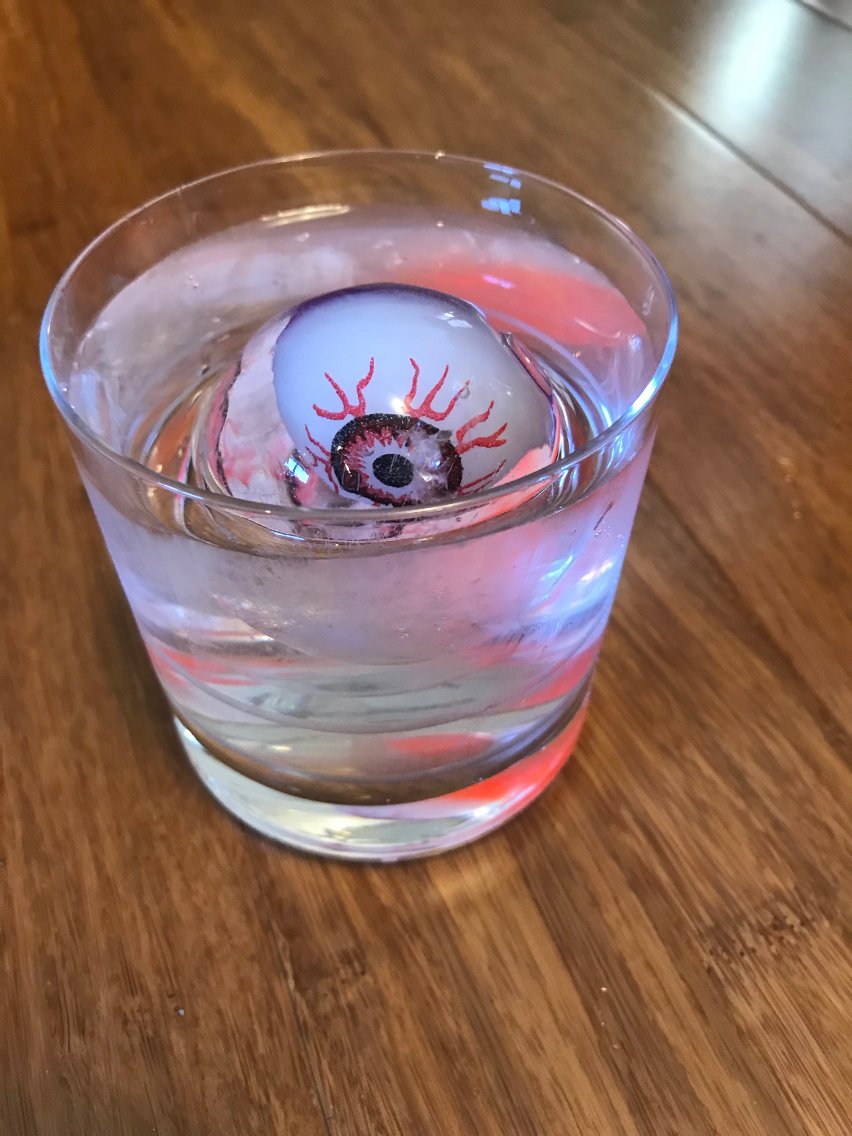
    I bought some bouncy eyeballs in the Halloween section of the drug store and put them inside the IceOlogy clear ice ball maker.

    The balls float inside the ice ball molds so when they freeze they're touching the outside of the ice ball- I'd prefer them to be fully enclosed in ice. Because the balls are not food safe I would not recommend serving these to customers in a bar setting, and because they touch the outside of the ice I'd not recommend serving them in alcohol, lest it degrade the plastic. 

    Eyeballs in ice ballsIMG_6387
    Eyeballs in ice ballsIMG_6387
    Eyeballs in ice ballsIMG_6387

    Eyeballs in ice ballsIMG_6397
    Eyeballs in ice ballsIMG_6397

    But anyway, another fun ice project for home. If you liked this, you might also enjoy these Spiders and other Insect Ice Balls I did last year. 

    6a00e553b3da208834022ad3763c1b200c.jpg

    For an index of all sorts of exciting clear ice projects, visit the Index of Ice Experiments!


  • Ramping up Aromatics in Cognac: How Camus Does it

    When I was in China helping judge the Camus cognac Shanghai Shake, I had the opportunity to interview president Cyril Camus. 

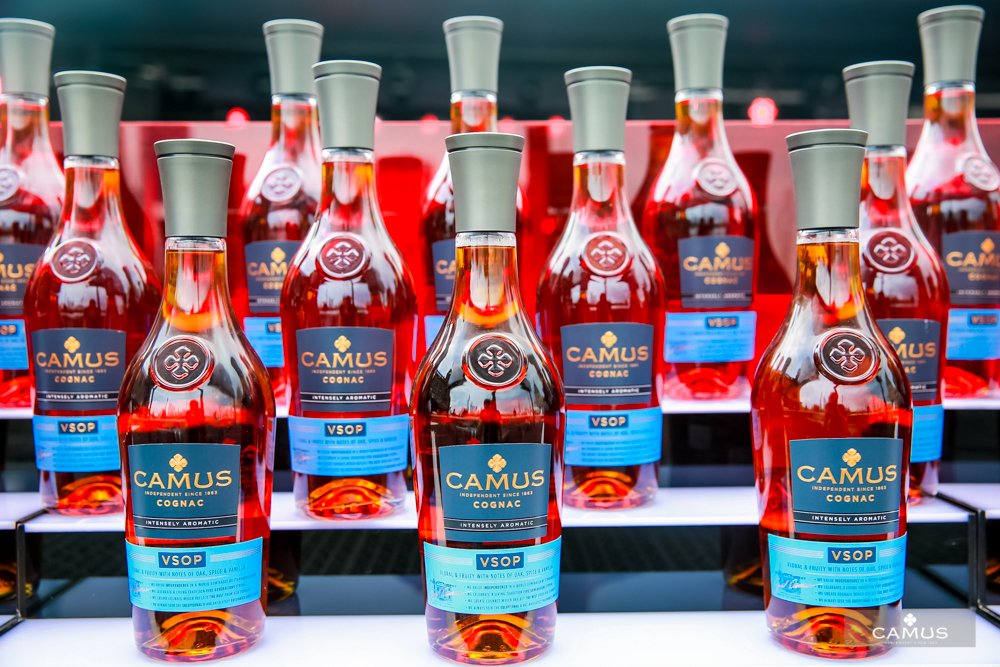
    Recently the language on Camus' core line changed to invoke "intensely aromatic" language on the branding. Cyril says that this has rolled out in the US and some other markets, with more to come. They're particularly promoting the VSOP (using the phrase "Very Special" instead of VS on that marque).

    SONG4598_w3207


    I asked Cyril about the reason for the rebrand/change in flavor profile- particularly from a marketing perspective. What was the consumer demand for the change, if any? Was it to be more useful in cocktails? 

    He says that this was not the case. "I think that the density of aromas and lower level of wood allows you to make more aroma-forward cocktails. It's good timing, but wasn't the reason we did it." 

    SONG4956


    In the first place, I didn't realize that this flavor profile change wasn't instant; it's more of an evolution of flavor profile building up to the VSOP/XO of today. Cyril says about 15 or 16 years ago, they were trying to define from a consumer standpoint how people define or judge a cognac as the best. They wanted to have a "measureable, distinctive point" of quality over other brands so that they didn't need to rely on the typical language of 'a blend over over X cognacs aged up to Y years' that all the other brands use. 

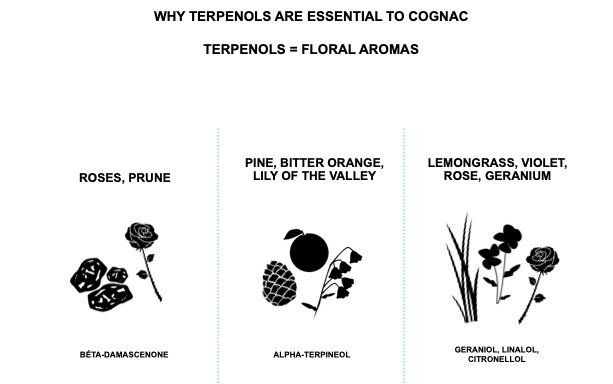
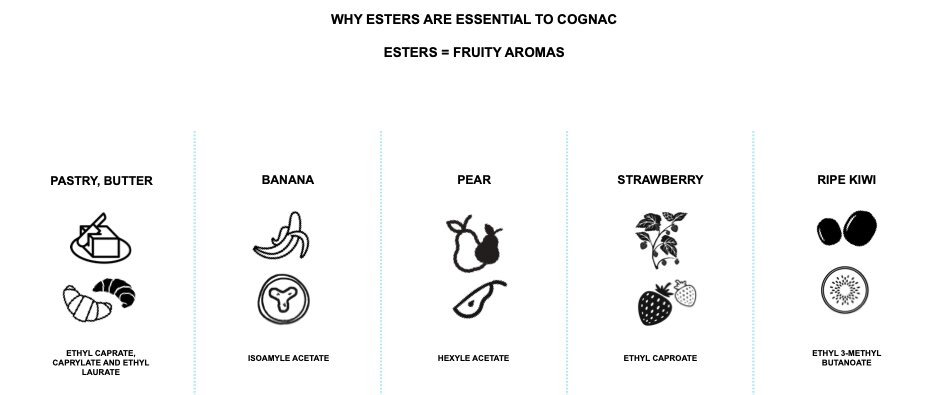
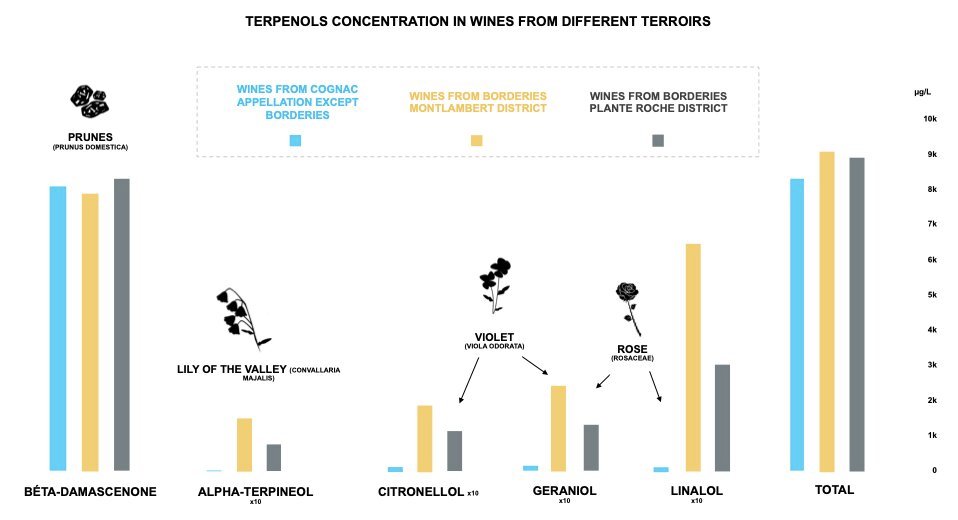
    They determined three important factors: the density of floral aromas (which they measure via concentration of terpenols); density of fruity aromas (measured in count of esters); and the balance between fruit notes and wood impact. With this in mind, they set out to move the flavor profile towards something "obviously distinctive." 


    [all images in this post provided by Camus]


    Screen Shot 2019-09-13 at 4.13.21 PM
    Screen Shot 2019-09-13 at 4.13.21 PM


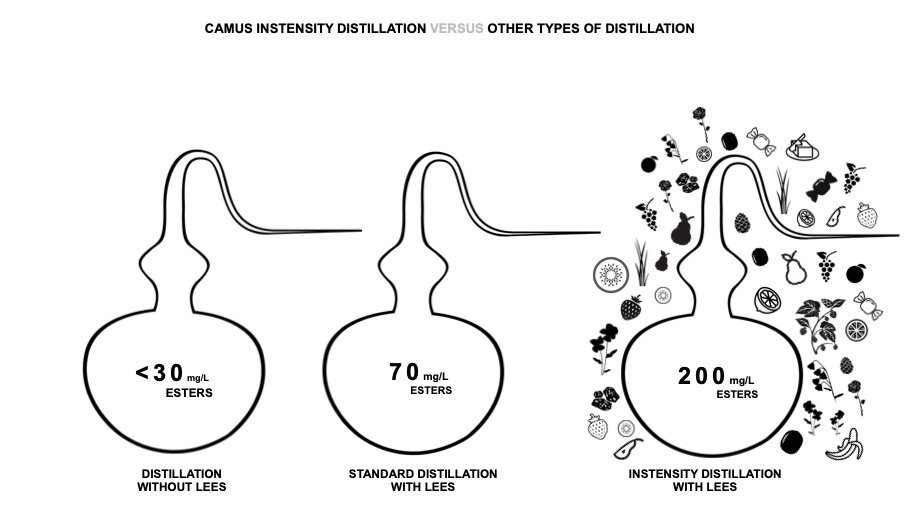
    The biggest change made (about ten years or so ago) was distilling on the lees – the dead yeast and other particles from the winemaking process left unfiltered. According to their materials, this raises the amount of esters from 30mg/L up to 70 mg/L. 

    One thing that hasn't changed is Camus' use of grapes from the Borderies region, where Camus is based. Cognac from this region is said to be more floral than from other regions, and this adds to the terpenol count. The Borderies is only about 5% of the total cru for growing cognac grapes. 


    Screen Shot 2019-09-13 at 4.13.50 PM


    In the vineyard, they make efforts to have the best wine by putting weather stations in the vineyards (only about 10-15% of the grapes they use are from their own property) to know best when to harvest, and then harvesting extra-quickly with larger machines than are strictly necessary. As grapes are being transported to the presses they are seeded with yeast, which I'm guessing is to ensure any natural fermentation that happens along the way happens with their own yeast strains rather than the natural ones from the vineyards. 

    Camus distills about 90% of the wine sourced from about 200 growers (plus their own grapes), and the rest is distilled according to their patented process. 

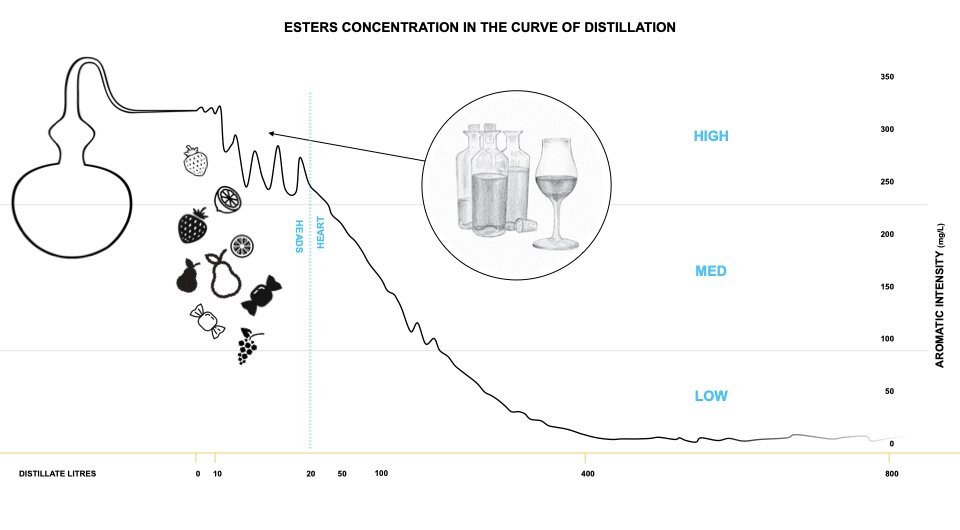
    About that: another factor in ramping up aromatic intensity is including more of the heads of distillation in the product. Cyril says that the first 20L of the second distillation are the heads are removed and stored separately liter by liter. Cyril says that though the heads are known for being very aromatic and full of esters, they're also pretty unpredictable in quality. So the master distiller will go through and taste/nose the heads and include back into the heart the desired heads fragments. These heads are not aged separately but put into barrel with the hearts.


    Screen Shot 2019-09-13 at 4.21.20 PM


    This brings up the esters from 30mg/L without lees to 70 with lees to 200 mg/L with their "intensity distillation" process. 


    Screen Shot 2019-09-13 at 4.13.37 PM


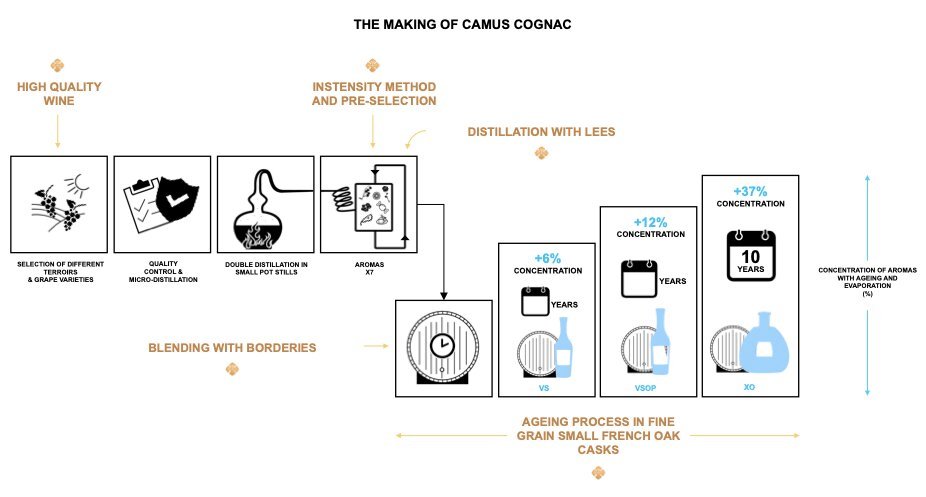
    I asked Cyril if since they were making these adjustments gradually if the XO (a minimum of 10 years old) was of the same level of aromatic intensity as they were seeking to achieve with the VSOP. He said that distilling on the lees, which they've been doing for 10 years now, has the majority of the impact, and though the flavor profile will change a bit in the future years, those changes will be minor overall. But, he says, they're now in the position to explain to consumers why they're different. 

    As for the balance of fruit to wood notes, they're also using fine grain oak for their barrels low in tannins and lightly toasted to minimize the wood impact on the spirit. They also use older barrels that have had many of their tannins stripped already. 


    Screen Shot 2019-09-13 at 4.14.13 PM

    It's terrific to see some numbers and logic behind what a cognac brand is doing!


  • Dinosaur Head Ice Block

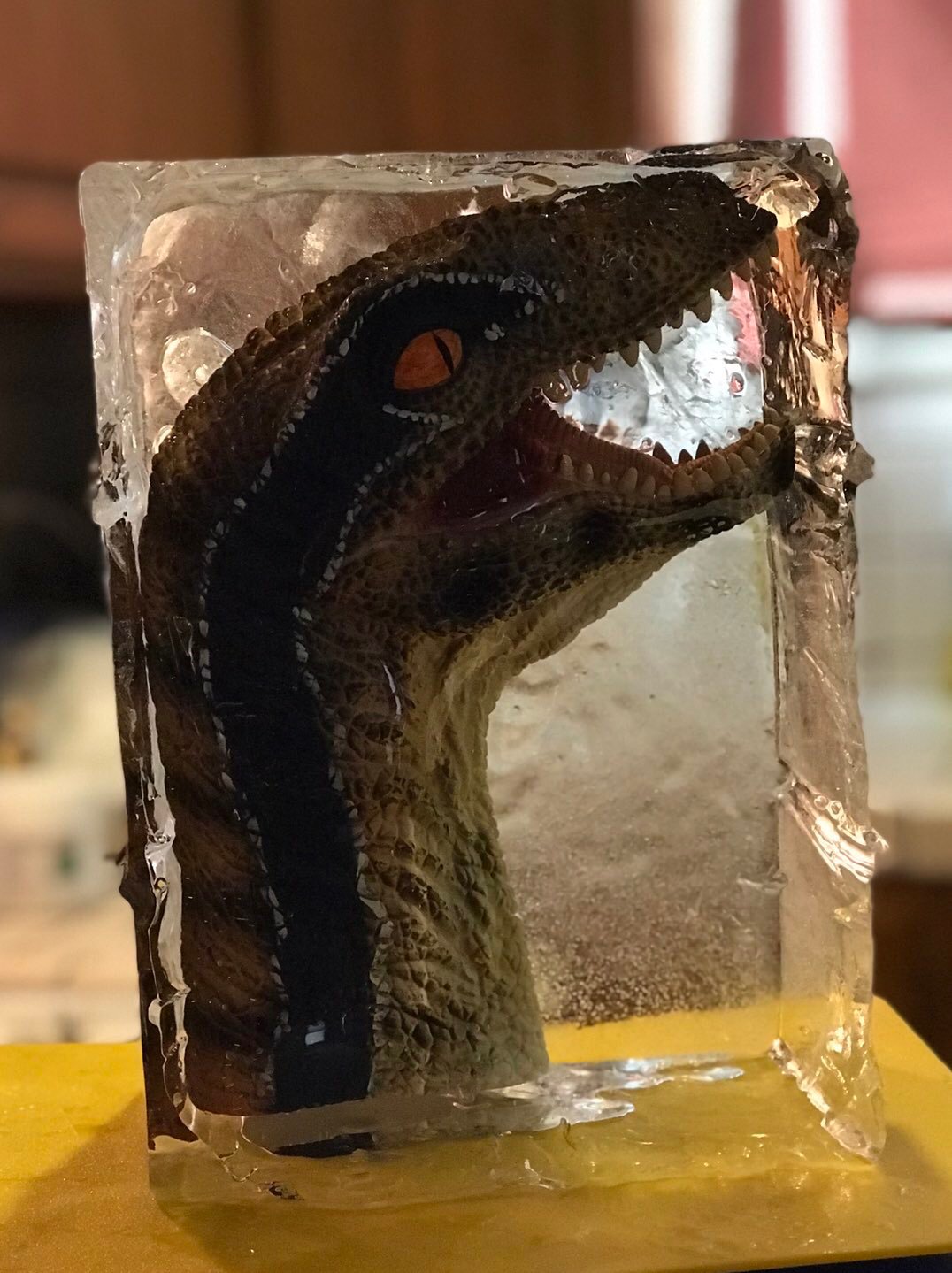
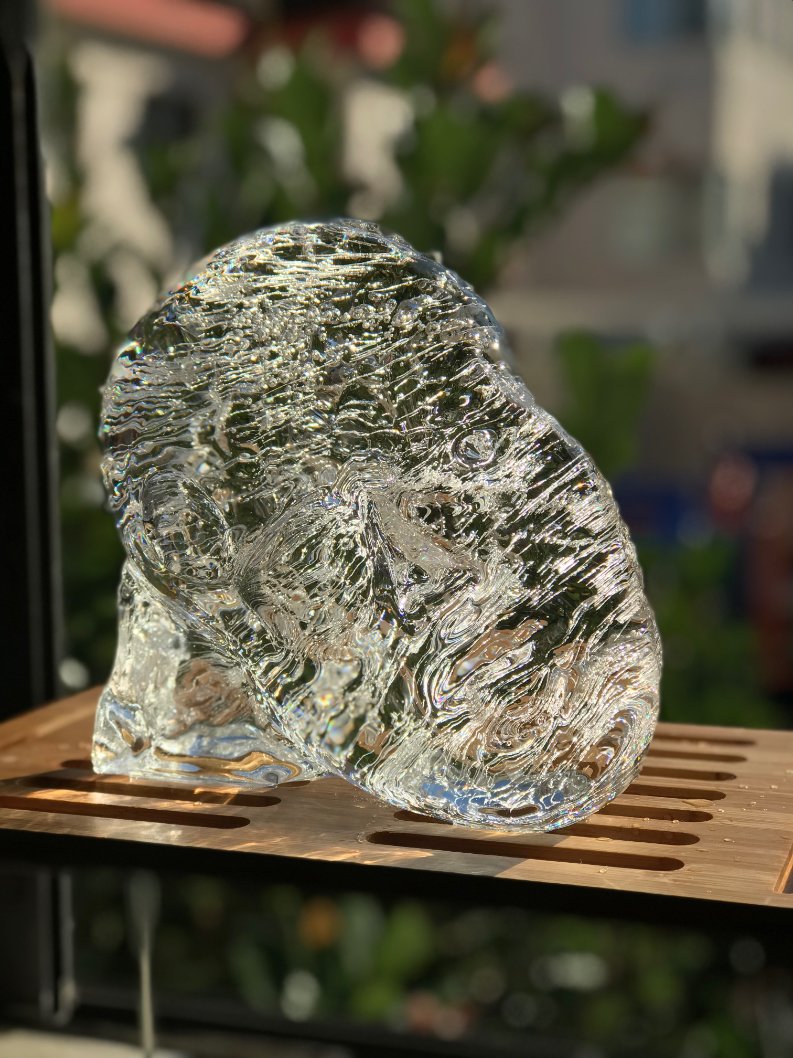
    I was recently in Shanghai judging a cocktail competition and saw a dinosaur hand puppet for kids in a store. Naturally, I thought, "I bet this would fit in my cooler and make an awesome ice block."

    Ice fans, I was correct. 

    Dinosaur mask ice block2
    Dinosaur mask ice block2

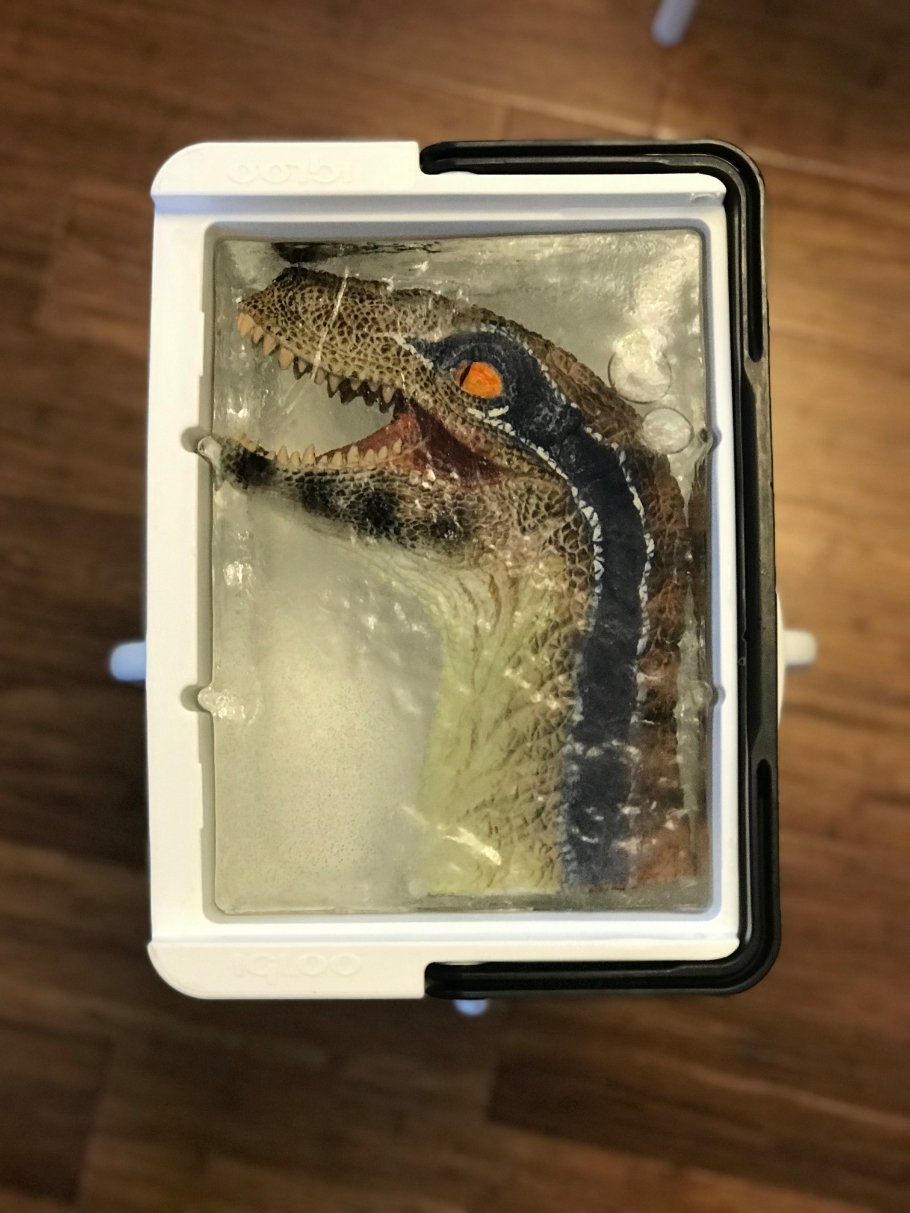
    The head fit perfectly into my igloo cooler. I filled it with water along with the cooler and stuck it near the water's surface. It was just touching the sides so I didn't need to support it- perfect fit. 

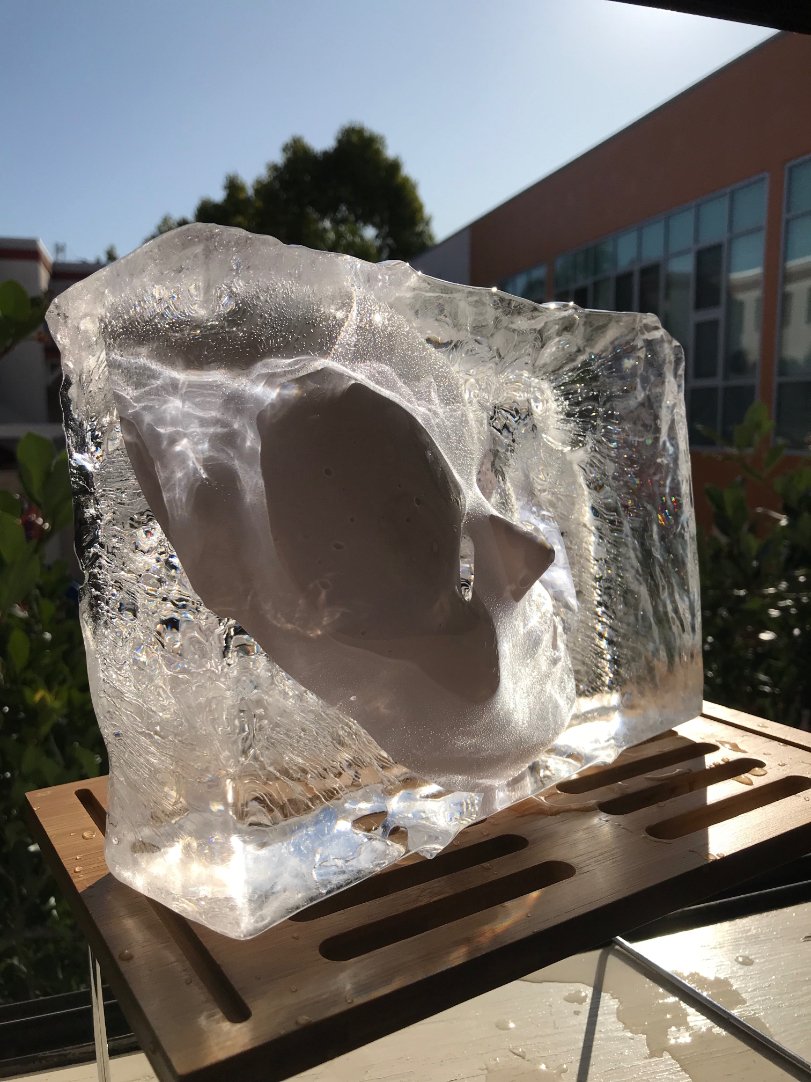
    If you're not up to speed on how the block came out so clear, it is because of Directional Freezing. I didn't allow the entire cooler to freeze, but removed it before the whole block froze; about 2 days. (In fact the bottom side of the dinosaur isn't frozen enough and pokes out of the ice a bit – if I do it again I will leave it in a little longer.)


    Dinosaur mask ice block9

    This would be a fun presentation as a display block for events.

    Even better, if I made yellow-tinted ice balls (saffron-infused water) and put mosquitos inside them, for a full Jurassic Park themed cocktail service! 

    For more information about directional freezing and wacky ice projects of all types, check out the Index of Ice Experiments page here on Alcademics. 


agave alcademics Angostura bartenders bitters bodega bourbon bowmore Campari Camper English chartreuse clear clear ice cocktail cocktail powder cocktails cognac curacao dehydrated dehydrated liqueurs dehydration directional freezing distillery distillery tour distillery visit france freezing objects in ice hakushu harvest history how to make clear ice ice ice balls ice carving ice cubes ice experiments isle of jura jerez liqueur makepage making clear ice mexico midori molasses orange orange liqueur penthouse pisco potato powder production recipe Recipes rum san francisco scotch scotch whisky sherry spain spirits sugar sugarcane sweden tales of the cocktail tequila tour triple sec visit vodka whiskey whisky