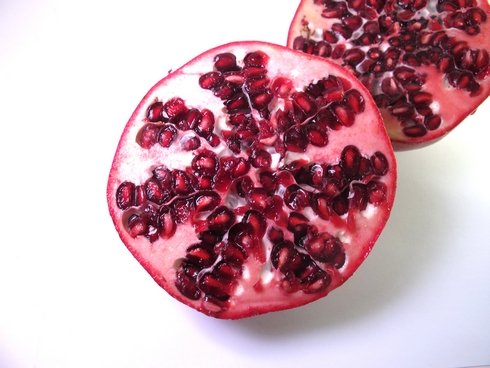
When was grenadine first used in cocktails? I thought this would be a simple question to answer, but not so much. Along the way to figuring this out, I've had to split up this one blog post into several.
First we'll look at the cocktail books from 1862 – 1930 and see where grenadine is called for in recipes. Then we'll try to draw some conclusions from that. And then we'll look into what the grenadine that bartenders were using really was: made from fresh pomegranate or artificially-flavored?
So let's get busy.
From Nowhere to Everywhere
In Jerry Thomas' How to Mix Drinks, the first bartenders' guide from 1862, he calls for raspberry and strawberry syrups throughout, plus shrubs made from cherries and white currants, but I don't see any pomegranate.
Fifty years later in Savoy Cocktail Book from 1930, I counted about 100 drinks that call for grenadine. Many of those say "raspberry syrup or grenadine" so it seems one had replaced the other. Let's see what happened in between.
A Review of Grenadine in Cocktail Books 1862 – 1930
In Harry Johnson's Bartender's Manual from 1882, his list of required syrups at the bar do not include grenadine but white gum, raspberry, pineapple, lemon, strawberry, orange, orchard, rock candy, and orgeat syrups.
 The Modern Bartenders' Guide by O.H. Byron from 1884 lists recipes for cordials and syrups, concentrated fruit syrups, and fruit brandies: none of them list pomegranate or grenadine.
In The Flowing Bowl (1891) by The "Only" William, I don't see any grenadine or pomegranate recipes, but several have raspberry syrup, including the Violet Fizz, the Knickerbocker, and the Pineapple Julep.
So far, the first grenadine recipe I see in a cocktail book comes from Cocktail Boothby's American Bar-Tender, from 1891. In the body of the text, it is only mentioned once, and not even in a cocktail, but in "Turkish Harem Sherbet." However, stay tuned for more information that comes from a later edition.
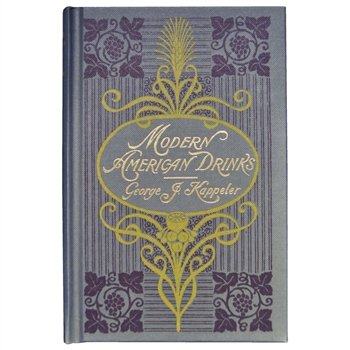 In Modern American Drinks by George Kappler (1895), The Bosom Caresser is made with raspberry syrup, egg, brandy, and milk. In later books, the ingredient changes.
This book shows grenadine beginning to creep into cocktails. Specifically:
- Grenadine Cocktail: "Use grenadine in place of gum-syrup in any kind of cocktail."
- Grenadine Lemonade: "Make a plain lemonade rather tart, and add a pony of grenadine before shaking. Trim with fruit, serve with straws."
- Pousse Cafe (French Style): Grenadine, maraschino, orange curacoa, green Chartresue, cognac. Note that there is also an American Style pousse cafe that includes everything but the grenadine, and a New Orleans Style pousse cafe that uses raspberry syrup instead of grenadine, plus you light this drink on fire.
- Schickler (brandy, grenadine, soda)
Meanwhile, in France, grenadine was all the rage in Louis Fouquet's Bariana from 1896. His recipes include:
- Bosom Caresser – grenadine, maraschino, cognac, sherry
- Corpse Reviver – This is a 13-layer Pousse Cafe, not the version we know today.
- Pick Me Up – lemon juice, grenadine, kirsch, champagne, orange slice
- Chicago -creme de noyaux (the signature ingredient of this book),grenadine, cognac, Amer Besset, seltzer water, lemon slice
- Mother's Milk – Curacao, noyaux, grenadine, egg yolk, cognac, milk, nutmeg (gross!)
- Ranson Cooler – Noyaux, curacao, grenadine, kirsch, bitter, and seltzer water, lemon slice (looks just like the Chicago)
I also don't see any grenadine in Mixicologist by C.F. Lawlor (1895).
Stuart's Fancy Drink and How to Mix Them (1902) also lists many recipes for syrups and liqueurs, but no grenadine.
A brief look through Recipes of American and Other Iced Drinks by Charlie Paul (1902) didn't reveal any grenadine either.
Back to Cocktail Bill Boothby's American Bar-Tender. In an addendum of the 1908 edition of the book are several typed pages with new cocktails (apparently collected from contact with other bartenders), and here we find some grenadine.
- Jack Rose Cocktail (credited to R.H. Towner of Wm. St. N.Y.) with grenadine, applejack, and lime juice
- Marguerite Cocktail ("conceived by the famous Otto as served in Henry's Hotel 11 Rue Volney, Paris, France and the La Salle Hotel, Chicago) with lime, grenadine, Plymouth gin, dash of absinthe, white of an egg
- Opalescent Cocktail (a la Bingham American Congress Bar, City of Mexico) with lemon, grenadine, mint leaf, egg white, Plymouth gin). You'll recognize that last drink as the better-known Clover Leaf or Clover Club.
After this point, grenadine really takes off.
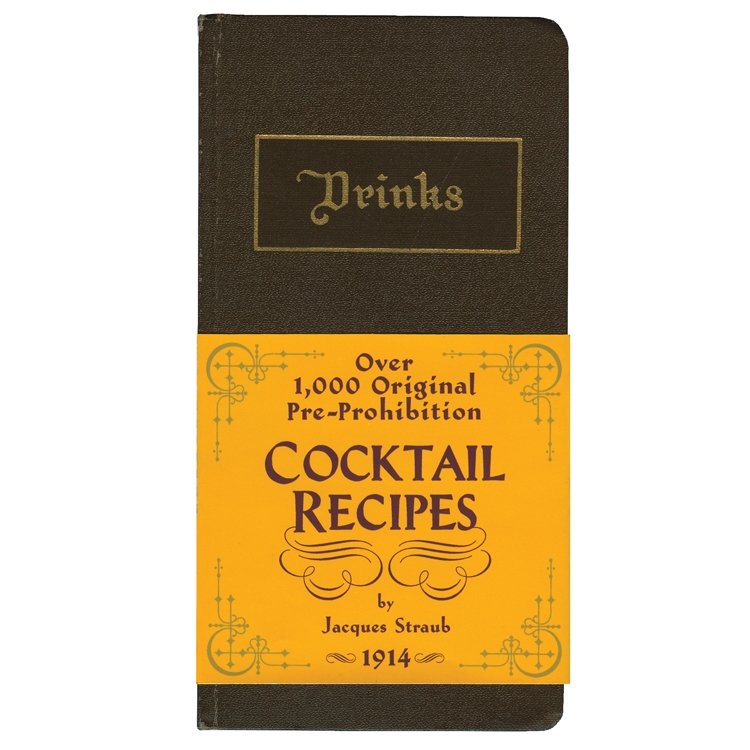 In Drinks by Jacques Straub (1914) we find a ton of grenadine drinks:
- Aviation Cocktail (applejack, lime, absinthe, grenadine)
- Bacardi Cocktail (grenadine, Bacardi, lime)
- Beauty Spot Cocktail (orange juice, sweet and dry vermouth, gin, grenadine)
- Booby Cocktail (gin, grenadine, lime)
- Chantecler Cocktail ("Bronx with 4 dashes of grenadine syrup. Shake.)
- C.O.D. Cocktail (grenadine, gin, slice of grapefruit)
- Isabelle Cocktail (grenadine, creme de cassis)
- Italian Cocktail (Italian vermouthg, grenadine, Fernet Branca)
- Jack Rose
- Japanese Cocktail (not the standard one – this contains grenadine, rye, Italian vermouth, and curacao)
- Marqueray Cocktail (lime, absinthe, grenadine, egg white, gin)
- Millionaire Cocktail (orange bitters, cuacao, rye, grenadine, egg white)
- Rose Cocktail (orange juice, grenadine, gin)
- Royal Smile Cocktail (lime, grenadine, dry vermouth, apple brandy, egg white)
- Ruby Cocktail (grenadine, apple jack, gin)
- Ruby Royal Cocktail (gin, dry vermouth, raspberry, frappe')
- Society Cocktail (dry gin, dry vermouth, grenadine)
- Sunshine Cocktail (lime, dry vermouth, Old Tom gin, grenadine, egg white)
- Country Club Cooler (grenadine, dry vermouth, soda)
- Sea Side Cooler (lime, grenadine, soda)
- Cider Cup (lots of fruit and grenadine)
- Grape Juice (same)
- Ginger Ale (same with ginger ale added)
- Star Daisy (lime, gin, applejack, grenadine)
- Amer Picon Pouffle Fizz (Amer Picon, grenadine, egg white)
- Elsie Ferguson Fizz (lemon, strawberries, gin, grenadine, cream, soda)
- Grenadine Gin Fizz (grenadine, Old Tom gin,lemon, soda)
- King Cole Fizz ("gin fizz with grenadine syrup")
- Bemus Fizz (lemon, grenadine, lime, sugar, gin, cream, soda)
- Ruebli Fizz (lemon, orange, grenadine, Rhine wine, soda)
- Whiskey Grenadine Fizz (lemon, grenadine, rye or bourbon)
- Amer Picon High Ball (Amer Picon, grenadine, soda)
- Irish Rose High Ball (Irish whiskey, grenadine, soda)
- Queen's High Ball (Amer Picon, grenadine, soda)
- French Flag (grenadine, maraschino, creme Yvette)
- Polly ("Gin Fizz made with grenadine syrup instead of using sugar.")
- Pousse Cafe No. 2 (grenadine, anisette, creme Yvette, Green Chartreuse, cognac)
- Millionaire Punch (lime, sugar, whiskey, grenadine, creme de menthe)
- Amer Picon Sour (Amer Picon, lemon, lime, sugar, grenadine)
- Canadian Whisky Sour (lemon, lime, sugar, Canadian whiskey, grenadine)
- Grenadine Sour (lemon, grenadine, dry gin)
- Grenadine Gin Sour (same with whiskey)
- Millionaire Sour (lime, lemon, grenadine, rye, curacao)
The book lists raspberry syrup in other drinks separately. The Knickerbocker lists the drink with raspberry syrup.
In Hugo R. Ensslin's Recipes for Mixed Drinks (1916-1917) we also have a ton of grenadine drinks. Clearly grenadine was well-established at this point. Drinks that include grenadine in the book are: Beauty Spot, Clover Leaf Cocktail, Daiguiri [sic] Cocktail, Hugo Bracer, "Have a Heart" Cocktail, Jack Rose Cocktail, Littlest Rebel Cocktail, Millionaire Cocktail I, New York Cocktail, Oppenheim Cocktail, President Cocktail, Pollyanna Cocktail, Pinky Cocktail, Royal Smile Cocktail, Santiago Cocktail (same as the 'Daiguiri"), September Morn, Saxon Cocktail, Twin Six Cocktail, Wallick's Special, Apricot Cooler, Lone Tree Cooler, Picon Highball, California Lemonade, American Rum Punch, Bacardi Rum Punch, Pineapple Punch, Hugo Rickey, Applejack Sour, Fireman's Sour, Knickerbein, Pousse Cafe, Wild Eye Rose.
Some interesting things about this book:
- The Bacardi Cocktail doesn't mention grenadine, and yet the "Daiguiri" does.
- The Knickerbein isn't made with grenadine in many recipes but here it is.
- The Daisies are all made with grenadine, not raspberry syrup. This seems a big switch from previous books.
In Cocktails: How To Mix Them by Robert Vermeire (1922), which was published in London, we see grenadine drinks such as the Chinese Cocktail, Club Cocktail, Daiquiri (the same Bacardi Cocktail-Daiquiri reversal is present here), Dempsey Cocktail, Depth Bomb, Gloom Raiser, Luigi Cocktail, Millionaire, Monkey Gland, R.A.C. Cocktail, Monkey Gland Cocktail, "75" Cocktail, Tipperary, Trocadero, Ward Eight Cocktail, and Whiz-Bang. That's just the cocktails- there are also coolers, juleps, sangarees, etc.
- In the Clover Club Cocktail recipe, raspberry syrup is listed in the ingredients, but in the description it says, "Grenadine is often substituted for raspberry syrup."
- The Jack Rose Cocktail lists "A little raspberry syrup or grenadine" in the ingredients.
In Barflies and Cocktails by Harry and Wynn (published in Paris in 1927), we again see lots of grenadine in the recipes. Below are some notes.
- The Bacardi Cocktail has grenadine and so does the "Dacqueri"
- The Clover Club Cocktail is again listed with raspberry but a note says "In London for some time it has been the custom to serve Grenadine instead of Raspberry."
- The Clover Leaf Cocktail (a Clover Club with a mint leaf on top), however, specifies grenadine.
- The Daisies use grenadine.
- Under "Various Continental Beverages" (the continent would be Europe), we see some interesting combinations such as Kirsch and Grenadine and Picon Grenadine, both of which are the two mixed with soda.
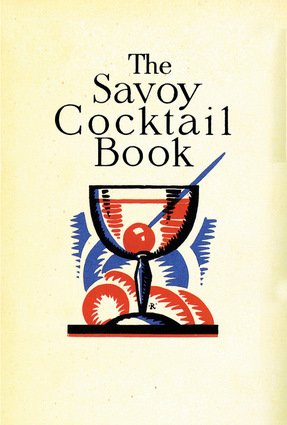 And that brings us to the Savoy Cocktail Book from London in 1930. Some notes:
- The Bacardi Cocktail Special is made with grenadine, Beefeater Gin, Bacardi Rum, and lime juice.
- The Clover Club is made with grenadine, and the Clover Leaf is listed as "The same as Clover Club with a sprig of fresh mint on top."
- There are a few Daisy cocktails, but only the Gin Daisy is sweetened with grenadine. Other daisies call for different liqueurs.
- The Jack Rose is made with grenadine and "applejack or calvados" (as I'm sure the latter would be easier to come by in London).
- The Bosom Caresser is made with grenadine
- The Monkey Gland is made with grenadine
In the next post in this series, we'll look at some conclusions from this literature review.
 For the month of December I'll be looking at the pomegranate and its use in cocktails, including in grenadine and in PAMA pomegranate liqueur, the sponsor of the project. Check out the information developed just for bartenders at PamaPros.com.