Blog

  • Baijiu Production in Relation to Other Spirits

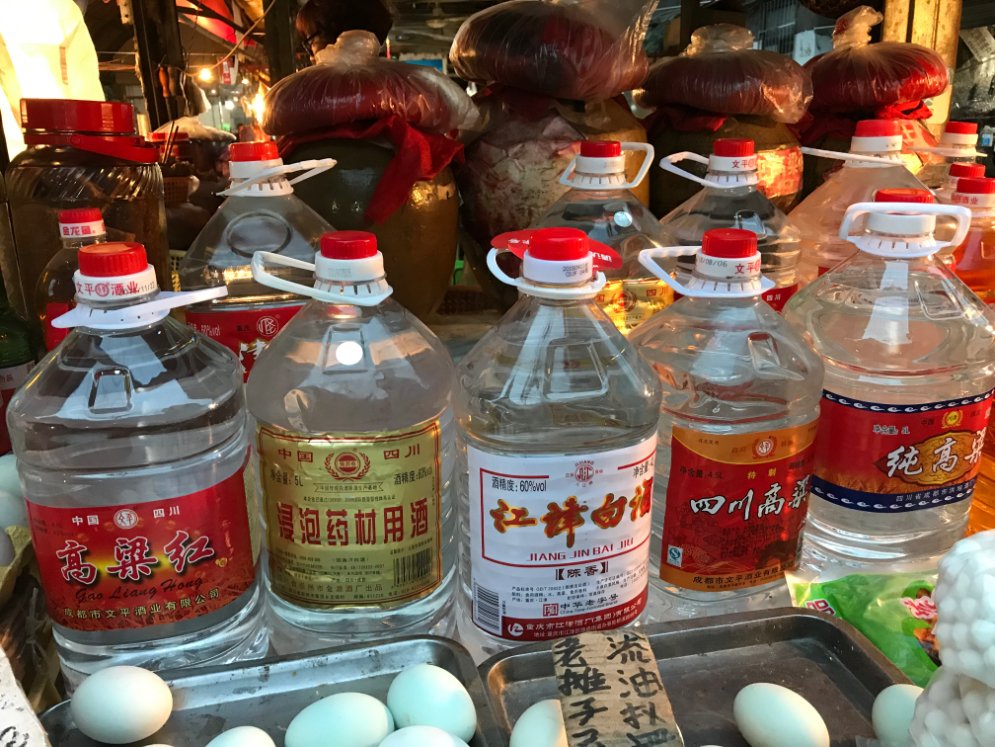
    IMG_3137I spent last week in China learning about baijiu, the world's top-selling spirit, with the brand Ming River Baijiu produced at the Luzhou Laojiao in Luzhou. 

    Americans and other non-Chinese drinkers tend to view baijiu as a completely foreign spirit, indescribable in relation to other spirits except to say that it's strong and stinky. Well I'm here to tell you that though it is quite different, there are plenty of parallels to other spirits. 

    Baijiu Is: 

    Made from fermented and distilled grains, like whiskey. [in baijiu the top grains are sorghum and rice, though corn, barley, wheat, and other grains are used]

    Saccharified (complex carbohydrates of the grain broken down into simpler, fermentable sugars) with mold, like sake. [in baijiu the mold is mixed up with yeast and bacteria in bricks called qu so that saccharification and fermentation take place at the same time]

    Fermented as a solid mass rather than a liquid, like grappa. [in strong aroma baijiu, steamed grains are buried in a pit with qu for several months to ferment]

    Fermented with some of the remainders of the previous distillation (stillage), like sour mash whiskey or Jamaican rum that uses muck pits. This was tremendously exciting to learn. [in baijiu rather than stillage added to just the next batch of fermentation, most of the previous batch is refermented and redistilled with a small portion of new grains]

    Usually distilled in pot stills, like many spirits. [some rice aroma baijius are apparently distilled in continuous stills]

    Aged in ceramic vessels, like traditional pisco and some wines. [the vessels are non-reactive but breathable, so they allow for oxidation but probably do not impart any of their own flavor to the spirit like wood barrels do]

    Blended between batches of different distillations and ages after aging to create the specific brand, like most spirits that are barrel-aged. [in baijiu, a single fermentation pit is divided into different small distillations and these are aged separately]

    See, totally relatable. 

    I'll have a lot more baijiu content going forward, but this is a start. 


  • All the Cocktail and Spirits Books Released in 2018, In Consideration for Gifting or Reading

    It's the annual Alcademics drink book round-up! These are all the cocktails and spirits books that I know about published in 2018, with a couple of wine and beer books thrown in for good measure. It's over 60 books in total. Read them yourself or give 'em as gifts. 

    This year there appear to be less overall history books, and more women-centric books, whether history or not. Cocktail recipe books are all quite specific, with several that focus on theory and technique; and these overlap with books designed with the professional bartender in mind.

    Get to reading.  


    Cocktail/Recipe Books
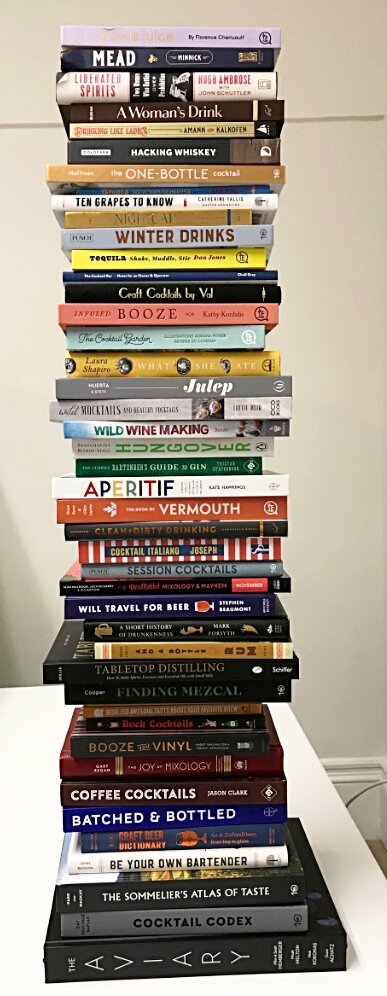
    IMG-2556Julep: Southern Cocktails Refashioned by Alba Huerta and Marah Stets 

    The One-Bottle Cocktail: More than 80 Recipes with Fresh Ingredients and a Single Spirit by Maggie Hoffman

    Tequila Beyond Sunrise: Over 40 tequila and mezcal-based cocktails from around the world by Jesse Estes

    Finding Mezcal: A Journey into the Liquid Soul of Mexico, with 40 Cocktails by Ron Cooper and Chantal Martineau

    Wild Mocktails and Healthy Cocktails: Home-grown and foraged low-sugar recipes from the Midnight Apothecary by Lottie Muir

    Infused Booze: Over 60 Batched Spririts and Liqueurs to Make at Home by Kathy Kordalis

    Session Cocktails: Low-Alcohol Drinks for Any Occasion by Drew Lazor and Editors of PUNCH

    The Cocktail Garden: Botanical Cocktails for Every Season by Ed Loveday and Adriana Picker

    Booze & Vinyl: A Spirited Guide to Great Music and Mixed Drinks by André Darlington and Tenaya Darlington

    Doctor's Orders: Over 50 inventive cocktails to cure, revive & enliven by Chris Edwards and Dave Tregenza

    Cocktail Italiano: The Definitive Guide to Aperitivo: Drinks, Nibbles, and Tales of the Italian Riviera by Annette Joseph

    Clean + Dirty Drinking: 100+ Recipes for Making Delicious Elixirs, With or Without Booze by Gabriella Mlynarczyk

    Are You There God? It's Me, Margarita: More Cocktails with a Literary Twist (A Tequila Mockingbird Book)  by Tim Federle 

    The Art & Craft of Coffee Cocktails: Over 80 recipes for mixing coffee and liquor by Jason Clark

    Aperitif: A Spirited Guide to the Drinks, History and Culture of the Aperitif by Kate Hawkings

    The Joy of Mixology, Revised and Updated Edition: The Consummate Guide to the Bartender's Craft by Gary Regan

    The Dead Rabbit Mixology & Mayhem: The Story of John Morrissey and the World’s Best Cocktail Menu by Sean Muldoon and Jack McGarry

    Nightcap: More than 40 Cocktails to Close Out Any Evening by Kara Newman

    Be Your Own Bartender: A Surefire Guide to Finding (and Making) Your Perfect Cocktail by Carey Jones and John McCarthy

    Cocktail Codex: Fundamentals, Formulas, Evolutions by Alex Day and Nick Fauchald

    Winter Drinks: 70 Essential Cold-Weather Cocktails by Editors of PUNCH

    Tequila: Shake, Muddle, Stir: Over 40 of the Best Cocktails for Tequila and Mezcal Lovers by Dan Jones

    Pickle Juice: A Revolutionary Approach to Making Better Tasting Cocktails and Drinks by Florence Cherruault

    The Mini Bar: 100 Essential Cocktail Recipes; 8 Notebook Set by Editors of PUNCH

    The Curious Bartender Volume II: The New Testament of Cocktails by Tristan Stephenson 

    Glamorous Cocktails: Fashionable mixes from iconic London bars  by William Yeoward 

    Prosecco Made Me Do It: 60 Seriously Sparkling Cocktails by Amy Zavatto 

    Rock Cocktails: 50 rock 'n' roll drinks recipes―from Gin Lizzy to Guns 'n' Rosés

    Northern Hospitality with The Portland Hunt + Alpine Club: A Celebration of Cocktails, Cooking, and Coming Together by Andrew Volk and Briana Volk

    The Aviary Cocktail Book by Grant Achatz, Micah Melton, Nick Kokonas, Allen and Sarah Hemberger.

    The Cocktail Companion: A Guide to Cocktail History, Culture, Trivia and Favorite Drinks by Cheryl Charming

    Drink London (London Guides)  by Euan Ferguson

    Beachbum Berry's Sippin' Safari: Tenth Anniversary Expanded Edition by Jeff Beachbum Berry


    Wine Books 

    Wild Winemaking: Easy & Adventurous Recipes Going Beyond Grapes, Including Apple Champagne, Ginger–Green Tea Sake, Key Lime–Cayenne Wine, and 142 More by Richard W. Bender

    Ten Grapes to Know: The Ten and Done Wine Guide by Catherine Fallis

    Wine Food: New Adventures in Drinking and Cooking by Dana Frank and Andrea Slonecker

    The Sommelier's Atlas of Taste: A Field Guide to the Great Wines of Europe by Rajat Parr and Jordan Mackay 

    Prosecco Made Me Do It: 60 Seriously Sparkling Cocktails by Amy Zavatto


    Spirit Books, Misc.

    The Connoisseur’s Guide to Worldwide Spirits: Selecting and Savoring Whiskey, Vodka, Scotch, Rum, Tequila . . . and Everything Else (An Expert’s Guide … and Savoring Every Spirit in the World) by Richard Carleton Hacker

     Tabletop Distilling: How to Make Spirits, Essences, and Essential Oils with Small Stills by Kai Möller

    The Gin Dictionary by David T. Smith

    The Book of Vermouth: A Bartender and a Winemaker Celebrate the World's Greatest Aperitif by Shaun Byrne and Gilles Lapalus

    The Curious Bartender's Guide to Gin: How to appreciate gin from still to serve by Tristan Stephenson 


    Women-Centric Drink Books

    IMG-2558Craft Cocktails by Val: Drinks Inspired by Hillary Rodham Clinton

    Drinking Like Ladies: 75 modern cocktails from the world's leading female bartenders; Includes toasts to extraordinary women in history by Misty Kalkofen and Kirsten Amann

    Liberated Spirits: Two Women Who Battled Over Prohibition by Hugh Ambrose and John Schuttler

    A Woman's Drink: Bold Recipes for Bold Women by Natalka Burian 

    Movers and Shakers: Women Making Waves in Spirits, Beer & Wine by Hope Ewing

    Free the Tipple: Kickass Cocktails Inspired by Iconic Women 
    by Jennifer Croll (Author), Kelly Shami (Illustrator)


     History Books

    A Short History of Drunkenness: How, Why, Where, and When Humankind Has Gotten Merry from the Stone Age to the Present by Mark Forsyth 

    A Thousand Thirsty Beaches: Smuggling Alcohol from Cuba to the South during Prohibition by Lisa Lindquist Dorr

    Moonshine: A Celebration of America's Original Rebel Spirit by John Schlimm

    A Drinkable Feast: A Cocktail Companion to 1920s Paris  by Philip Greene 


    Beer, Mead, Cider

    Mead: The Libations, Legends, and Lore of History's Oldest Drink by Fred Minnick 

    Will Travel for Beer: 101 Remarkable Journeys Every Beer Lover Should Experience by Stephen Beaumont 

    Beer: 150 Awesome Facts About Your Favorite Brew by Caroline West

    Ciderology: From History and Heritage to the Craft Cider Revolution by Gabe Cook

    The Craft Beer Dictionary: An A-Z of craft beer, from hop to glass by Richard Croasdale

    Kitchen Brewing: A New, Easier and Quicker Way to Home Brew by Jakob Nielsen and Mikael Zetterberg


    Bar, Drinking Culture, and Professional Books 
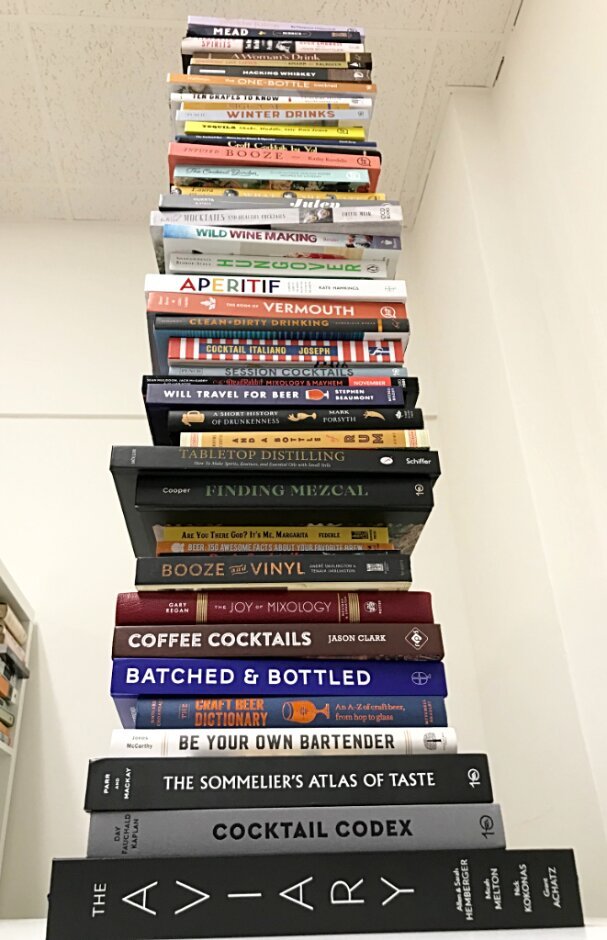
    IMG-2560Bars, Taverns, and Dives New Yorkers Love: Where to Go, What to Drink by John Tebeau

    Drinking Distilled: A User's Manual by Jeffrey Morgenthaler

    I'm Just Here for the Drinks: A Guide to Spirits, Drinking and More Than 100 Extraordinary Cocktails by Sother Teague

    Hungover: The Morning After and One Man's Quest for the Cure by Shaughnessy Bishop-Stall

    Allergen Awareness: A Chef's Perspective by Myron Keith Norman

    Batched & Bottled by Max Venning 

    The Cocktail Bar: Notes for an Owner & Operator by Chall Gray


    Whiskey Books

    From Dram to Manhattan: Around the world in 40 whisky cocktails from Scotch to Bourbon by Jesse Estes

    Hacking Whiskey: Smoking, Blending, Fat Washing, and Other Whiskey Experiments by Aaron Goldfarb 

    The Bourbon Bible by Eric Zandona 

    Whiskey America  by Dominic Roskrow 

    Single Malt: A Guide to the Whiskies of Scotland: Includes Profiles, Ratings, and Tasting Notes for More Than 330 Expressions by Clay Risen

    World's Best Whiskies:750 Unmissable Drams from Tain to Tokyo by Dominic Roskrow  

    Bourbon Justice: How Whiskey Law Shaped America by Brian F. Haara 


    Not enough books for you? Check out:

    All the drink books that came out in 2017

    All the Cocktails and Spirits Books Published in 2016 for Reading or Gifting

    All the Cocktails & Spirits Books Published in 2015, For Reading or Gifting

    More Than 40 Drink Books Published in 2014 for Reading or Gifting
     

  • What to Try When Directional Freezing Doesn’t Produce Clear Ice

    If you're trying directional freezing and still not getting clear ice, here are a few considerations. 

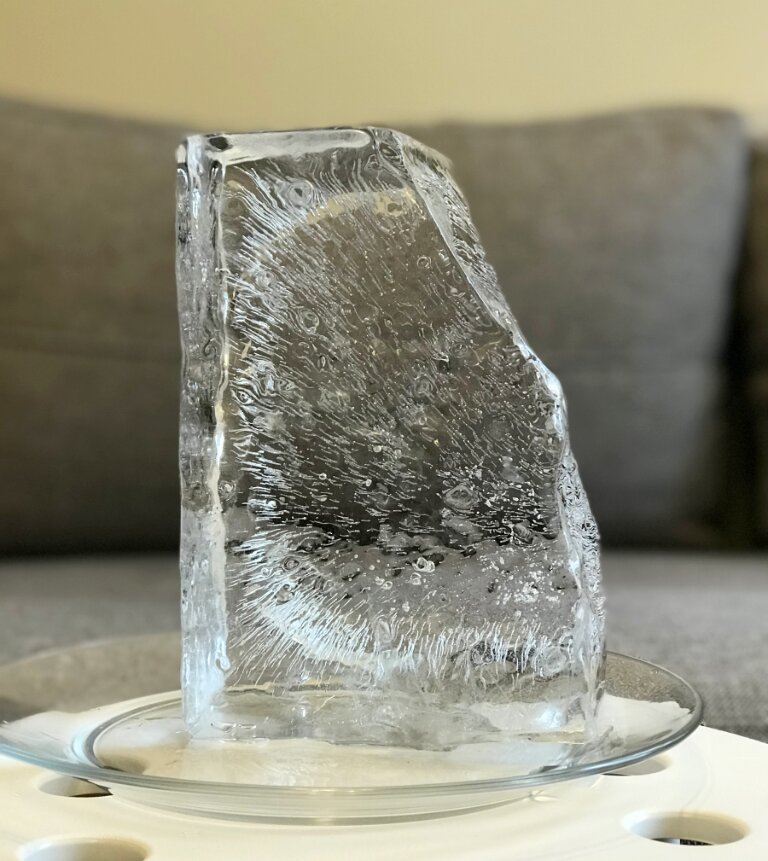
    IMG_2546


    Know What's Reasonable.

    Directional Freezing doesn't get rid of any cloudiness in ice, it just moves it toward one end of your cube/block. You will always have about 15-30 percent cloudy ice as the last part of the ice freezes (if you allow it to freeze all the way). 

    Motion or Vibration

    While your ice is freezing are you moving the container around? Does your freezer shake and vibrate? Are you opening and slamming the door shut a lot? Any sort of motion tends to knock air bubbles together, and they float up and stick to the bottom of ice as it's freezing downwards, often leading to little bubble trails and starburst-shaped groups of bubbles. The more vibration, the more bubbles/cloudy bits form.

    Super Cold Freezers.

    A friend of mine couldn't get his ice balls all the way clear using the thermos method. After much back and forth, we realized that he has a super fancy freezer set to super duper cold. The ice ball froze so quickly from all sides that it didn't have a chance to push the cloudy parts out the bottom of the ice ball mold into the thermos. 

    In general, the warmer your freezer (but still below freezing, obviously), the clearer the ice – but you still want to be food safe (below 0 Fahrenheit or -18 Celsius). As far as I know, the Igloo cooler method should still work in a very cold freezer, but some thinner vessels will freeze from the outside-in rather than in one direction. 

    Some Tips to Improve Clarity

    If your ice is pretty clear but you've become obsessed with making it ridiculously clear and minimizing the cloudy part at the end of the block (it happens), a few things you can try are:

    • Unscrew the aerator off your sink faucet (and put it back on after; it saves water waste). 
    • Run it through a water filter. Even though direction freezing acts as a filter, pushing minerals and other impurities into the last part of the ice to freeze, you can reduce the mineral/impurity content by using water from the pitcher. 
    • The reason I run my water through a filter is to remove chlorine/chloramine tastes in the water. I don't care about the minute improvement, if any, in clarity, but I find that if I use unfiltered water when I pop the block out of the cooler there's a big release of chlorine smell. Blech. 
    • Boil the water. In my opinion, this isn't worth the effort or energy waste, but it can improve clarity ever so slightly. Boiling water should reduce trapped air.

    These tips shouldn't make radical, but small, improvements in your ice's clarity. 


    To read all the ice posts here on Alcademics, check out the Index of Ice Experiments.  


  • Ice Advice: Will My Clear Ice Turn Cloudy When Stored in the Freezer?

    One question I've seen asked here on Alcademics and on other websites is whether clear ice will turn cloudy when stored. The answer is no, it will not.

    Ice is cloudy because of trapped air and impurities like minerals, along with any cracks that make it hard to see through. Once it's made, it pretty much stays as it is. It may absorb smells and sublimate/shrink if not kept in a closed container in the freezer, but that won't impact clarity.

    If your ice starts out clear (from a machine or by using a form of directional freezing) it will remain so. 

    If you have a partially frozen ice cube that looks incredibly clear however, it will likely become cloudy when the center finally freezes. This is because the last part of ice to freeze is usually where trapped air and impurities are pushed. 

    Clear Ice Block from Alcademics.com


    To read all the ice posts here on Alcademics, check out the Index of Ice Experiments.  


  • Ice Advice: The Right Way to Store Ice in the Freezer

    Ice in the freezer can absorb smells from both the freezer and the refrigerator, to the surprise of many people. Ice can also sublimate (evaporate) and shrink fairly quickly. So you can either place your ice in a sealed bag/container, and/or do the same with your food.

    In my fridge/freezer situation, I don't leave any food unwrapped so that the ice never absorbs food smells. I used to stick leftover pizza in the box in the fridge and by the next morning my ice would taste ever so slightly of it, so now I put the pizza in a Tupperware-type container. There doesn't seem to be any problem with uncooked vegetables stored in there (not smelly onions or garlic or anything), but cooked food is problematic. 

    For ice that you're going to be storing, I recommend either Ziplock style sealed bags or Tupperware-style containers. Those keep it sealed from sublimating and from absorbing smells. Easy. 

    If you want to see just how permeable ice is, add a drop of food coloring on top of a big block and watch how it flows into the cube along invisible cracks. 


    Ziplock

    image from Ziplock.com


    To read all the ice posts here on Alcademics, check out the Index of Ice Experiments 


  • Audience Feedback on Camper’s Tales of the Cocktail Seminar

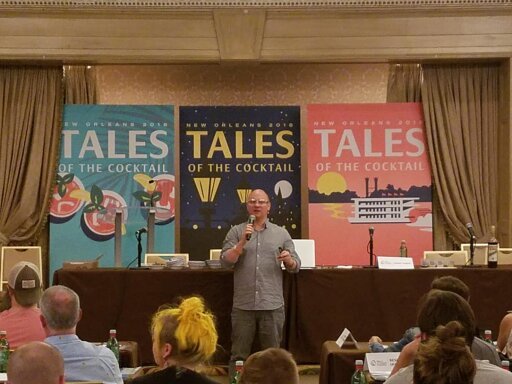
    Tales seminarA few months after this year's Tales of the Cocktail, I received the feedback from my seminar Bitter Flavors, Taste the Rainbow. I did pretty good! 

    On the four categories: overall seminar, presenter quality, handouts quality, and amount learned, I received a rating of 9 out of 10 on all.  

    Positive comments that came in from attendees: 

    • Camper and his presentation were very interesting – he is clearly a subject matter expert. Made me want to explore this theme more! One of the highlights of tales for me!
    • So amazing! We were so impressed not only with the style of the presentation but the content. The format. Everything. Amazing.
    • This seminar could not have been better unless it was 3 hours long. Camper’s personality & teaching style is an honor to be around. More bitters & more Camper!!
    • Very interesting tasting seminar. Super bar-nerdy which is a good thing. Very informative about the safety and taste of the ingredients in bitters.
    • My favourite seminar!
    • I’ve watched 2 or 3 of his other seminars. Funny, engaging. He did a lot of pre-work and clearrrrrly knows the in and out. Some of these presenters have 10+ years of only doing one thing, it seems he has actually done so much. Excited to see his presentation next year(s)!
    • Awesome job covering a difficult and complex subject.


    Of the negative feedback, most was that I covered too much material (always better than too little, my greatest fear is that people will complain they didn't learn anything), or that the pace was too fast/topic was too advanced for some people (same). One person was mad about the font size of my handout. Two people said some of the slides were hard to read, so that's something I'll work on for next year. 

    Feedback is always tough but luckily I had a ton of very positive responses to compensate for the negative ones. Go me. 


  • Historical Info About Scurvy and the Confusion Between Lemons and Limes

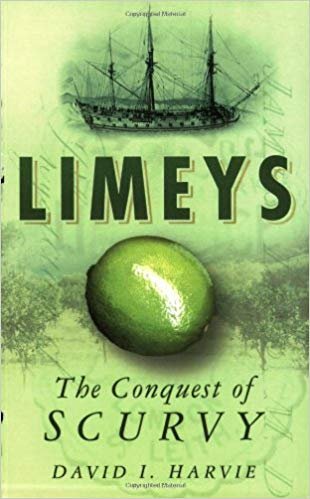
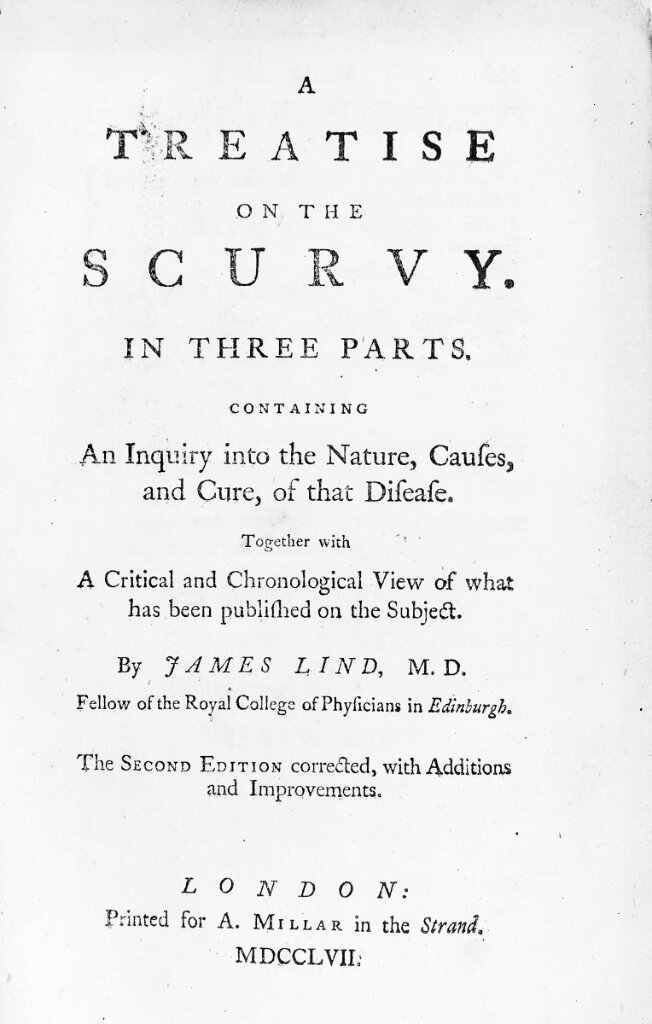
    Limeys BookI recently (yesterday) finished reading the 2002 book Limeys: The Conquest of Scurvy by David I Harvie. The book isn't really about the global history of scurvy but focuses on one surgeon, the scot James Lind, who was the first person to really prove the efficacy of citrus juice as a treatment in 1747. However, his suggestions of provisioning British Royal Navy fleet with juice weren't officially implemented for another 50 years. 

    But I'm here to talk about lemons and limes. You know how today we have a standard definition of the fruit and the differences between them, but those definitions have changed over the years? How we use Persian limes today but Key limes were used in cocktails in the past, and how in some old cocktail books the differences between lemons and limes isn't always clear? 

    Turns out that's not a new problem. When citrus was first being recommended as a cure (and later as a preventative) for scurvy, doctors like Lind most often recommended the juice or oranges and lemons. Oranges never took off, and the juice of lemons was often called lime juice. 

    Actual lime juice from limes started becoming the more popular option after 1800, thanks in part to the relative ease of sourcing West Indian limes. British sailors were first being referred to as "lime-juicers" and it was Americans who shortened the expression to "limeys," according to the book. 

    Sailors often associated scurvy cures with acidity, which makes good sense and is not far from the truth. Other cures brought aboard ships included acidic food and beverages including vinegar and sauerkraut. It wasn't until 1918 that it was proven that citric acid itself is useless against scurvy (and I assume vinegar's acetic acid too), and shortly thereafter that the newly-identified Vitamin C was the anti-scorubic needed. 

    James Lind ScurvySo here's the thing: 

    Orange have more Vitamin C than lemons, which have about 40% more Vitamin C than limes. (Though the acidity of these citrus fruits is in the opposite order.) If that lime juice was stored in a barrel or came into contact with copper or cooked to reduce it (which was usually the case until the invention of Rose's Lime Juice Cordial), the Vitamin C would degrade even further, becoming nearly useless against scurvy.  

    The initial confusion over the definition of limes, and the later decision to switch from lemons to limes, proved fairly disastrous to the British. Incidents of scurvy in the Navy crept up again and new false medial theories with other problematic solutions came back into vogue. 


  • Spiders and Insect Ice Balls for Halloween

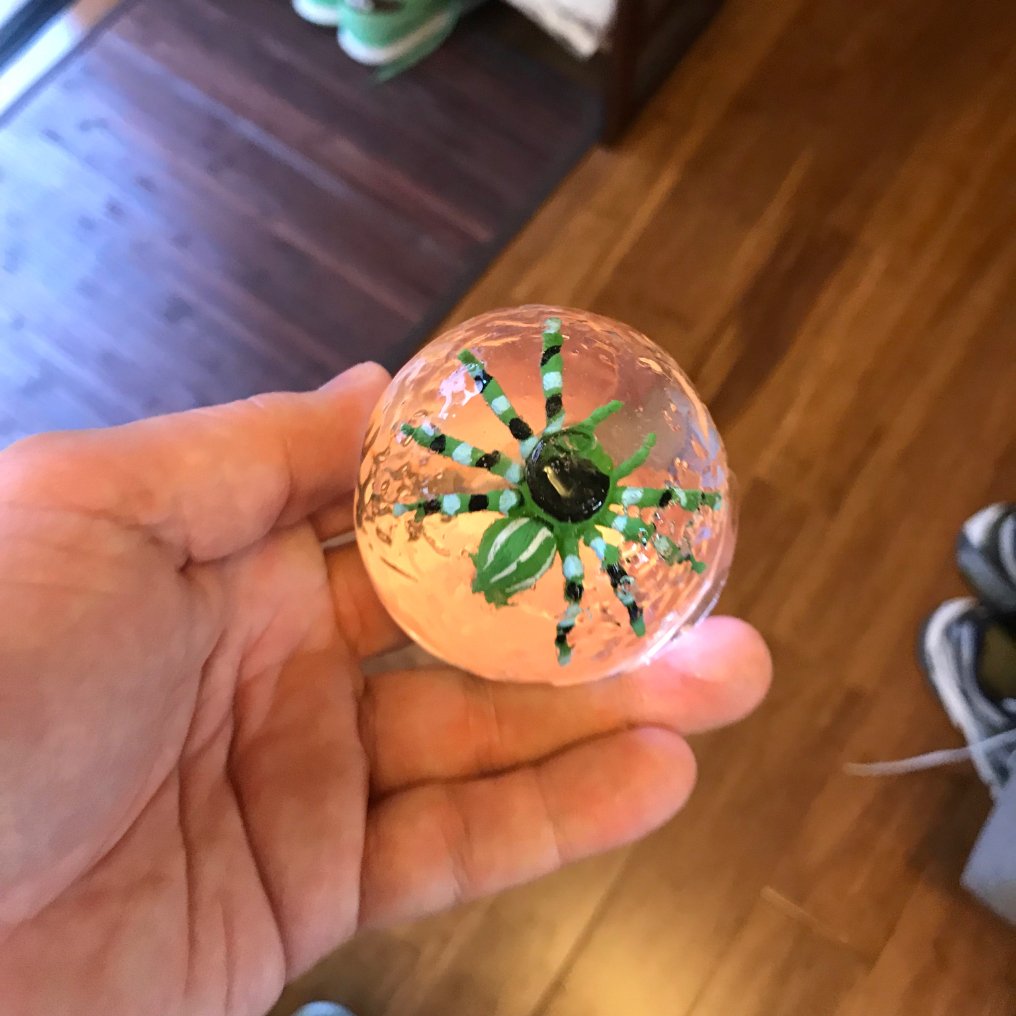
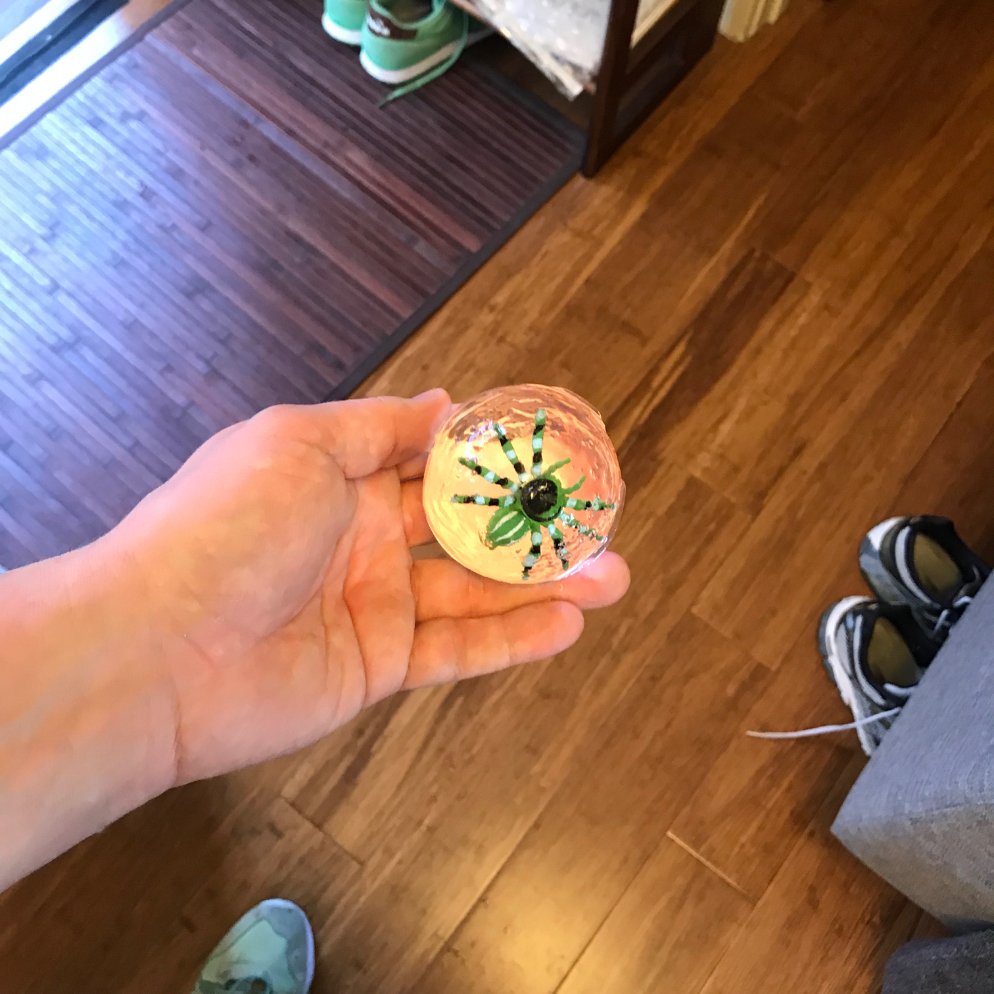
    I'm a sucker for an ice gimmick, so with Halloween approaching I made some clear ice balls with insects from the dollar store frozen inside. 

    As usual, I used the method revealed here on Alcademics, using a Thermos Funtainer and 2.5 inch ice ball molds upside-down. Read about how to do that here

    The plastic insects I bought from the dollar store, made in China, so they're most definitely not approved for food use. I'll serve them to myself but don't recommend non-food-safe products at a bar. (Given that I'm freezing rather than heating them, a thorough wash is good enough for me at home.)

    So, here they are:

    IMG_2402

    IMG_2308

    A fly in a clear ice ball.

    IMG_2369

    IMG_2350
    IMG_2350
    IMG_2350

  • Genepy Liqueur Versus Artemisia Genepi

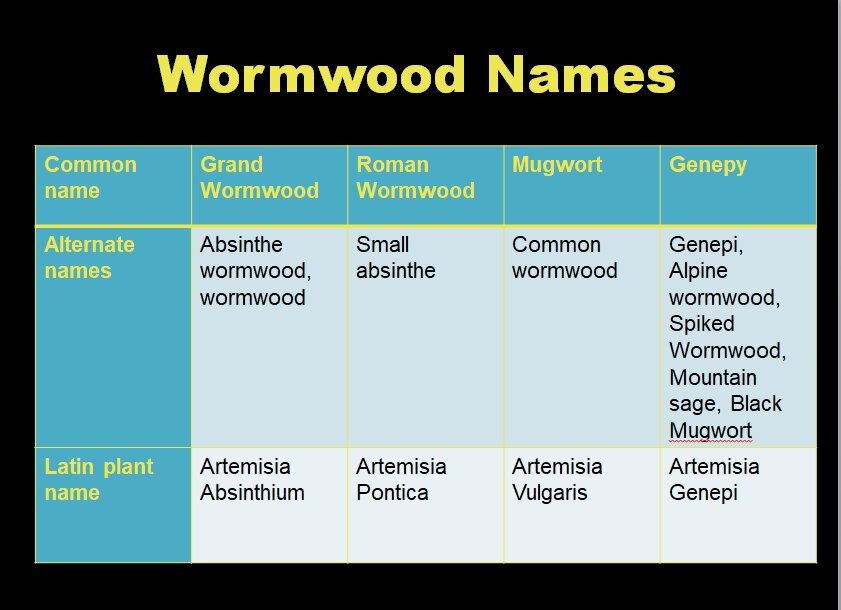
    WormwoodsWhen I was studying the various types of wormwood used in spirits earlier this year, I got a bit confused about Genepy/Genepi. All wormwood is a member of the artemisia genus. 

    • Artemisia Absinthium = Grand Wormwood; used in absinthe
    • Artemisia Pontica = Roman Wormwood; small absinthe; often used in vermouths
    • Artemisia Vulgaris = Common Wormwood; mugwort; used in Herbsaint, vermouth, and other products
    • Artemisia Genepi = Genepi, used in Genepy liqueurs

    After laying that out, I came to learn that there is a difference between artemisia genepi and genepy liqueurs, thanks in large part to Stephen Gould of Golden Moon Distillery. He makes a genepi called Ex Gratia

    According to Gould and supporting evidence from elsewhere on the internet, Genepy liqueurs can be made from not just artemisia genepi, but basically any artemisia that's not grand wormwood; often several of them mixed together. Gould clarified a working definition of genepy liqueur for me in email:

    Any liquor/liqueur made with any member of the artemisia family, except artemisia ab. (Grand wormwood) would be considered a Genepi … the exception being Amaros where the various types of wormwoods are a supporting flavor.

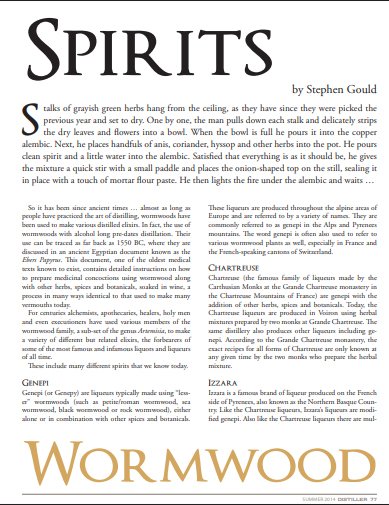
    SpiritsGould also wrote a profile of artemisia species for a 2014 edition of Distiller magazine. It no longer appears to be online (I think they're working on getting the archives up in a readable format so maybe it will return in the future), but he wrote:

    Genepi
    Genepi (or Genepy) are liqueurs typically made using “lesser”
    wormwoods (such as petite/roman wormwood, sea
    wormwood, black wormwood or rock wormwood), either
    alone or in combination with other spices and botanicals.
    These liqueurs are produced throughout the alpine areas of
    Europe and are referred to by a variety of names. They are
    commonly referred to as genepi in the Alps and Pyrenees
    mountains. The word genepi is often also used to refer to
    various wormwood plants as well, especially in France and
    the French-speaking cantons of Switzerland.


    Some of the "lesser" wormwoods include Sea Wormwood – Artemesia Meritima; Rock Wormwood – Artemesia Rupestris; Yellow Genepi –
    Artemisia Umbelliformis; plus the Artemesia Genepi itself.

    Gould also included a recipe for a Genepi from a handwritten distiller's note circa 1800 [excerpt]: 

    Genepi des Alps
    Take of the common and sea wormwood, dried, of each ten
    pounds; of sage, mint, and balm, dried, of each twenty handfuls;
    of the roots of galangal, ginger, calamus aromaticusm and
    elecampane, of the seeds of sweet fennel and coriander, of each
    three ounces; of cinnamon, cloves, and nutmegs, the lesser cardamoms
    and cubebs, of each two ounces. 


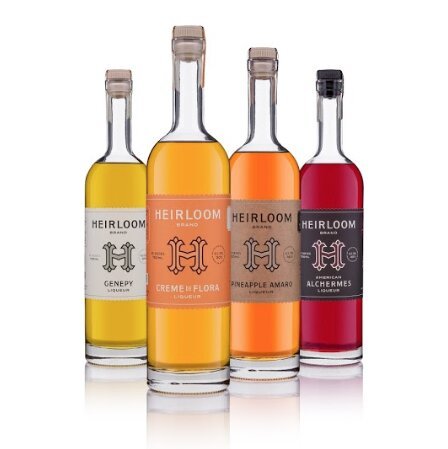
    ImageThe reason that this came up is there is a second American-made genepy coming out. As I posted in New Booze yesterday, the Bittercube folks are releasing a genepy liqueur to the Midwest US this year with a larger launch in 2019. They describe the new product as:

    Heirloom Genepy was developed in the Bittercube apothecary and gathers inspiration from a variety of Artemitis plants, while bridging the gap between robust varieties and more subtle variations. With respect for the category, this modern Genepy was formulated with bright alpine botanicals, and mellowed with honey. 


    Long story short: artemesia genepi may or may not be in genepy liqueurs, which are flavored with non-absinthium artemisia species. It would be fun to compare various genepy liqueurs to see how they're interpreted by these different distillers. 


  • What is Alchermes Liqueur?

    ImageAs I covered on this New Booze blog post, the folks at Bittercube bitters have launched a new line of liqueurs, and one of them is an alchermes. So you may be asking yourself, what the heck is alchermes? 

    Alchermes is an ancient red-colored liqueur with its color derived from kermes insects. The insects are scale insects that eat oak trees. Modern alchermes liqueurs no longer use the kermes insects but the red liqueur is still used to make zuppa inglese and other desserts. 

    I wrote about alchermes for a story I wrote on cochineal (which replaced kermes as the preferred red coloring) for SevenFifty Daily:

    Cochineal is a product of the Americas, but a different set of insects was used to dye fabric as well as one notable drink long before Columbus. Kermes is a coloring that was made from the crushed scale insect Kermes vermilio (and a couple of related bugs), which feeds on the sap of Mediterranean oak trees. The dye was used to color silk, and that silk was infused into a liqueur called alkermes (or alchermes), along with apple juice, rose water, ambergris, gold flakes, crushed pearls, aloe, and other ingredients. This liqueur recipe dates back to at least 800 A.D. when liqueurs and medicine were one and the same.

    Today, versions of alkermes liqueur are still produced, specifically to make the traditional Italian red dessert zuppa inglese. These liqueurs are no longer colored with kermes bugs: Some makers use cochineal; others use artificial coloring. It’s doubtful that any still include crushed pearls and gold flakes. And few, if any, are imported into the U.S.

    So there you have it. I'm not sure if there are any other US-made alchermes liqueurs on the market. As mentioned in the New Booze post, the new Heirloom liqueurs line launches outside of the midwest in 2019. 


agave alcademics Angostura bartenders bitters bodega bourbon bowmore Campari Camper English chartreuse clear clear ice cocktail cocktail powder cocktails cognac curacao dehydrated dehydrated liqueurs dehydration directional freezing distillery distillery tour distillery visit france freezing objects in ice hakushu harvest history how to make clear ice ice ice balls ice carving ice cubes ice experiments isle of jura jerez liqueur makepage making clear ice mexico midori molasses orange orange liqueur penthouse pisco potato powder production recipe Recipes rum san francisco scotch scotch whisky sherry spain spirits sugar sugarcane sweden tales of the cocktail tequila tour triple sec visit vodka whiskey whisky