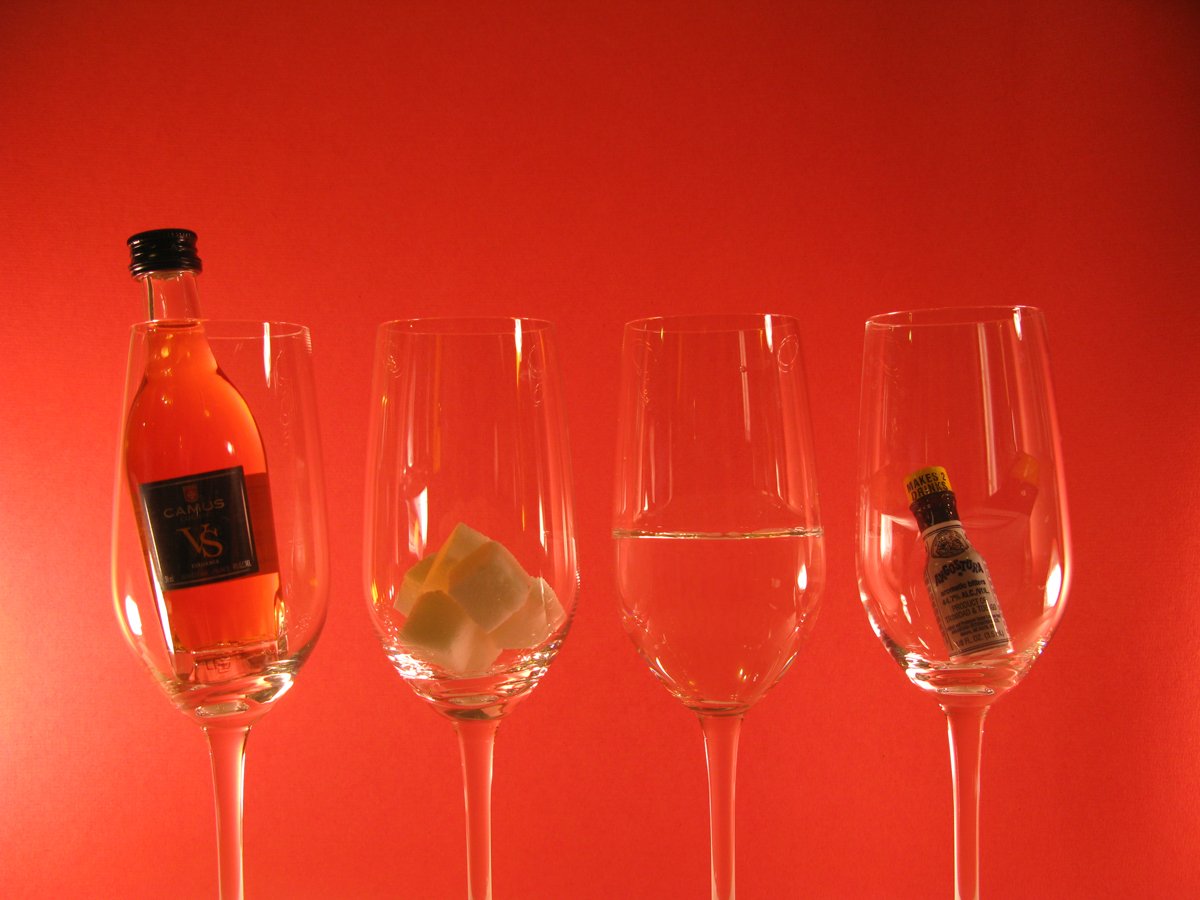
In my latest post for FineCooking.com, I touch on Dubonnet and the Dubonnet Cocktail. Dubonnet was invented as an anti-malarial wine. It's useful even if you don't have a mosquito problem.
Blog
-
Sherry Bodega Visit: Bodegas Lustau
In September 2010 I visited several sherry bodegas. Here are pictures and a few notes from Bodegas Lustao.
(Barrels in the Lustau bodega.)
(The vinegar aging room smelled heavenly. I'd love to go back and just study vinegar.)
(These new casks are being prepared for Jameson Irish whisky that is aged in ex-sherry casks. These casks were not part of the solera system- just the wine in them. They hold sherry that absorbs into the wood. The sherry is then distilled and not used for sherry.)(At lunch afterward, we drank Lustao sherry and had Lustao Vinagre de Jerez on a few dishes.)
- Albero soil used in bodegas is same as used in bullfighting rings
- It took two and a half years to move the bodega from one place to another
- Only company to have sherry aged in Jerez, Puerto, and Sanlucar
- The vinegar solera smells delicious!
- Brandy bodega smells like buttered popcorn
- Casks for Jamesons made here with their oloroso
- Fino bodegas must have higher ceilings, cooler temps, more humid
- Different vineyards produce grapes better for fino, amontillado, oloroso sherries
-
Tequila Distillery Visit: Patron
In November I visited seven tequila distilleries in Mexico. Here are some pictures and notes from my visit to the Patron distillery in the town of Atotonilco.
(The distillery is on a huge plot of land. It's a huge distillery. This is the front gate.)
(This is the hacienda, which is the center of the distillery. Nice place.)
(This is agave going in to the rollermill. Patron is 50% rollermill agave and 50% tahona agave.)
(Fermenting tahona agave. Tahona agave ferments and is distilled with the fibers.)
(Outside the distillery they prepare the spent agave to be fertilizer.)
(They use a mix of barrels for Patron.)- The distillery is actually 12 distilleries operating independently.
- Most of the agave comes from the highlands
- They recycle the first agave juice out of the ovens, don't use it for fermentation
- Ferment in pine wood, not stainless
- Have unusual stills designed by master distiller
- Tahona agave takes 2 hours to crush
- Patron silver is 75% of sales, reposado accounts for 10 percent and anejo accounts for 15
-
Sherry Bodega Visit: Bodegas Gonzalez Byass
In September 2010 I visited several sherry bodegas. Here are pictures and a few notes from Bodegas Gonzalez Byass.
(The grounds of the bodega have grape vines covering the streets to provide shade.)
(A train takes people on a tour around the bodega.)
(One of the rooms for special events.)
(Some Tio Pepe out of the cask. You can see the flor broken up in the glass.)- Make Tio Pepe
- Over 200,000 visitors per year to bodega
- Tio Pepe grapes are and will always be collected by hand, not machine
- Higher vineyards considered better – get more of the wet wind
- Theyre one of the only companies to grow PX in Jerez. Others buy it from Cordoba
- Have a big catalogue of vintage-dated sherries- Anadas
- Corks are loose on sherry barrels to let air in, but most air freshness comes from when you change the levels of the sherry in the solera
- The El Duque brand starts as Tio Pepe fino, aged longer
- The higher the percentage of alcohol, the more lignin it absorbs from the wood.
- Nuttiness comes from the grapes. Coconut comes from the wood.
- Palo Cortado- probably started back in the day when they couldn’t accurately meauser alcohol percentage, so they put too much in the fino and killed it
-
Back In My Day, It Was Called A New-Fashioned
In my latest post for FineCooking.com, I cover the history of the cocktail- the original one. I'm sure you've heard of it: spirit, sugar, water, bitters.
-
Tequila Distillery Visit: Don Julio
In November I visited seven tequila distilleries in Mexico. Here are some pictures and notes from my visit to the Don Julio distillery in the town of Atotonilco.
(Cutting up the pinas before baking.)
(Now when I see pinas, I get thirsty.)
(We had a cocktail contest after the distillery visit. My team of writers won, of course.)- Don Julio uses all estate-grown agaves
- Has a widerspacing between agaves than average
- They have 18 furnaces, each of which holds 25 tons
- Fermentation takes 24-30 hours
- Their agave is larger than industry standards, with a higher sugar content
- Inside the stainless steel stills is a copper coil
-
Sherry Bodega Visit: Bodegas Williams & Humbert
In September 2010 I visited several sherry bodegas. Here are pictures and a few notes from Bodegas Williams & Humbert.
(The bodega is absolutely enormous.)
(There's a horse show inside the bodega for visitors.)
(For barrel tasting, the venenciador (in this case, the chief oenologist) inserts the venencia into the barrel to pull out a cup of liquid, then pours above a glass to aerate.)
(From a high perch in the bodega, you can see nearly the whole thing. Center in the picture is a tour group.)- They make Dry Sack – actually a medium sweetness sherry
- Huge tourist visitor center- enter through the bodega and go to the horse show
- Brandy de Jerez is very popular in the Philippines
- Bowmore 1964 was aged in their casks
- Macallan new casks prepared here
- New wood with aged sherry added to them
- The sherry is not sold afterward- too woody
- Fino was first developed in an industrial way in the 1920’s and 30’s
- Dry sack is the top selling medium sweet sherry in the world.
- Tio Pepe is top selling fino. (Not made here.)
- Harvey’s Bristol Cream is the top cream. (Not made here.)
- Dry sack is blended with PX right at the beginning before it enters the solera system
- 15 year oloroso is very yummy.
- I also liked Gran Dulque de Alba XO
- They make the Dos Maderas rums
- Liked the VORS amontillado, VOS Palo Cortado
-
Spicy Mary
A bunch of years ago I tried to sell a book on infusions, because there weren't any at the time. In some ways I'm glad it didn't sell, because my cocktail knowledge and abilities are so much better now that I would have been embarrassed by many of the cocktail recipes you were supposed to use after the infusions were done. But I did do enough recipe development that I learned the timing for a lot of infusions. In my latest post for FineCooking.com, I list the quantities of spicy things like pepperonchini, peppercorn, chili peppers, and horseradish to make a 1-day infusion.
Then you can add those to tomorrow's Bloody Mary.
When I was working on the book, I had all the different infusions sitting around and decided to dump them all into the drink at the same time. It was pretty amazing how you could clearly taste each infusion separately, rather than them being all muddled together into one new flavor.
-
The Martini Does Not Exist
The word 'Martini' has very little meaning.
Two versions of the cocktail may have completely different ingredients and be served in different formats: A bone-dry-and-dirty Grey Goose Martini on the rocks with extra olives has nothing in common with a Fifty-Fifty gin Martini with orange bitters and a twist. They're not even close to the same drink – in ingredients, in format, or in purpose.
More than that, the Martini no longer exists even as a drink concept. It means different things to different people: strength, dryness, elegance, simplicity, an aperitif, glassware, crispness, an era in time, an intellectual challenge, etc.. Some of its concepts are mutually exclusive.
This conundrum surfaced when in New Zealand last year for the 42Below Vodka Cocktail World Cup, in which they had a Modern Martini challenge. The problem was that nobody agreed on what the Martini was, so everyone updated it in a different way. Most of those ways differed from the judges' concept of the drink.
The Martini is as amorphous a concept as morality.
In this Sunday's Los Angeles Times Magazine, I wrote a story about how the Martini Does Not Exist, except in the mind of the individual.
I'm pretty happy with how it came out. After going through the issues involved with the concept of the drink (and revealing how that cocktail contest turned out), the story lists the Martini recipe as a moving target throughout the years.
Please give it a read.
-
Tequila Distillery Visit: Sauza
In November I visited seven tequila distilleries in Mexico. Here are some pictures and notes from my visit to the Sauza distillery in the town of Tequila.
(First we visited the agave nursery. Sauza is unique in that they propagate their agave not by using baby plants but by… fancier scientific means.)
(This is what an agave looks like if allowed to propagate.)
(You can see close-up that instead of producing seeds, the mother plant produces little baby plants.)
(We had a lecture about plant propagation.)
(I just like this picture from the distillery.)
(This is the diffuser. Super clean at Sauza.)- The blue color of agave comes from a wax on the plant. This wax covers the pores of the plant to protect it from drying out in the dry season.
- Unlike most tequila distilleries, at Sauza they shred agave and use the diffuser before they cook the agave juice in autoclaves.
- Then they only cook the juice for 3-4 hours.
- They ferment in covered fermentation tanks
- The first distillation is in a column still, second in a stainless steel pot still
- The Tres Generaciones line has a third distillation in a copper pot still
agave alcademics Angostura bartenders bitters bodega bourbon bowmore Campari Camper English chartreuse clear clear ice cocktail cocktail powder cocktails cognac curacao dehydrated dehydrated liqueurs dehydration directional freezing distillery distillery tour distillery visit france freezing objects in ice hakushu harvest history how to make clear ice ice ice balls ice carving ice cubes ice experiments isle of jura jerez liqueur makepage making clear ice mexico midori molasses orange orange liqueur penthouse pisco potato powder production recipe Recipes rum san francisco scotch scotch whisky sherry spain spirits sugar sugarcane sweden tales of the cocktail tequila tour triple sec visit vodka whiskey whisky